Image
Embroidered Travel Patch Comparison Poster
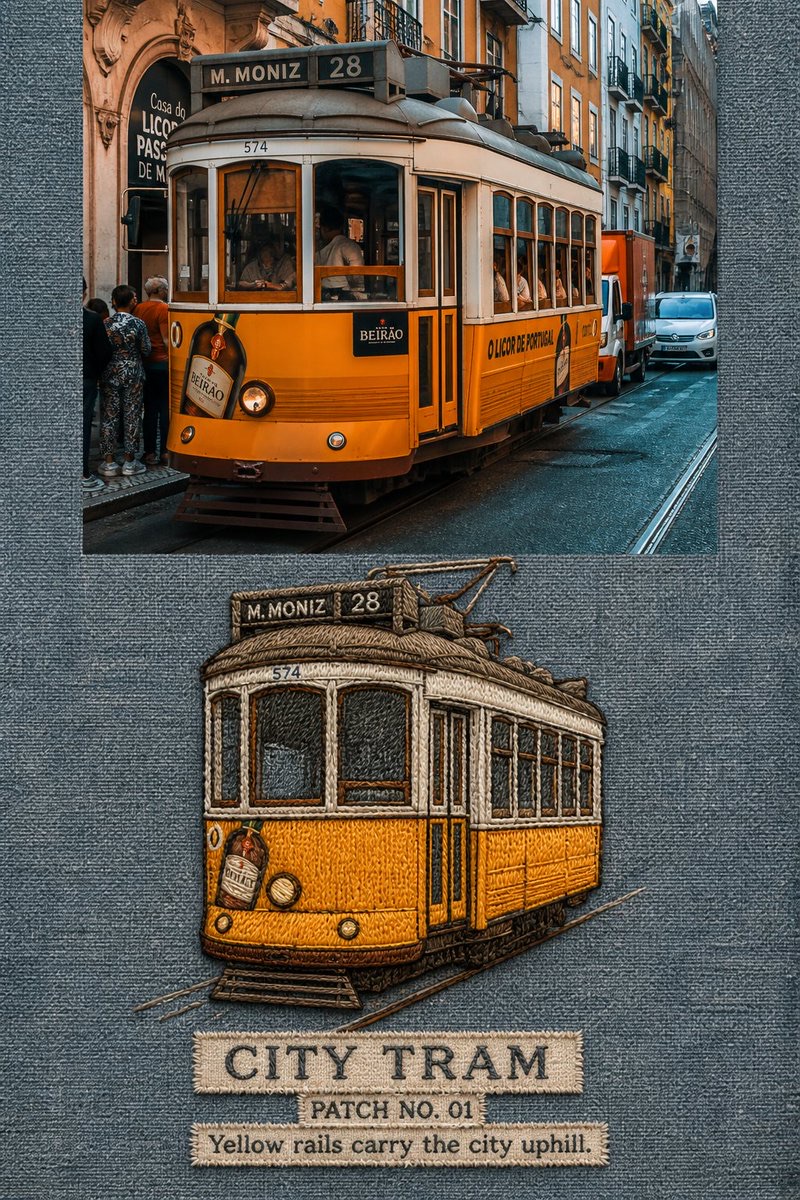
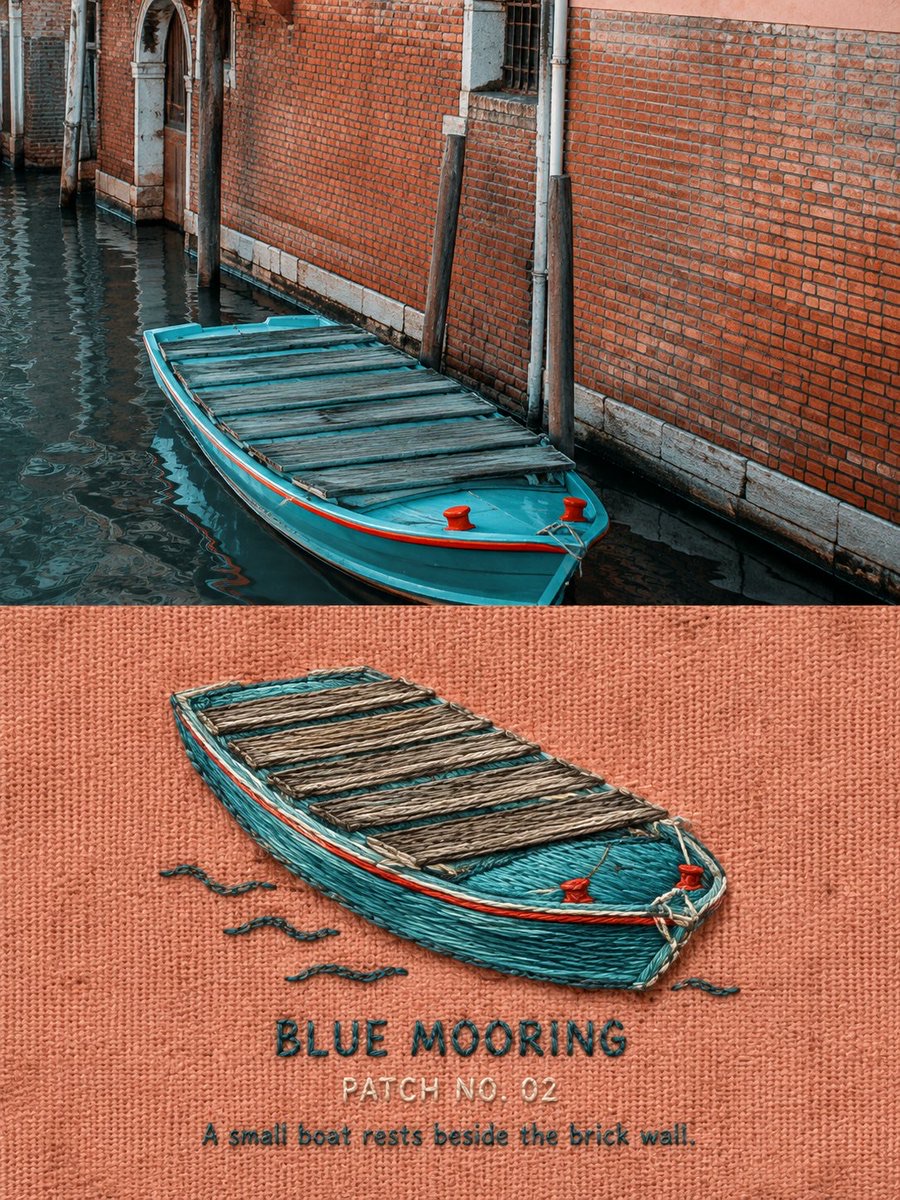
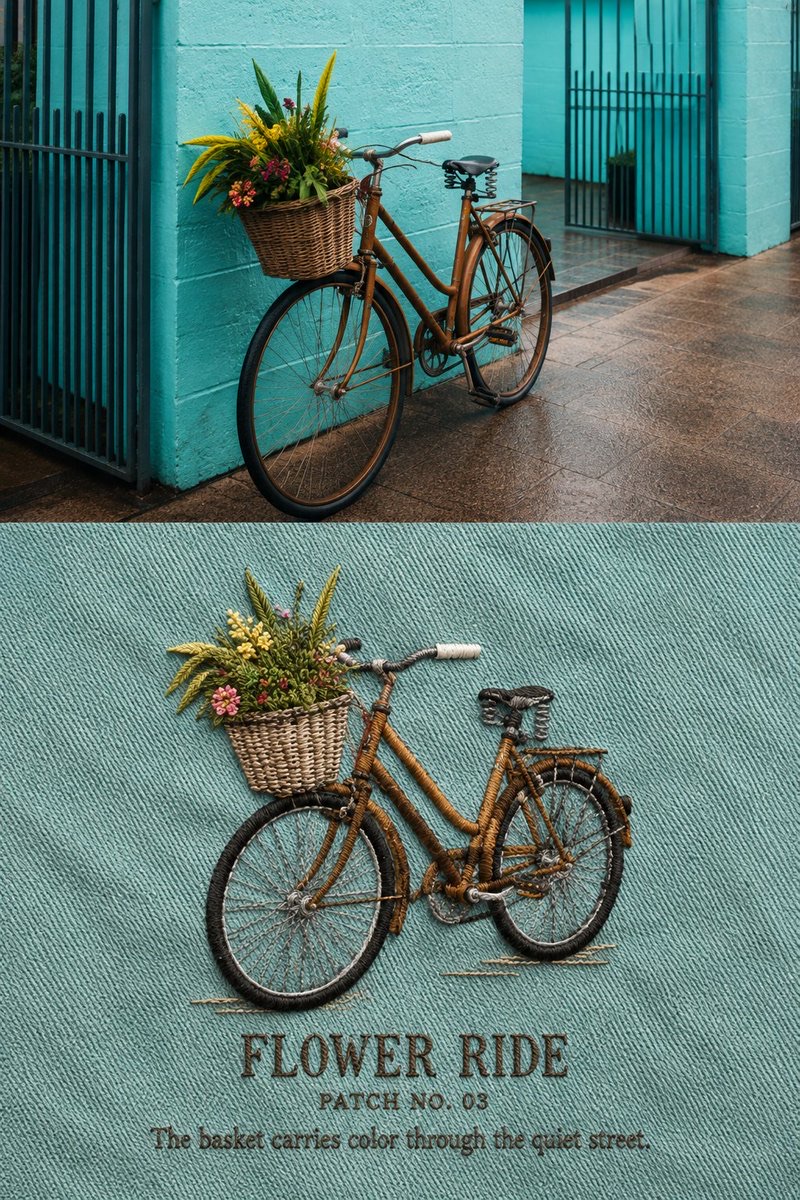
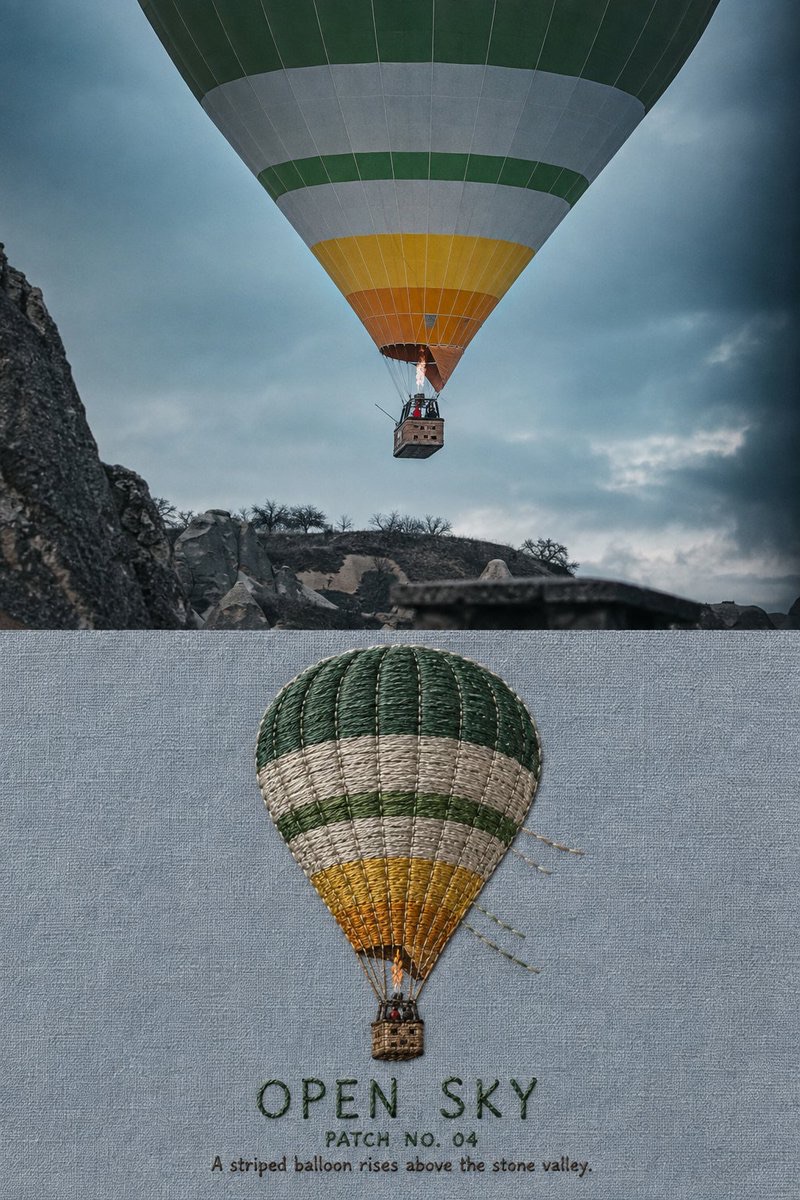
Lay out each travel photo as a collectible travel patch poster in 3:4 format, with the real photo on top and a single embroidered subject below.
 蛋黄堡@Hamburgerai
Prompt
Please make each travel photo I upload into a separate premium editorial poster in the “Embroidered Travel Patch” style. Do not combine multiple photos into a collage; output each photo on its own.

Overall, use a vertical 3:4 original-versus-embroidery comparison layout. The upper half keeps a clear, substantial original photo; the lower half presents a single embroidered travel subject extracted from that same photo. The upper and lower sections each take roughly 50% of the area. They may be adjusted slightly to suit the photo's proportions, but the original-photo comparison must not be removed.

The upper half must faithfully preserve the subject's identity, quantity, pose, structure, viewing angle, environmental relationships, real materials, natural light and shadow, and original colors from the photo, with only slight travel-magazine and art-publication color grading. The upper half must remain a real photograph. It must not become illustrated, replace the scene, add or remove subjects, or change the structure of buildings or vehicles.

If the photo's proportions do not suit a horizontal area, keep it centered at its own proportions and fill the sides with solid-color side panels in the lower half's fabric base color. Do not stretch, mirror, or use a blurred photo to fill the edges.

Do not embroider the entire photo in the lower half. Select only one core subject from the photo that is the most recognizable and has the clearest outline, such as a tram, a boat, a bicycle, a hot air balloon, an animal, a person in a clear action, or a travel object.

Retain the outer contour, orientation, pose, key structure and iconic color blocks that define the subject's identity. Remove buildings, streets, sky, water, mountains, trees and other complex background.

The subject uses a reduced, distilled or single-object display composition, occupying roughly 28%—52% of the lower area's width and roughly 30%—50% of its height, usually placed in the middle or lower-middle. Keep a continuous, complete, fragment-free empty fabric space of roughly 45%—65% around it.

You may add 2—5 short stitches to suggest tracks, water ripples, wind direction, ground or direction of motion, but they must not develop into a full background or introduce a second visual subject.

The lower-half background is one whole, real visible twill, old canvas, coarse cotton or linen. The fabric base color must be extracted from the original photo and adapt to each photo, such as grey-blue, terracotta pink, teal-green, smoky blue-grey, warm beige or other low-saturation colors. Do not use the same off-white fabric for every photo.

Use realistic satin stitch, split stitch, chain stitch, back stitch and a few loose threads to form the subject. Stitch direction must change to follow the subject's volume, structure and motion: metal, wood, clothing, animal fur, wheels, hull, balloon envelopes or plants require threads of different directions, lengths and pile heights.

Locally allow raised thread, slightly uneven stitches, edge misalignment, exposed fabric, loose threads, thread ends and fabric wrinkles, so that it looks like real handmade embroidery sewn onto cloth rather than a printed illustration or digital filter.

Extract 4—8 thread colors from each original photo, preserving the subject's most recognizable color relationships, then moderately simplify and soften them. Do not use fixed rainbow threads, neon gradients or high-saturation clashing colors unrelated to the photo.

The text is concentrated below the embroidered subject, using low-pile chain stitches, small woven labels or fabric-embroidered lettering. By default it includes a title of 1—3 English words, a “PATCH NO. 01”-style field, and a short observation sentence of 5—10 English words.

The text content is distilled from the subject, action or state actually visible in the photo. It must be clearly legible and restrained in quantity, must not obscure the subject, and must not generate fake place names, author names, brands, logos, URLs or gibberish.

Overall it presents a quiet, warm travel-patch look with handmade warmth and collectible character. The real photo keeps the full scene, while the embroidered area retains only the single most memorable subject, like a mark taken from the journey that can be sewn onto clothing, a fabric bag or luggage.

Avoid fully embroidered landscapes, fully embroidered backgrounds, photo-identical compositions with the material swapped, printed stickers, flat vector mascots, thick felt collage, photos pasted onto fabric, knitted toys, embroidery hoop mockups, extra people or animals, fashion brand logos, author signatures, watermarks and cheap template feel.
请将我上传的每一张旅行照片分别制作成一张独立的“刺绣旅行布贴”高级编辑海报,不多图拼接,每张照片单独输出。
整体采用3:4竖版原图对比构图。上半部分保留清楚、具有实质面积的原始照片,下半部分呈现从同一张照片中提取出的单个刺绣旅行主体。上下通常各占约50%,可以根据照片比例轻微调整,但不得取消原图对比。
上半部分高保真保留照片中的主体身份、数量、姿态、结构、观察角度、环境关系、真实材质、自然光影和原有色彩,仅进行轻微的旅行杂志与艺术出版物调色。上半必须继续是一张真实摄影作品,不得插画化、替换场景、增删主体或改变建筑与交通工具结构。
原图比例不适合横向区域时,应居中保留自身比例,并使用下半织物底色的纯色侧栏补齐,不拉伸、不镜像、不使用模糊照片填边。
下半部分不要把整张照片完整刺绣出来。只选择照片中最有识别度、轮廓最清楚的一个核心主体,例如一辆电车、一只船、一辆自行车、一个热气球、一只动物、一名动作明确的人物或一个旅行物件。
保留决定主体身份的外轮廓、朝向、姿态、关键结构和标志性色块,删除建筑群、街道、天空、水面、山体、树木和其他复杂背景。
主体采用缩小提炼或单体陈列构图,占下半区域宽度约28%—52%、高度约30%—50%,通常放在中部或中下部。周围保留约45%—65%连续、完整、没有碎片装饰的织物空场。
可以加入2—5条短小针脚,暗示轨道、水波、风向、地面或动作方向,但不得发展成完整背景,也不得出现第二视觉主体。
下半背景是一整块真实可见的斜纹布、旧帆布、粗棉或亚麻。织物底色必须从原照片提取并根据每张照片自适应变化,例如灰蓝、赤陶粉、青绿、烟蓝灰、暖米色或其他低饱和颜色,不要为所有照片固定使用同一种米白布。
使用真实的缎面绣、劈针、锁链针、回针和少量松线构成主体。针脚方向必须跟随主体体块、结构和动作发生变化:金属、木材、衣服、动物毛色、车轮、船身、球囊或植物,需要使用不同方向、长度和绒高的绣线表现。
局部允许绣线堆高、针脚轻微不齐、边缘错位、露底、松线、线头和布面起皱,使它像真正缝在布面上的手工刺绣,而不是印刷插画或数字滤镜。
每张作品从原照片提取4—8种绣线颜色,保留主体最有辨识度的色彩关系,再适度归纳和柔化。不得使用与照片无关的固定彩虹线、霓虹渐变或高饱和撞色。
文字集中在刺绣主体下方,使用较低绒高的链式针脚、小型织标或布面刺绣字。默认包含一个1—3个英文单词的标题、一个“PATCH NO. 01”式字段和一句5—10个英文单词的简短观察句。
文字内容根据照片中真实可见的主体、动作或状态提炼,必须清楚可读、数量克制,不遮挡主体,不生成假地名、作者名、品牌、Logo、网址或乱码。
整体呈现安静、温暖、具有手工温度和收藏感的旅行布贴视觉。真实照片负责保存完整场景,刺绣区域只留下最值得记住的一个主体,像从旅途中取下一枚可以缝在衣服、布袋或行李上的记号。
避免整幅风景全部刺绣、完整背景刺绣、照片同构图换材质、印刷贴纸、平面矢量吉祥物、厚毛毡拼贴、照片粘贴在布上、针织玩具、刺绣圈Mockup、额外人物或动物、时尚品牌标志、作者签名、水印和廉价模板感。
How to use
Usage tip: Upload one travel photo at a time and ask the model to keep the real scene in the upper half and extract one most recognizable subject from it for the embroidery area. After generation, check the subject identity, stitch direction, text legibility and fabric base color.
Details
More from 蛋黄堡
-
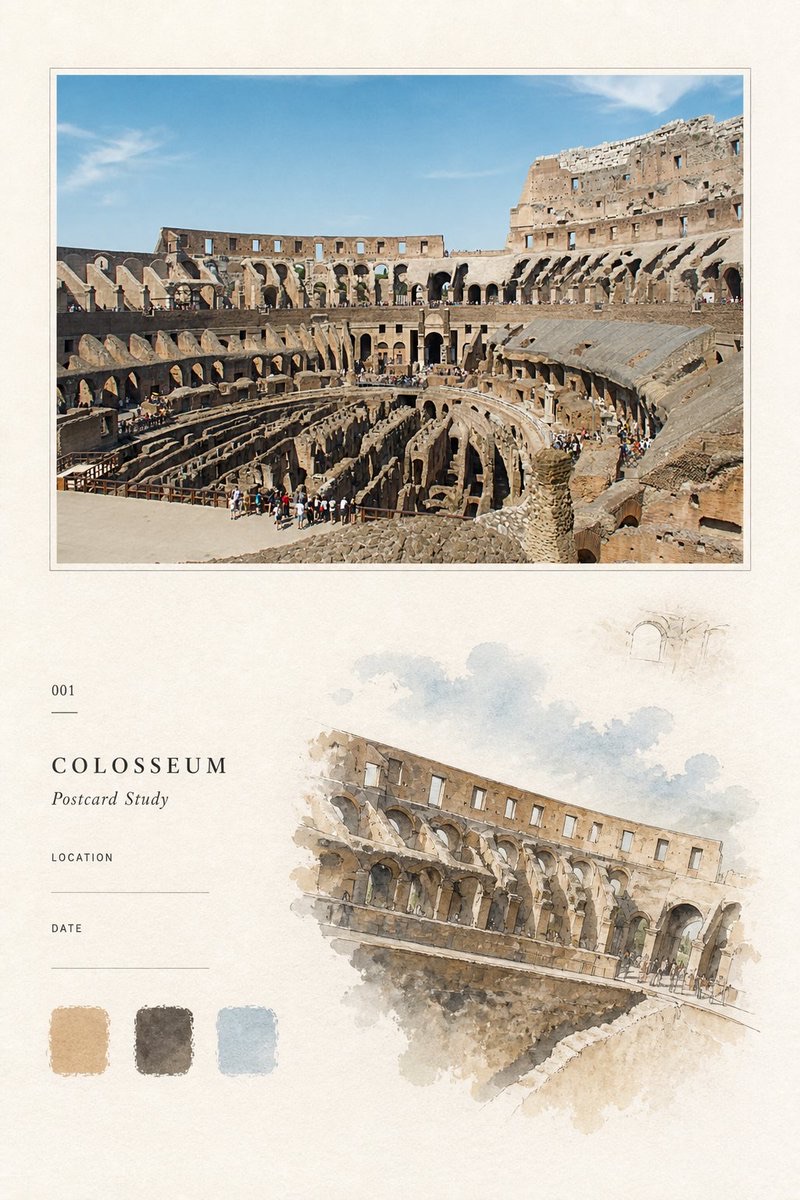
Travel Palette Watercolor Study Poster
-
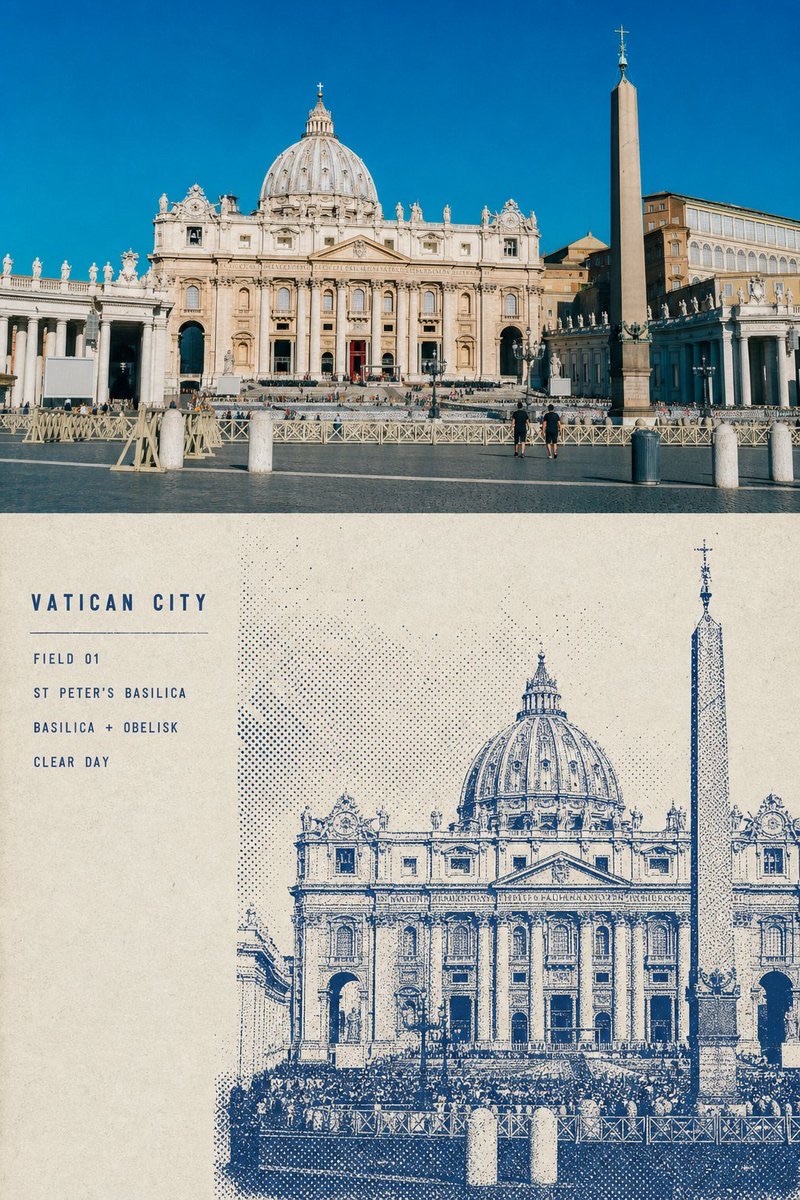
Blue Halftone City Archive
-
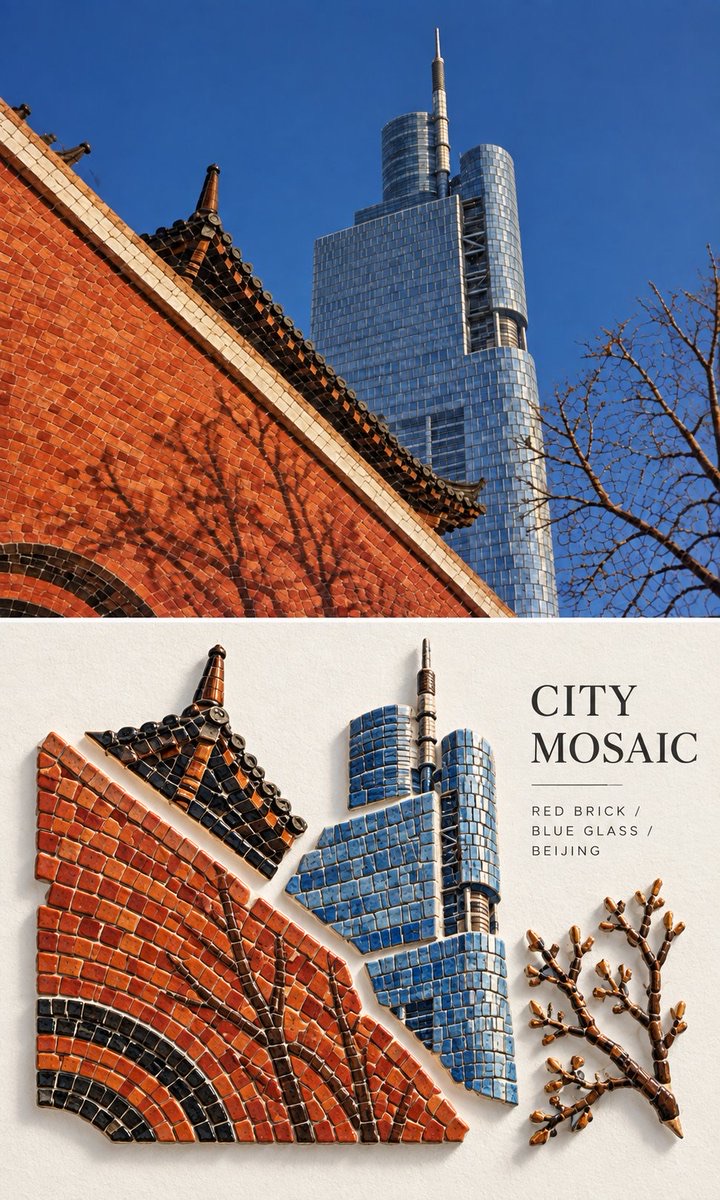
Travel Photo to Glazed Mosaic Relief Poster
-
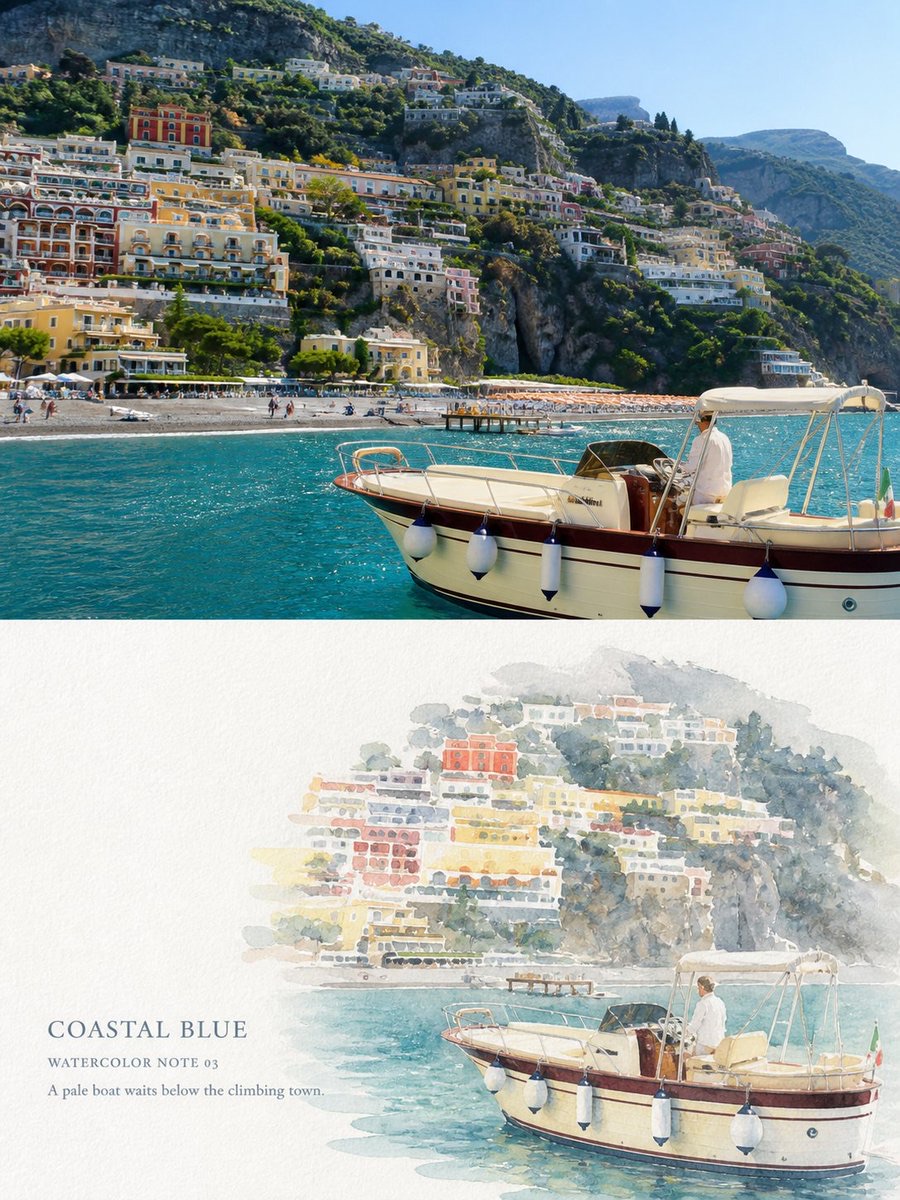
Clear White-Paper Travel Watercolor Editorial Poster
-
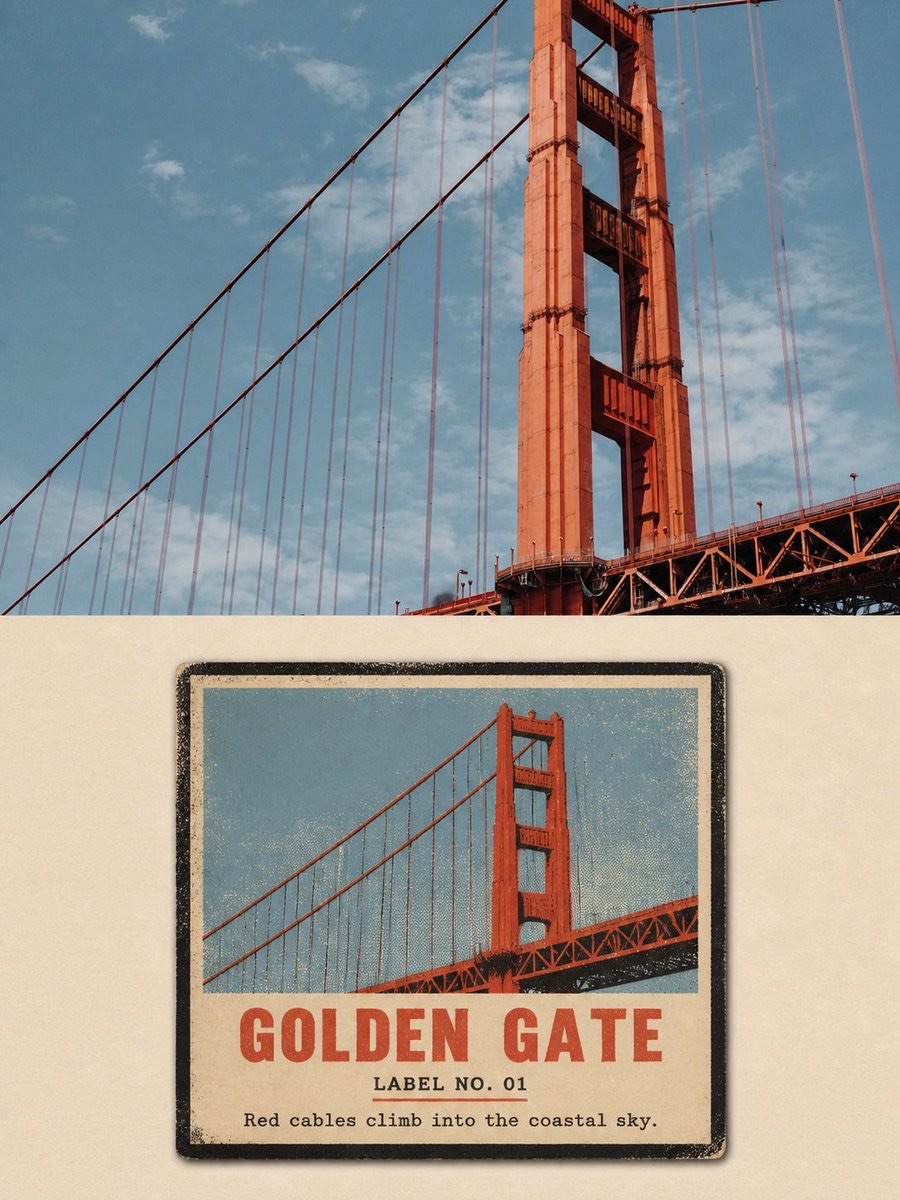
Vintage Matchbox Travel Label Poster
-
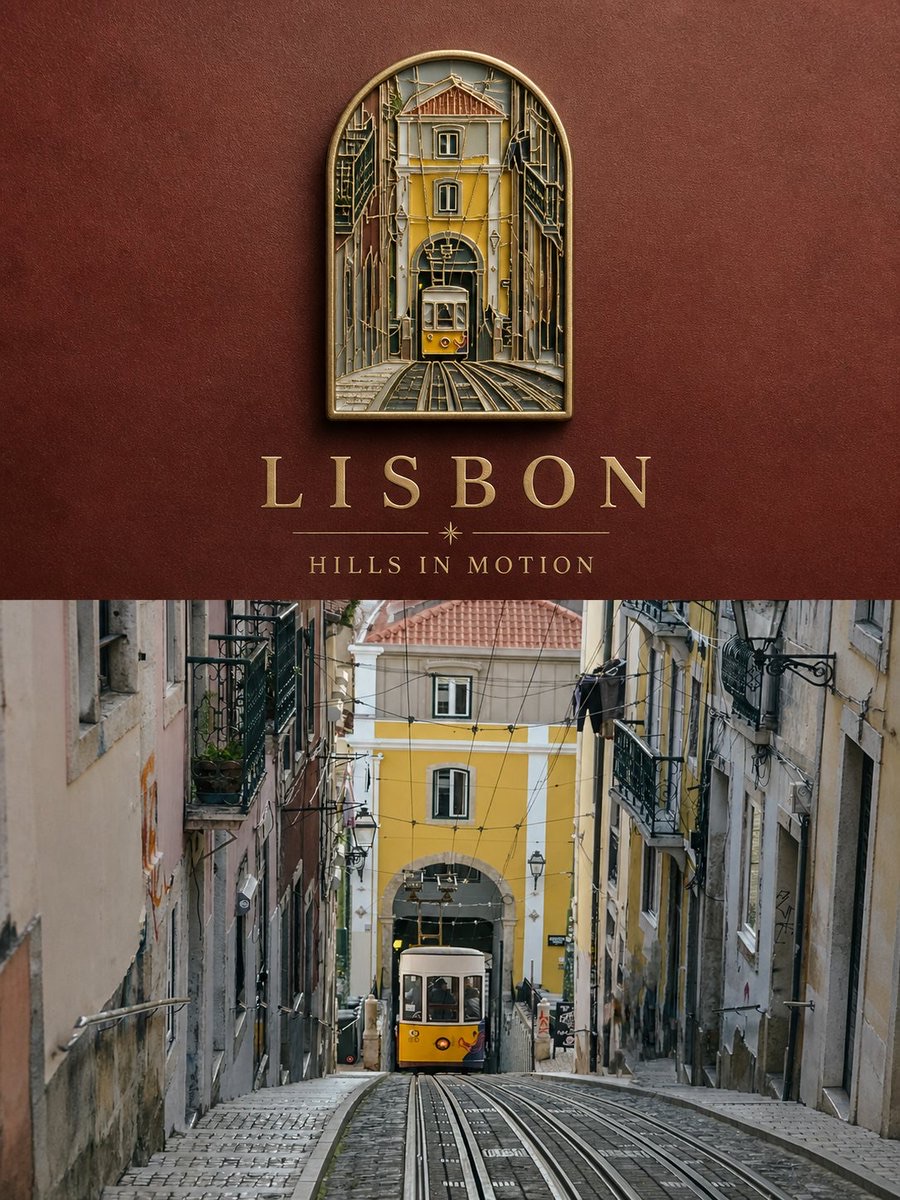
Travel Enamel Fridge Magnet Souvenir Poster
-
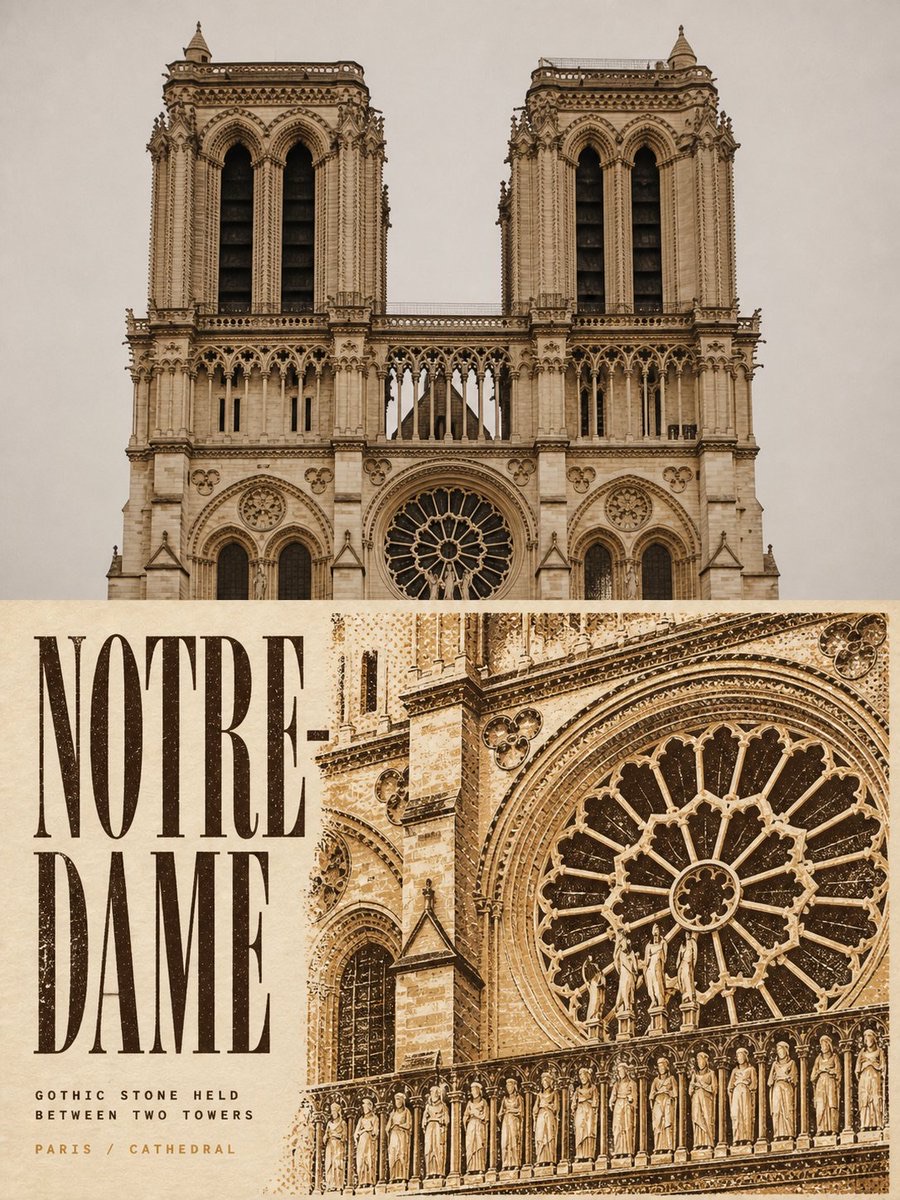
Two-Color Cultural Landmark Editorial Poster
-
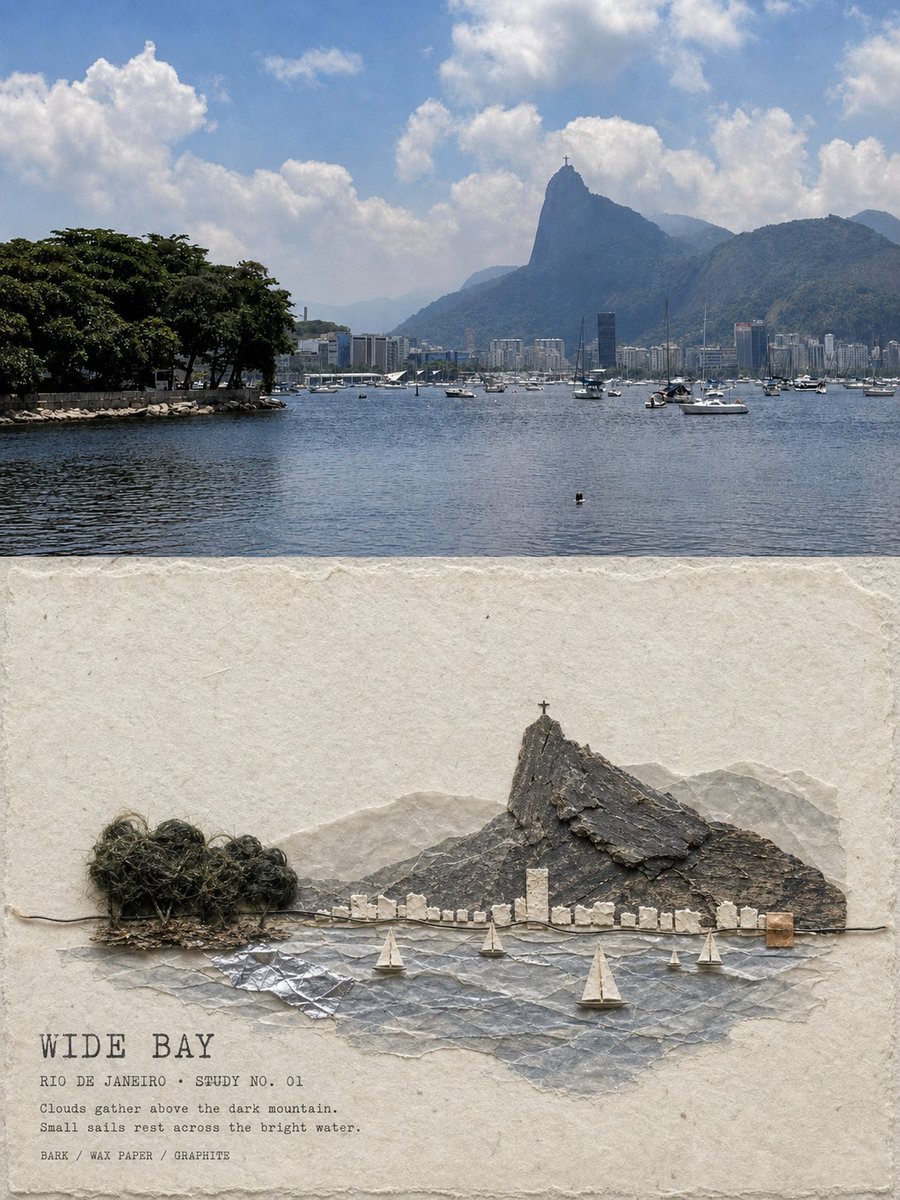
Material Assemblage Contrast Poster from a Travel Photo