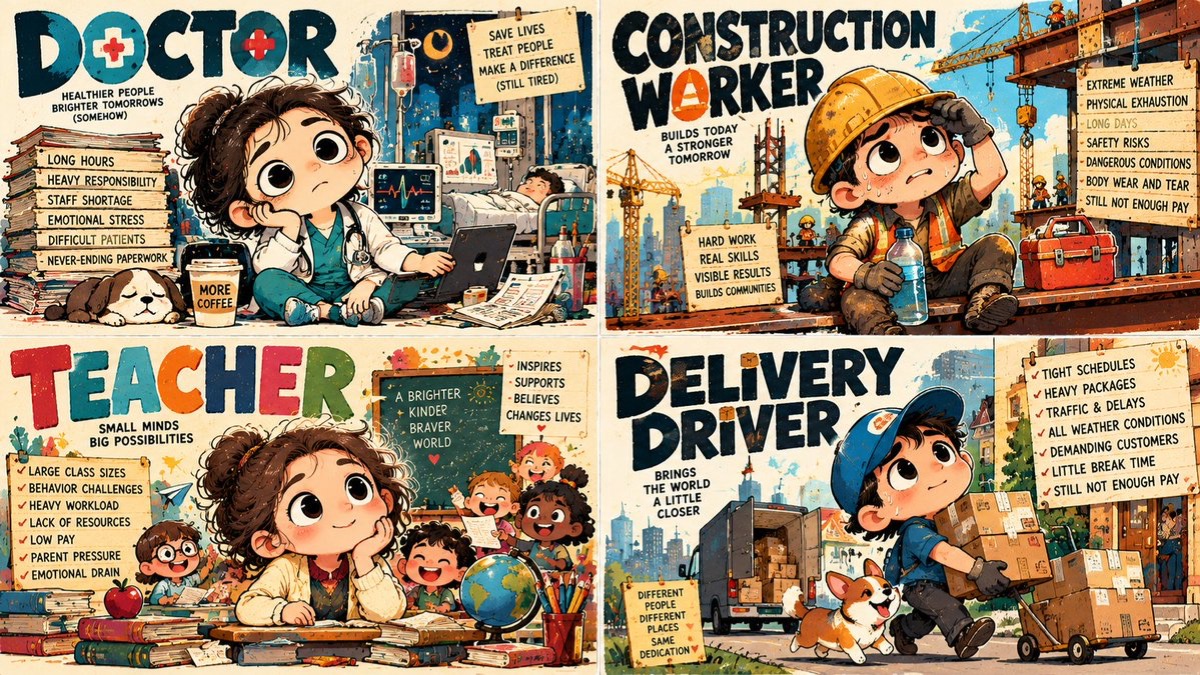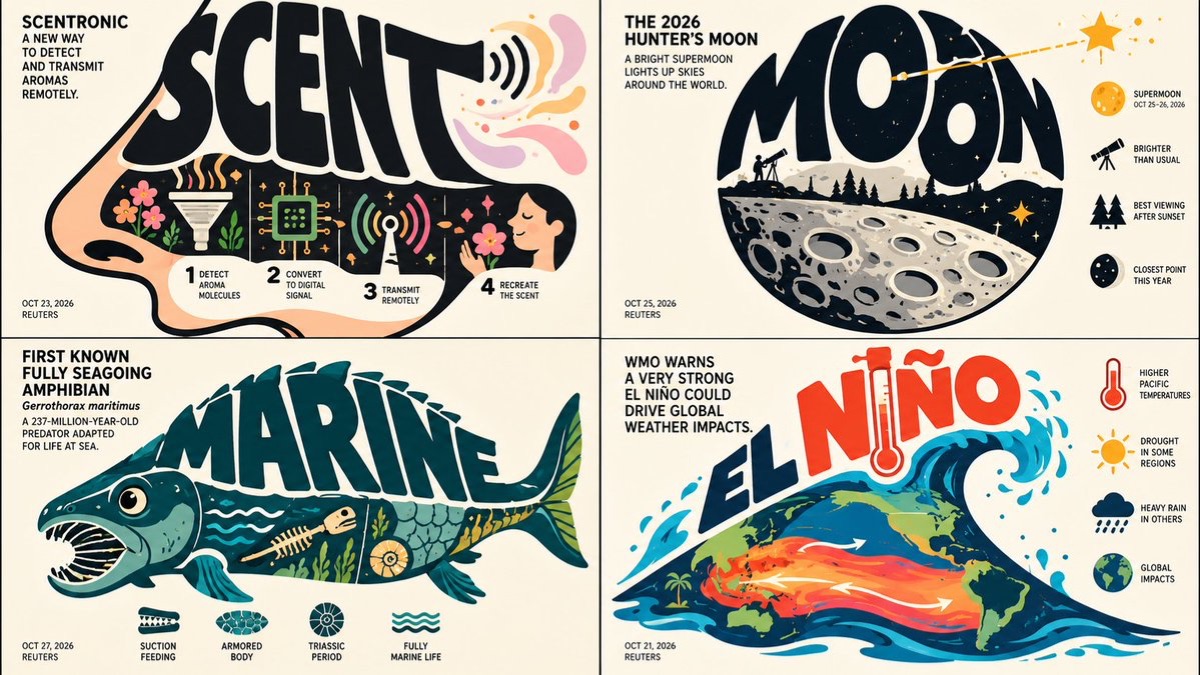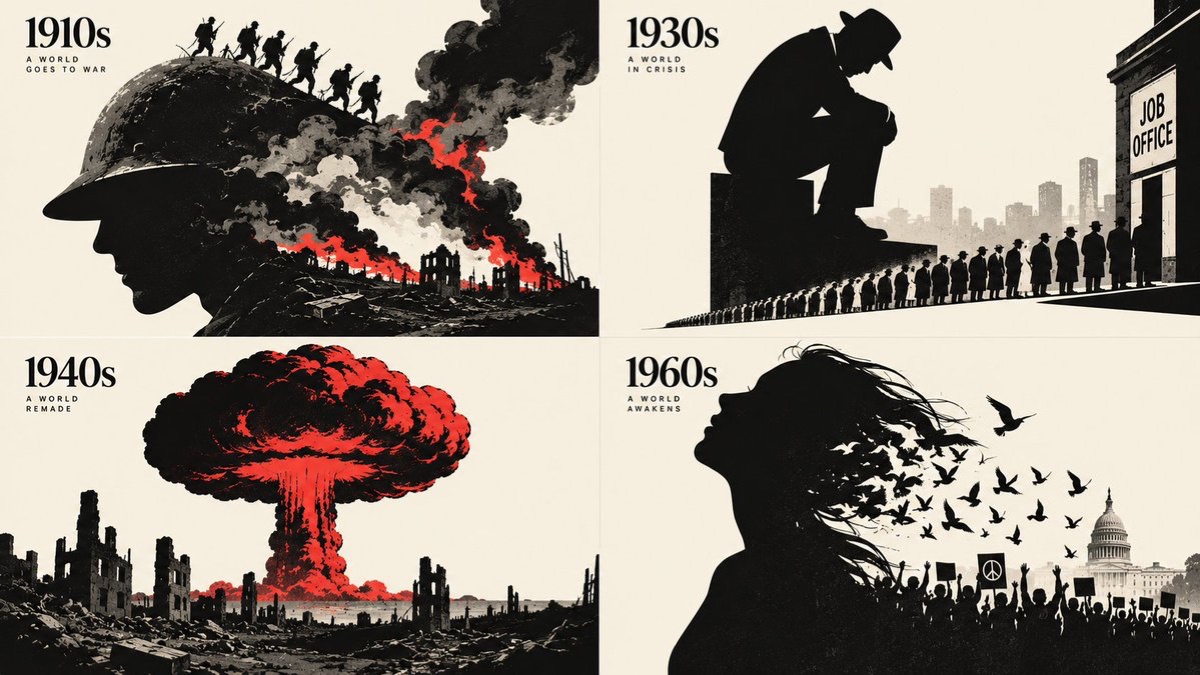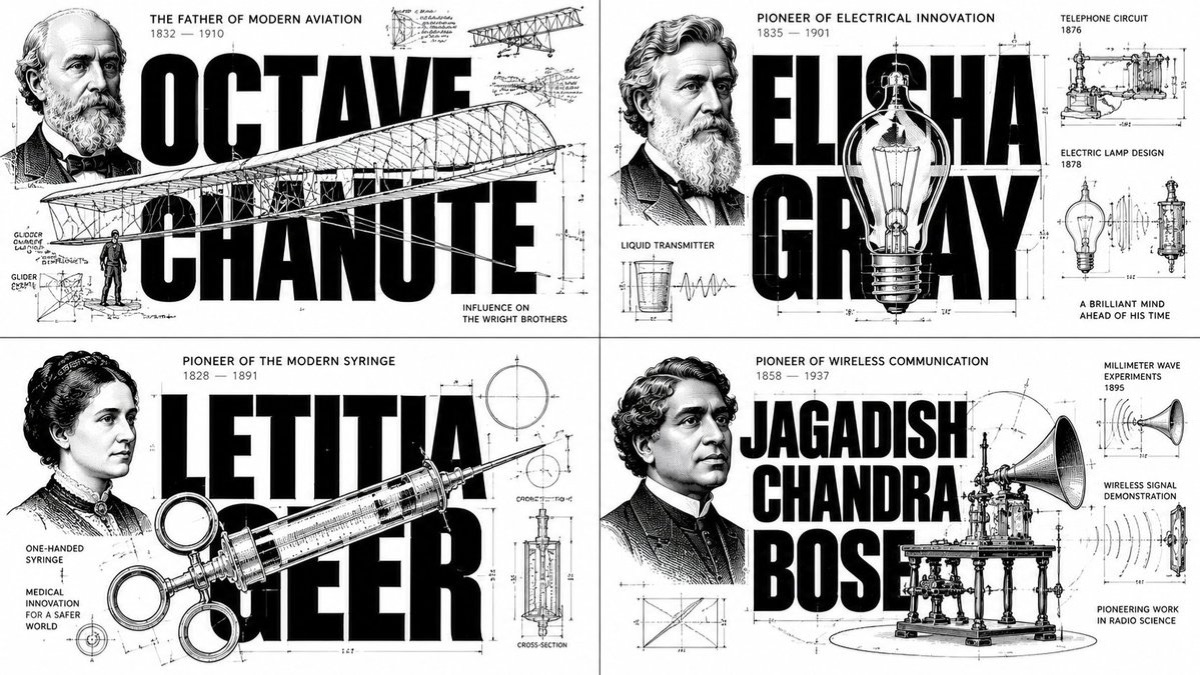
Image
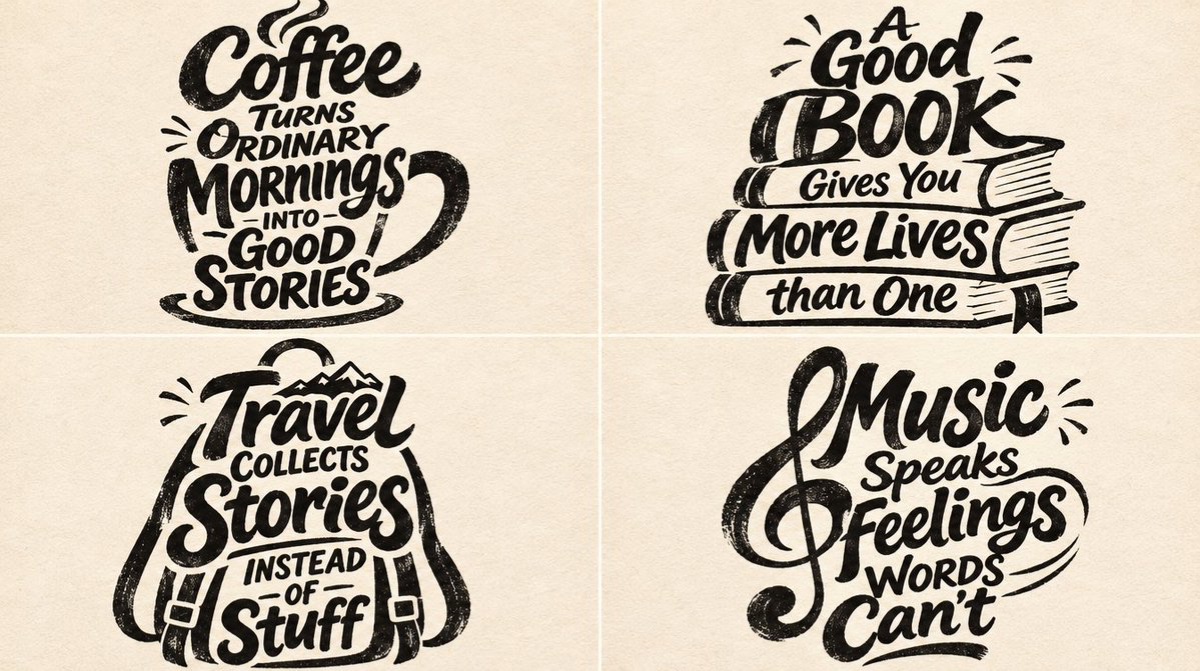
Themed Hand-Lettered Poster
Automatically create a short line based on the theme, then incorporate the theme's characteristics into bold, hand-drawn lettering to create a black-ink-on-paper poster.
 Gadgetify@Gdgtify
Prompt
2x2 grid, 16:9, AI selects topics: INPUT: [SUBJECT]

Create a visually inventive hand-lettered quote poster about [SUBJECT].

First, analyze the subject and infer:

its core visual identity
emotional personality
most recognizable shapes and silhouettes
distinctive features
common behaviors or characteristics
cultural associations
witty, insightful, or memorable observations connected to it

Then generate an original short quote about [SUBJECT].

The quote should be approximately 5–12 words and may be:

affectionate
witty
philosophical
sarcastic
inspirational
whimsical

The wording must feel natural, memorable, and specifically connected to the subject.

Avoid generic motivational phrases.

Typographic Structure

Break the quote into approximately 3–6 meaningful phrase groups.

For each phrase, determine:

emotional importance
visual importance
appropriate letterform shape
semantic role within the statement

Important words should become larger and more visually dominant.

Connecting words should remain smaller.

Arrange everything into one tightly integrated typographic composition with a distinctive visual rhythm.

Do not simply typeset ordinary centered text.

Turn Typography Into the Subject

Draw the entire quote using custom handmade lettering.

Use:

heavy strokes
organic brush forms
controlled irregularity
imperfect edges
compressed spacing
expressive handmade geometry

Transform selected parts of the letters into recognizable features derived from [SUBJECT].

Possible transformations include:

an ascender becoming an elongated subject-specific feature
a terminal becoming an expressive extension
a curved stroke following a recognizable natural contour
a flourish becoming a characteristic motion
a letter counter becoming a distinctive opening or void
a group of letters combining into a recognizable mass or silhouette

Only use transformations that genuinely relate to the subject.

The lettering should suggest the subject without sacrificing readability.

Subject-Specific Features

Rank the subject's distinctive features according to how strongly they support recognition.

Select only 1–3 dominant features.

Integrate those features directly into the letterforms.

Rules:

the features must appear to grow naturally from the typography
extensions must feel intentionally designed
the subject should remain recognizable
quote readability always comes first

For abstract subjects, use conceptual symbols, motion patterns, forces, or gestures instead of literal physical anatomy.

Do not automatically use ears, whiskers, tails, or other animal features unless they genuinely belong to the subject.

Match the Lettering Personality to the Subject

Adapt the handmade lettering style to the emotional character of [SUBJECT].

If the subject feels playful:

Use:

bouncing baselines
rounded terminals
energetic irregularity

If the subject feels elegant:

Use:

flowing calligraphic strokes
elongated flourishes
graceful proportions

If the subject feels powerful:

Use:

compressed heavy capitals
strong vertical forms
dramatic scale changes

If the subject feels mysterious:

Use:

flowing irregular silhouettes
unusual negative space
subtle asymmetry

If the subject feels technical:

Use:

structured hand-drawn geometry
disciplined letter construction
controlled precision

Otherwise, infer another coherent expressive style that fits the subject.

All lettering must belong to one consistent handmade visual family.

Symbolic Accents

Add only minimal subject-derived decorative gestures.

Possible accents include:

expressive side flourishes
one or two characteristic contours
a thematic underline
an organic stroke extension
small symbolic cutouts

Every accent must reinforce meaning.

Do not use:

generic clipart
unrelated decoration
a separate mascot sitting beside the lettering

The subject should emerge from the typography itself.

Composition

Choose a composition shape based on the quote and subject.

Possible overall silhouettes include:

tapered vertical arrangement
compact rectangular stack
asymmetric silhouette
hourglass-shaped composition
organic column
diagonal expressive structure

The layout should be inferred from the subject rather than repeated across every design.

A possible hierarchy is:

Top: visual introduction

Middle: the most important phrase, largest hero word, and strongest subject-specific transformations

Bottom: memorable concluding phrase

All words must remain readable in normal reading order.

Keep generous negative space around the entire typographic composition.

Print and Lettering Style

Use only:

100% black ink

on:

warm white or subtle ivory paper

The lettering should resemble:

hand-painted brush typography
imperfect thick strokes
slightly uneven letter widths
organic counters
custom ligatures
expressive swashes

Add subtle physical print texture:

dry-brush grain
occasional small areas of ink loss
visible fine paper fibers
restrained analog print imperfections

Avoid:

3D effects
gradients
photographic lighting
polished digital perfection

Final Result

Create an original hand-lettered quote poster where [SUBJECT] influences both the message and the physical structure of the typography.

The design should feel like:

handcrafted typography
× semantic silhouette
× clever visual quote
× minimalist printmaking
The finished artwork must achieve:
high quote relevance
high text accuracy

strong visual integration

strong subject recognition
low decorative noise
Avoid:
generic quotes
default animal anatomy

ordinary font stacks

separate decorative illustrations
excessive ornament
illegible lettering
The final poster should feel as though the meaning of the subject has physically reshaped the typography itself.
2x2 grid, 16:9, Ai picks topics: INPUT: [SUBJECT]
Create a visually inventive hand-lettered quote poster about [SUBJECT].
First, analyze the subject and infer:
its core visual identity
emotional personality
most recognizable shapes and silhouettes
distinctive features
common behaviors or characteristics
cultural associations
witty, insightful, or memorable observations connected to it
Then generate an original short quote about [SUBJECT].
The quote should be approximately 5–12 words and may be:
affectionate
witty
philosophical
sarcastic
inspirational
whimsical
The wording must feel natural, memorable, and specifically connected to the subject.
Avoid generic motivational phrases.
Typographic Structure
Break the quote into approximately 3–6 meaningful phrase groups.
For each phrase, determine:
emotional importance
visual importance
appropriate letterform shape
semantic role within the statement
Important words should become larger and more visually dominant.
Connecting words should remain smaller.
Arrange everything into one tightly integrated typographic composition with a distinctive visual rhythm.
Do not simply typeset ordinary centered text.
Turn Typography Into the Subject
Draw the entire quote using custom handmade lettering.
Use:
heavy strokes
organic brush forms
controlled irregularity
imperfect edges
compressed spacing
expressive handmade geometry
Transform selected parts of the letters into recognizable features derived from [SUBJECT].
Possible transformations include:
an ascender becoming an elongated subject-specific feature
a terminal becoming an expressive extension
a curved stroke following a recognizable natural contour
a flourish becoming a characteristic motion
a letter counter becoming a distinctive opening or void
a group of letters combining into a recognizable mass or silhouette
Only use transformations that genuinely relate to the subject.
The lettering should suggest the subject without sacrificing readability.
Subject-Specific Features
Rank the subject's distinctive features according to how strongly they support recognition.
Select only 1–3 dominant features.
Integrate those features directly into the letterforms.
Rules:
the features must appear to grow naturally from the typography
extensions must feel intentionally designed
the subject should remain recognizable
quote readability always comes first
For abstract subjects, use conceptual symbols, motion patterns, forces, or gestures instead of literal physical anatomy.
Do not automatically use ears, whiskers, tails, or other animal features unless they genuinely belong to the subject.
Match the Lettering Personality to the Subject
Adapt the handmade lettering style to the emotional character of [SUBJECT].
If the subject feels playful:
Use:
bouncing baselines
rounded terminals
energetic irregularity
If the subject feels elegant:
Use:
flowing calligraphic strokes
elongated flourishes
graceful proportions
If the subject feels powerful:
Use:
compressed heavy capitals
strong vertical forms
dramatic scale changes
If the subject feels mysterious:
Use:
flowing irregular silhouettes
unusual negative space
subtle asymmetry
If the subject feels technical:
Use:
structured hand-drawn geometry
disciplined letter construction
controlled precision
Otherwise, infer another coherent expressive style that fits the subject.
All lettering must belong to one consistent handmade visual family.
Symbolic Accents
Add only minimal subject-derived decorative gestures.
Possible accents include:
expressive side flourishes
one or two characteristic contours
a thematic underline
an organic stroke extension
small symbolic cutouts
Every accent must reinforce meaning.
Do not use:
generic clipart
unrelated decoration
a separate mascot sitting beside the lettering
The subject should emerge from the typography itself.
Composition
Choose a composition shape based on the quote and subject.
Possible overall silhouettes include:
tapered vertical arrangement
compact rectangular stack
asymmetric silhouette
hourglass-shaped composition
organic column
diagonal expressive structure
The layout should be inferred from the subject rather than repeated across every design.
A possible hierarchy is:
Top: visual introduction
Middle: the most important phrase, largest hero word, and strongest subject-specific transformations
Bottom: memorable concluding phrase
All words must remain readable in normal reading order.
Keep generous negative space around the entire typographic composition.
Print and Lettering Style
Use only:
100% black ink
on:
warm white or subtle ivory paper
The lettering should resemble:
hand-painted brush typography
imperfect thick strokes
slightly uneven letter widths
organic counters
custom ligatures
expressive swashes
Add subtle physical print texture:
dry-brush grain
occasional small areas of ink loss
visible fine paper fibers
restrained analog print imperfections
Avoid:
3D effects
gradients
photographic lighting
polished digital perfection
Final Result
Create an original hand-lettered quote poster where [SUBJECT] influences both the message and the physical structure of the typography.
The design should feel like:
handcrafted typography
× semantic silhouette
× clever visual quote
× minimalist printmaking
The finished artwork must achieve:
high quote relevance
high text accuracy
strong visual integration
strong subject recognition
low decorative noise
Avoid:
generic quotes
default animal anatomy
ordinary font stacks
separate decorative illustrations
excessive ornament
illegible lettering
The final poster should feel as though the meaning of the subject has physically reshaped the typography itself.
How to use
After replacing [SUBJECT], try specific themes such as coffee, travel, or music.