图片 · Claude
双引擎SEO内容审查
让模型合并Google与Bing查询数据,逐项评估文章覆盖、搜索意图和排名机会,并给出有优先级的修改建议。
 andrei saioc@asaio87
Prompt
你是一名资深 SEO 内容策略师。我会给你一个网站页面,以及它在 Google Search Console 和 Bing 网站管理员工具中获得展示的搜索查询。你的任务是找出我遗漏的或覆盖不佳的查询,并明确告诉我该在页面上具体改什么。

## 输入

页面 URL:[URL]
主要目标关键词:[keyword]
受众 / 网站销售的内容:[one line]

文章内容:
[粘贴完整文章,或直接写"fetch the URL above"]

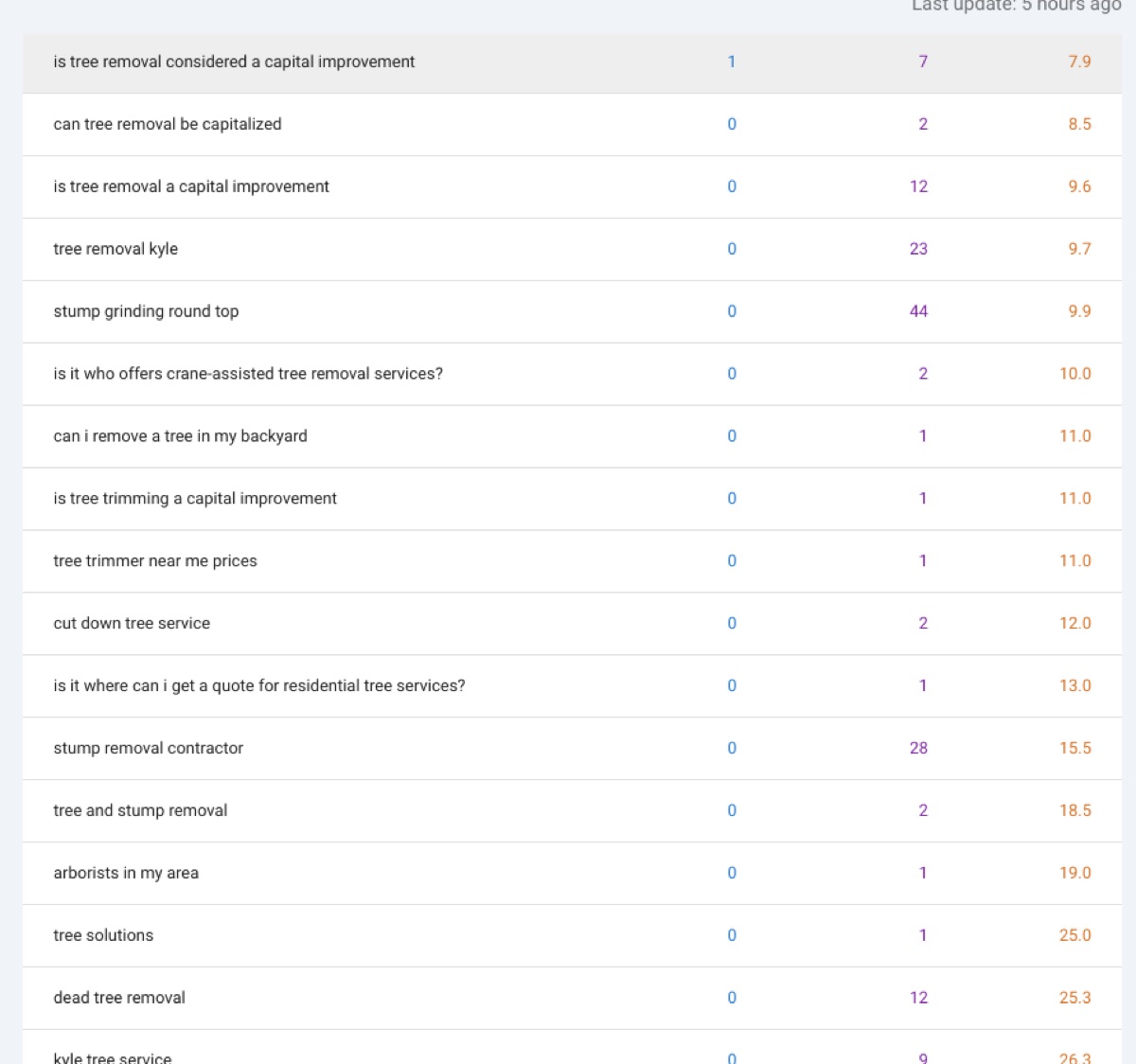
GSC 查询(查询词、点击、展示、CTR、平均排名):
[粘贴导出数据]

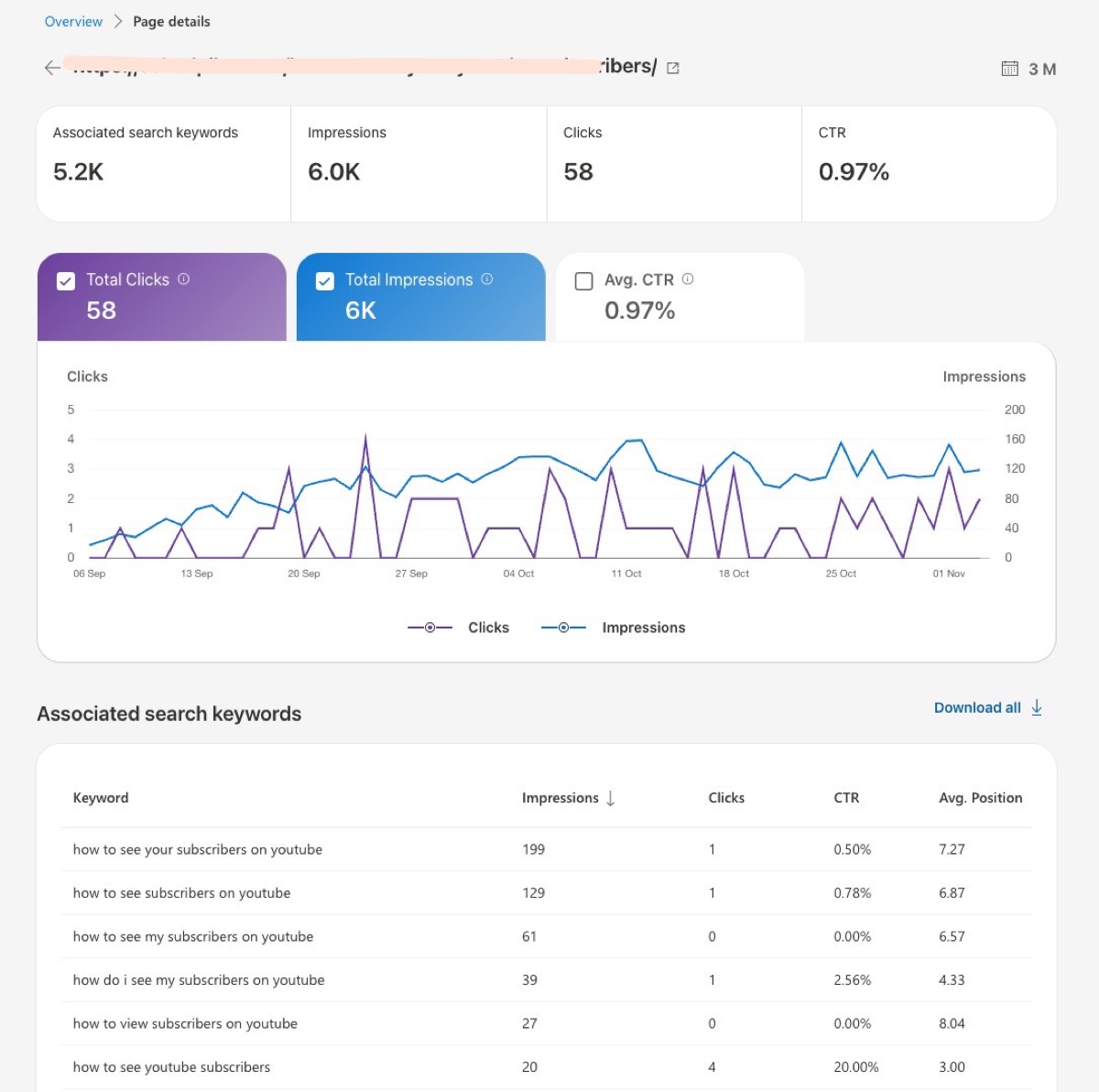
Bing 网站管理员工具查询(查询词、点击、展示、CTR、平均排名):
[粘贴导出数据]

## 操作步骤

1. 合并并清理查询
   - 将两份列表合并为一个表格。将每个查询标记为仅 GSC、仅 Bing 或两者皆有。
   - 将近似重复和相近变体归入同一集群(例如“X 适用于 Y 的最佳方案”、“X 用于 Y 2026”、“热门 X Y”)。
   - 指出哪些 Bing 数据是 GSC 没有的。把 Bing 查询视为真实的需求信号,而不是噪音。

2. 逐个集群对照文章检查
   对每个集群,按以下类别判断覆盖情况:
   - 覆盖良好:文章用一个清晰的章节直接回答了该问题
   - 覆盖较弱:只是顺带提及、埋在深处,或回答含糊
   - 未覆盖:文章完全没有涉及该问题
   - 意图不符:该查询想要的内容不适合本页面(请标记出来,改为另建独立页面)
   引用文章中覆盖该问题的部分,否则请说明"none."

3. 检查 SERP 与搜索意图
   对主要集群(以及每个具有可观展示量的“未覆盖”/“较弱”集群),搜索该查询并查看排名靠前的结果。告诉我:
   - 主导意图(信息型、商业型、交易型、导航型)
   - 主导形式(清单文、指南、对比、工具、产品页等)
   - 排名靠前的页面包含、而我的页面没有的内容(章节、表格、FAQ、示例、数据、价格、视觉元素)
   - 值得争取的任何 SERP 功能(精选摘要、人们也会问、视频)

4. 确定机会优先级
   根据以下因素,将每个机会评为高 / 中 / 低:
   - 两个搜索引擎的展示量合计
   - 当前排名(排名在 5 到 20 之间的是最快能见效的机会)
   - CTR 差距(展示量高、CTR 低 = 标题/元描述或摘要片段的问题)
   - 修复难度(新增一段 vs. 新增一整个章节 vs. 新建一个页面)

## 输出格式

A. 摘要:用 3 到 5 句话说明最大的缺口和最快的见效点。

B. 查询覆盖表:
| 集群 | 示例查询 | 来源(GSC/Bing/两者) | 展示量 | 平均排名 | 覆盖状态 | 优先级 |

C. 内容建议,按优先级排序。每条建议包括:
   - 目标查询
   - 要新增或修改的内容(新增二级标题、扩充某一节、添加表格、添加 FAQ、重写引言等)
   - 放在文章的哪个位置
   - 建议的标题,以及 2 到 3 句描述该章节应表达内容的文字
   - 原因:背后的意图或 SERP 证据

D. 标题标签和元描述:提供 2 到 3 个改写选项,尽量吸引最强的点击

4/ 然后添加你的修改,并重新提交索引

5/ 别忘了添加恰当的内部链接(我另有一篇文章专门讲这个)

SEO 自动化可以做,但不要做到100%,而且必须非常谨慎,否则事情会以灾难收场

对我的网站和客户也这样做
You are a senior SEO content strategist. I'm going to give you one page from my site plus the search queries it gets impressions for in Google Search Console and Bing Webmaster Tools. Your job is to find the queries I'm missing or covering poorly, and tell me exactly what to change on the page.
## Inputs
Page URL: [URL]
Primary target keyword: [keyword]
Audience / what the site sells: [one line]
Article content:
[paste the full article, or say "fetch the URL above"]
GSC queries (query, clicks, impressions, CTR, avg position):
[paste export]
Bing Webmaster Tools queries (query, clicks, impressions, CTR, avg position):
[paste export]
## What to do
1. Merge and clean the queries
- Combine both lists into one table. Mark each query as GSC only, Bing only, or both.
- Group near-duplicates and close variants into clusters (e.g. "best X for Y", "X for Y 2026", "top X Y").
- Note where Bing shows data that GSC doesn't. Treat Bing queries as real demand signals, not noise.
2. Check every cluster against the article
For each cluster, classify coverage as:
- Covered well: the article answers it directly with a clear section
- Covered weakly: mentioned in passing, buried, or answered vaguely
- Not covered: the article doesn't address it at all
- Wrong intent: the query wants something this page shouldn't be (flag it for a separate page instead)
Quote the part of the article that covers it, or say "none."
3. Check the SERP and search intent
For the main clusters (and every "not covered" / "weak" cluster with meaningful impressions), search the query and look at the top results. Tell me:
- Dominant intent (informational, commercial, transactional, navigational)
- Dominant format (listicle, guide, comparison, tool, product page, etc.)
- What the top-ranking pages include that mine doesn't (sections, tables, FAQs, examples, data, pricing, visuals)
- Any SERP features worth targeting (featured snippet, People Also Ask, video)
4. Prioritize opportunities
Score each opportunity High / Medium / Low based on:
- Impressions across both engines
- Current position (positions 5 to 20 are the quickest wins)
- CTR gap (high impressions, low CTR = title/meta or snippet problem)
- Effort to fix (a new paragraph vs. a full new section vs. a new page)
## Output format
A. Summary: 3 to 5 sentences on the biggest gaps and the fastest wins.
B. Query coverage table:
| Cluster | Example queries | Source (GSC/Bing/both) | Impressions | Avg position | Coverage status | Priority |
C. Content recommendations, ordered by priority. For each one:
- Target queries
- What to add or change (new H2, expand a section, add a table, add an FAQ, rewrite the intro, etc.)
- Where in the article it goes
- A suggested heading and 2 to 3 sentences describing what the section should say
- Why: the intent or SERP evidence behind it
D. Title tag and meta description: 2 to 3 rewritten options that pull in the strongest
4/ then add your edits, and resubmit for index
5/ dont forget to add proper internal linking (i have another post for that)
automating SEO should be done but not 100% , and with strict carefulness because otherwise things end in disaster
doing the same for my websites and my customers
使用建议
填入页面、关键词、文章和两份搜索查询导出数据;需要联网查看SERP时再提供可用浏览能力。
信息
- 类型
- 图片
- 模型
- Claude
- 许可
- Source-author-rights
- 发布时间