Image · Claude
Dual-Engine SEO Content Review
Have the model merge Google and Bing query data, evaluate article coverage, search intent, and ranking opportunities item by item, and give prioritized revision suggestions.
 andrei saioc@asaio87
Prompt
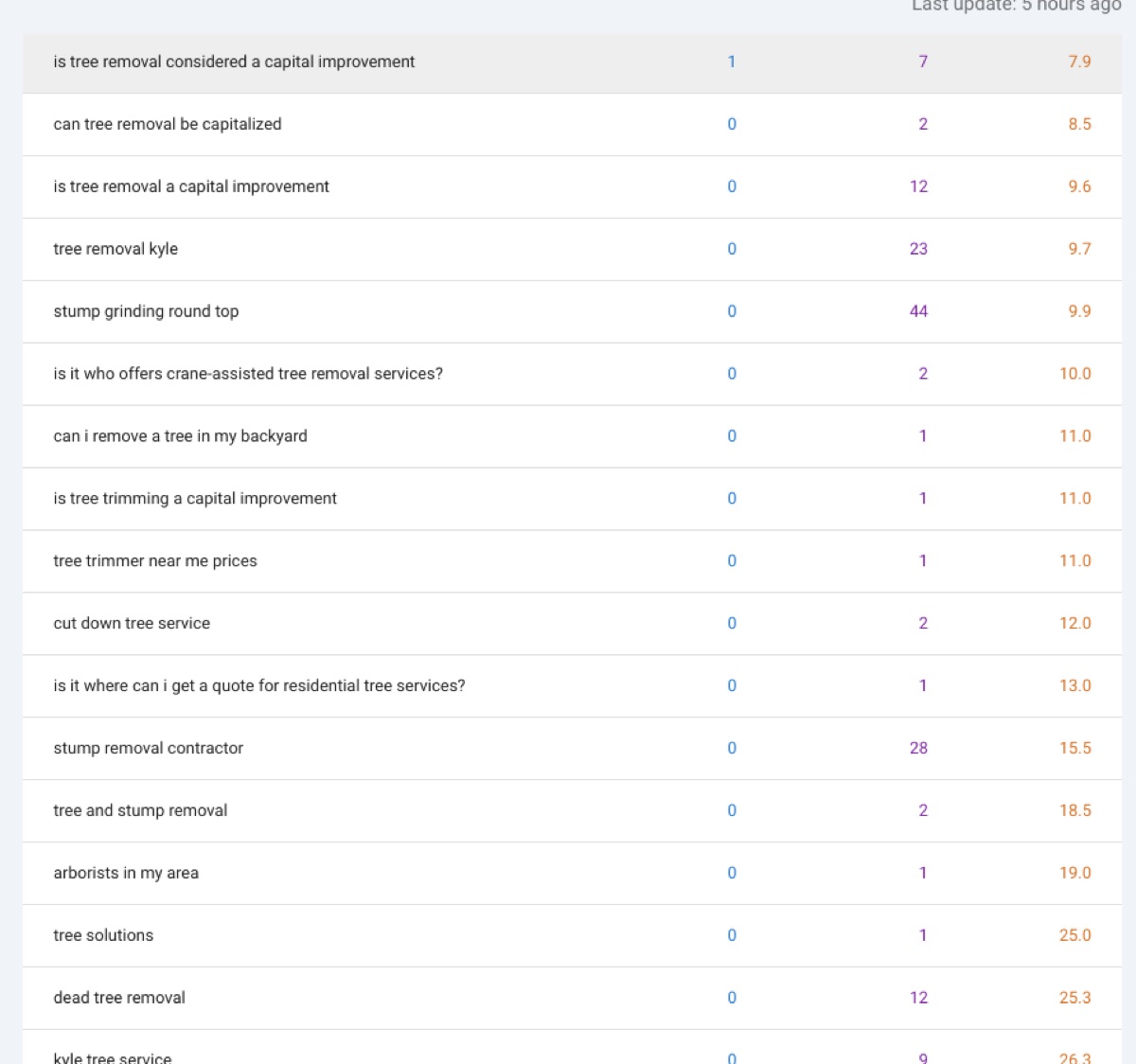
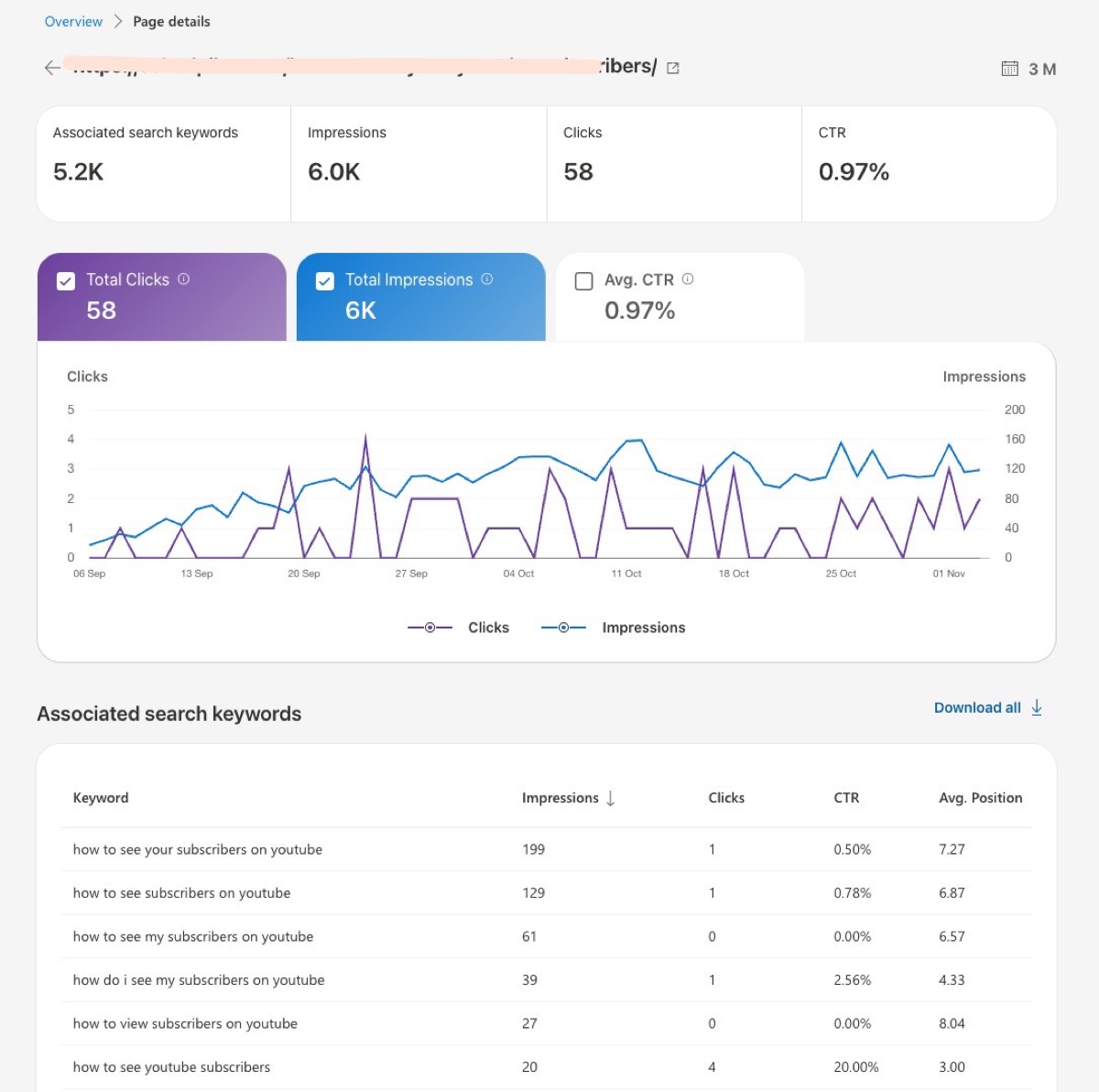
You are a senior SEO content strategist. I'm going to give you one page from my site plus the search queries it gets impressions for in Google Search Console and Bing Webmaster Tools. Your job is to find the queries I'm missing or covering poorly, and tell me exactly what to change on the page.

## Inputs

Page URL: [URL]
Primary target keyword: [keyword]
Audience / what the site sells: [one line]

Article content:
[paste the full article, or say "fetch the URL above"]

GSC queries (query, clicks, impressions, CTR, avg position):
[paste export]

Bing Webmaster Tools queries (query, clicks, impressions, CTR, avg position):
[paste export]

## What to do

1. Merge and clean the queries
   - Combine both lists into one table. Mark each query as GSC only, Bing only, or both.
   - Group near-duplicates and close variants into clusters (e.g. "best X for Y", "X for Y 2026", "top X Y").
   - Note where Bing shows data that GSC doesn't. Treat Bing queries as real demand signals, not noise.

2. Check every cluster against the article
   For each cluster, classify coverage as:
   - Covered well: the article answers it directly with a clear section
   - Covered weakly: mentioned in passing, buried, or answered vaguely
   - Not covered: the article doesn't address it at all
   - Wrong intent: the query wants something this page shouldn't be (flag it for a separate page instead)
   Quote the part of the article that covers it, or say "none."

3. Check the SERP and search intent
   For the main clusters (and every "not covered" / "weak" cluster with meaningful impressions), search the query and look at the top results. Tell me:
   - Dominant intent (informational, commercial, transactional, navigational)
   - Dominant format (listicle, guide, comparison, tool, product page, etc.)
   - What the top-ranking pages include that mine doesn't (sections, tables, FAQs, examples, data, pricing, visuals)
   - Any SERP features worth targeting (featured snippet, People Also Ask, video)

4. Prioritize opportunities
   Score each opportunity High / Medium / Low based on:
   - Impressions across both engines
   - Current position (positions 5 to 20 are the quickest wins)
   - CTR gap (high impressions, low CTR = title/meta or snippet problem)
   - Effort to fix (a new paragraph vs. a full new section vs. a new page)

## Output format

A. Summary: 3 to 5 sentences on the biggest gaps and the fastest wins.

B. Query coverage table:
| Cluster | Example queries | Source (GSC/Bing/both) | Impressions | Avg position | Coverage status | Priority |

C. Content recommendations, ordered by priority. For each one:
   - Target queries
   - What to add or change (new H2, expand a section, add a table, add an FAQ, rewrite the intro, etc.)
   - Where in the article it goes
   - A suggested heading and 2 to 3 sentences describing what the section should say
   - Why: the intent or SERP evidence behind it

D. Title tag and meta description: 2 to 3 rewritten options that pull in the strongest

4/ then add your edits, and resubmit for index

5/ dont forget to add proper internal linking (i have another post for that)

automating SEO should be done but not 100% , and with strict carefulness because otherwise things end in disaster

doing the same for my websites and my customers
How to use
Provide the page, keywords, article, and two search query exports; supply browsing capability when you need to view the SERP online.
Details
- Type
- Image
- Model
- Claude
- Source
- andrei saioc
- License
- Source-author-rights
- Published