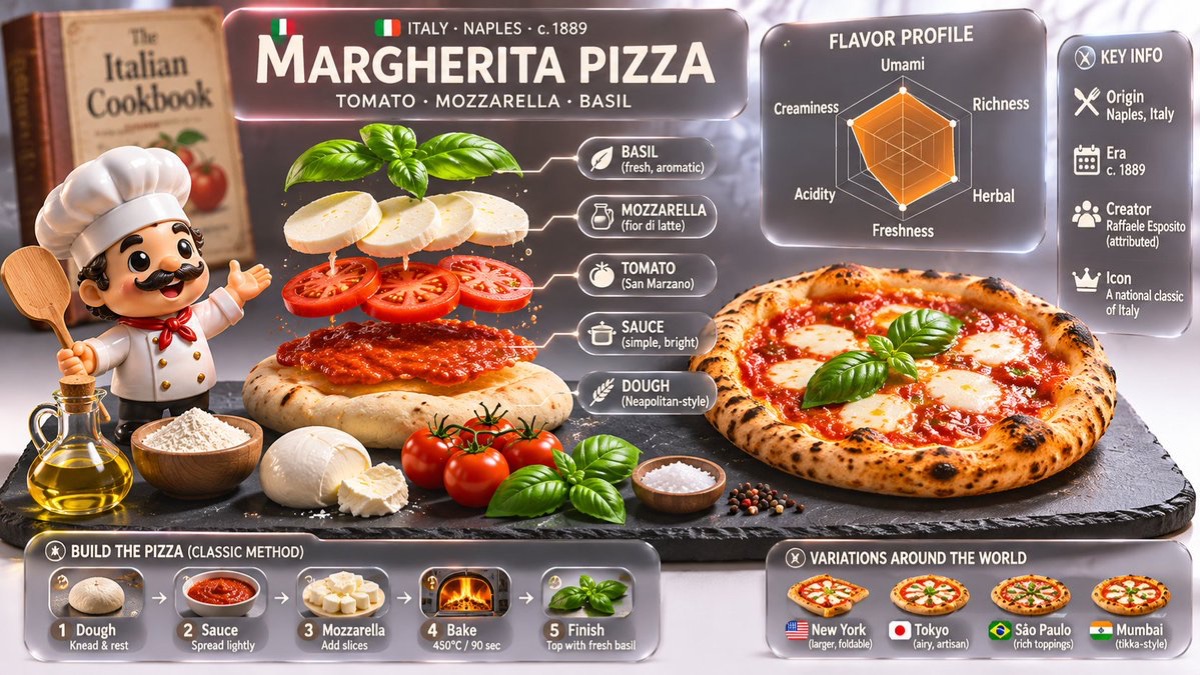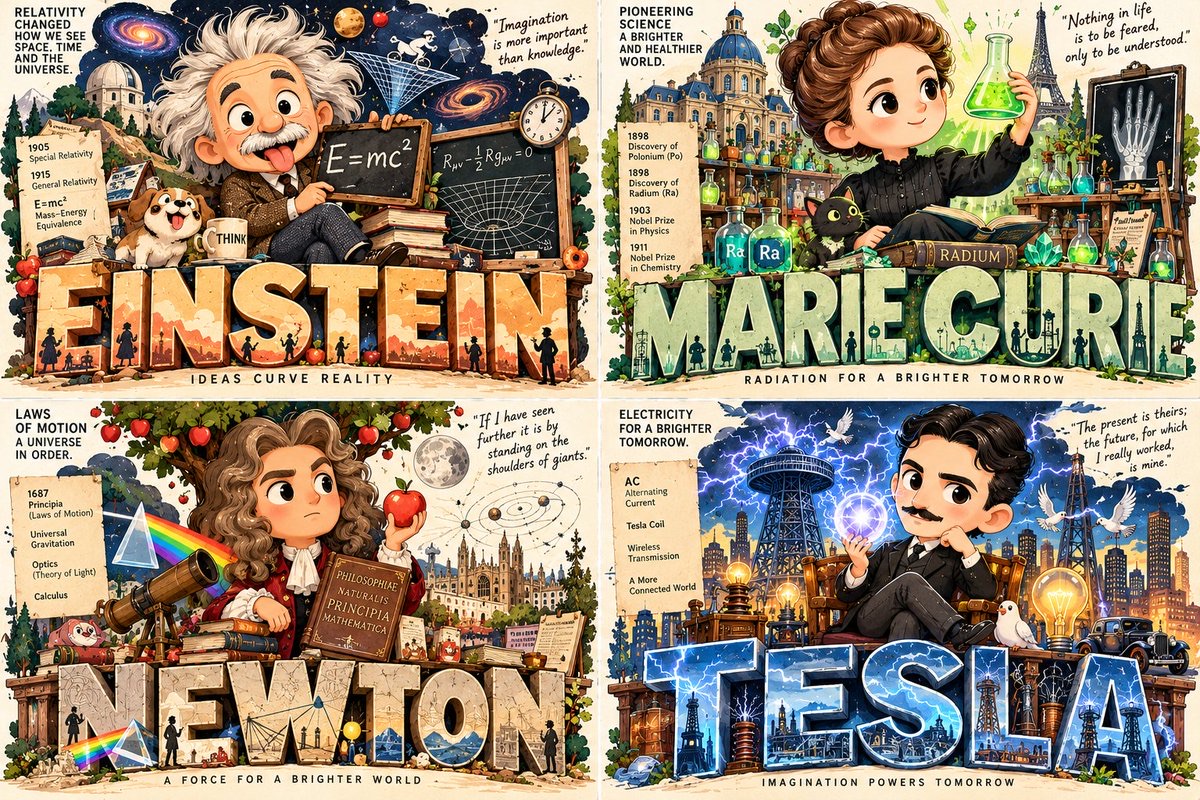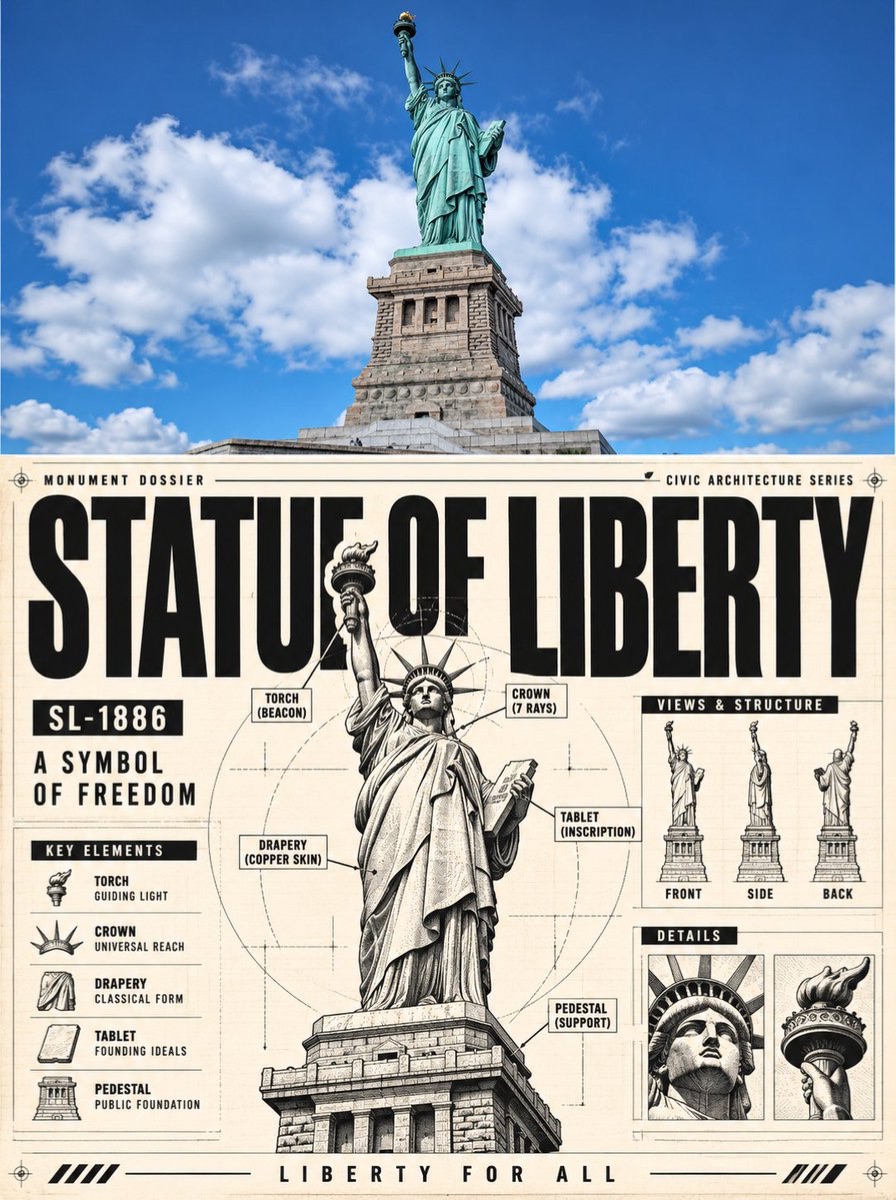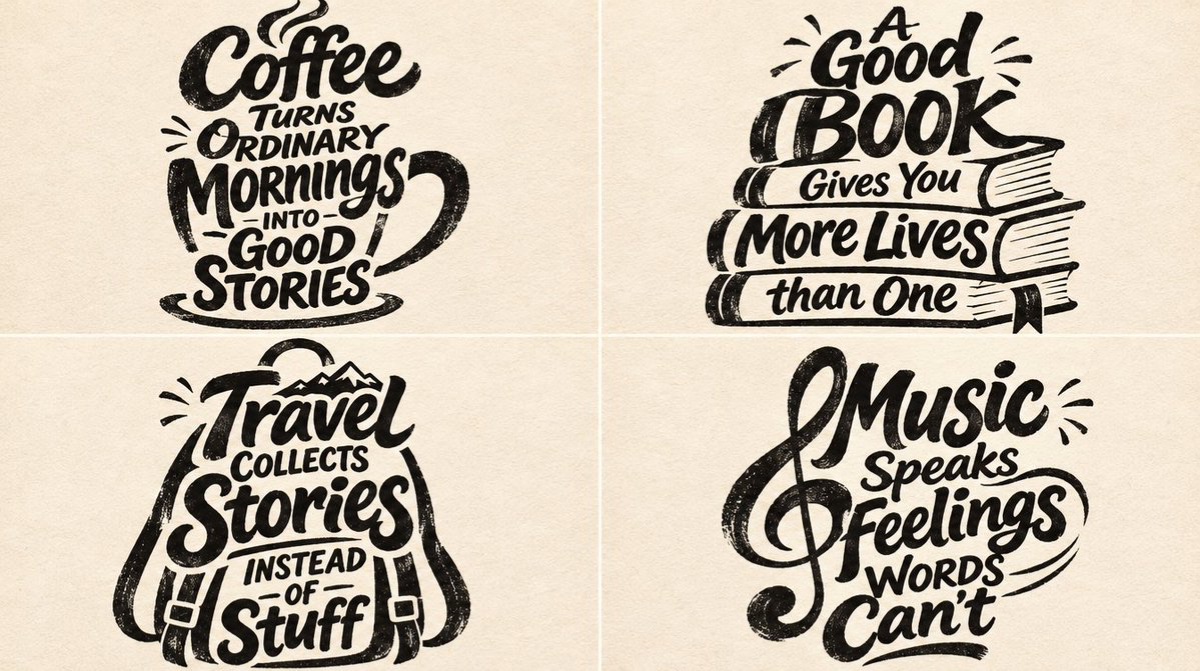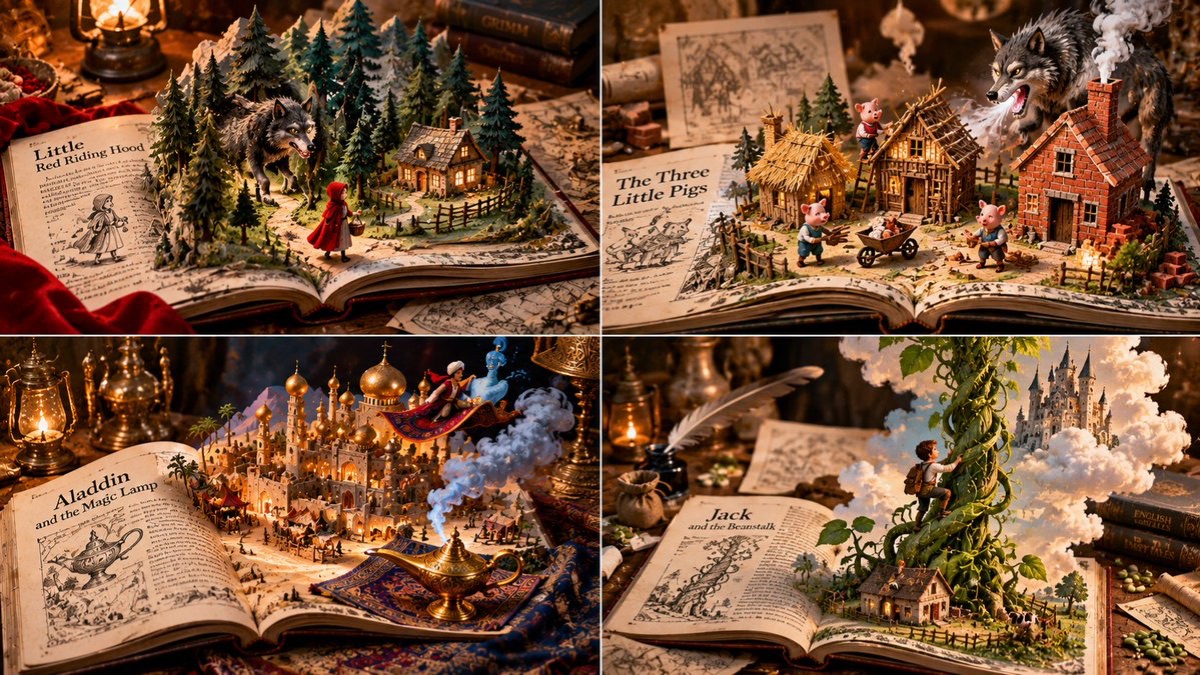
图片
童话书页微缩世界
把经典童话构造成从旧书中浮现的立体微缩世界,结合档案桌面氛围与多场景叙事。
 Gadgetify@Gdgtify
Prompt
2x2 grid, 16:9, do this for 4 non-copyrighted public domain tales that parents tell their children internationally: INPUT: $ SUBJECT

// 1. INTERPRET SUBJECT AS A WORLD

S = analyze_or_research($ SUBJECT)

WORLD = {
    central_idea       : infer_core_worldview(S),
    setting            : infer_primary_environment(S),
    protagonists       : infer_key_agents(S),
    objects            : infer_iconic_objects(S, 5..12),
    architecture       : infer_architecture(S),
    conflict           : infer_primary_tension(S),
    mood               : infer_emotional_atmosphere(S),
    written_sources    : infer_documents_or_textual_traces(S),
    visual_period      : infer_period_language(S)
}

// 2. CREATE THE PHYSICAL SOURCE DOCUMENT

SOURCE_OBJECT = choose_semantically(
    old_open_book,
    manuscript,
    notebook,
    blueprint,
    newspaper,
    map,
    scientific journal,
    dossier
)

Place SOURCE_OBJECT on a physical desk.

Its printed/drawn contents do not remain flat.

The subject rises physically OUT OF THE PAGE.

Paper streets become roads.
Ink lines become architecture.
Diagrams become machines.
Margins become cliffs.
Paragraphs become terrain.
Illustrations become inhabited three-dimensional scenes.

// 3. EMERGENCE PHYSICS

Define z = height_above_page

importance(concept) ↑
    => z ↑

narrative centrality ↑
    => physical scale ↑

background detail
    => remains printed / engraved

major concept
    => becomes fully dimensional

This produces a gradient:

PRINTED PAGE
      ↓
RELIEF
      ↓
PAPER SCULPTURE
      ↓
FULL MINIATURE WORLD

// 4. SEMANTIC WORLD BUILDING

Construct 3–7 visual zones inside the emerging world.

Each represents a major theme of $ SUBJECT.

zones should communicate through:

    architecture,
    terrain,
    people,
    machinery,
    props,
    signage,
    environmental condition.

Do not label every concept.

Let the miniature scene communicate meaning visually.

// 5. DESK ARCHAEOLOGY

Around the book/source object place
only subject-relevant research artifacts:

    typewriter,
    spectacles,
    drafts,
    maps,
    diagrams,
    photographs,
    engineering tools,
    notes,
    letters,
    measuring tools,
    scientific instruments,
    period objects.

Select them from $ SUBJECT.

Never use the same desk props for every topic.

// 6. DOCUMENT LAYERS

Behind or beneath the miniature world:

include fragments of authentic-looking source material:

    quotations represented as short fragments,
    sketches,
    maps,
    marginalia,
    diagrams,
    chapter headings,
    dates,
    revisions,
    stamps.

These should appear physically printed,
typed, handwritten, pasted, folded, or clipped.

// 7. LIGHTING + MOOD

LIGHTING =
    warm tungsten archival desk light
    + selective glow generated by the miniature world

The physical desk remains grounded and believable.

World illumination should respond to the subject:

utopian subject
    => luminous horizon

industrial subject
    => furnace glow + smoke

scientific discovery
    => laboratory glow

war/conflict
    => fires + damaged architecture

philosophical subject
    => restrained symbolic light

// 8. CAMERA

camera =
    elevated oblique tabletop view

lens =
    40–55mm equivalent

focus =
    miniature world sharp,
    desk edges gradually softer

scale =
    unmistakably handcrafted miniature

// 9. OUTPUT

Create a physical literary/research diorama for $ SUBJECT
where the subject's world grows out of its own documentary source.

It should feel like:

an archival scholar's desk
× pop-up museum
× miniature civilization
× historical research artifact.

Avoid:
ordinary open-book pop-up art,
generic fantasy villages,
unrelated vintage props,
random typewriter decoration,
flat collage,
four disconnected scenes.
使用建议
将“$ SUBJECT”替换为一则公版童话,生成四个主题一致的书页场景。
信息
- 类型
- 图片
- 许可
- Source-author-rights
- 发布时间