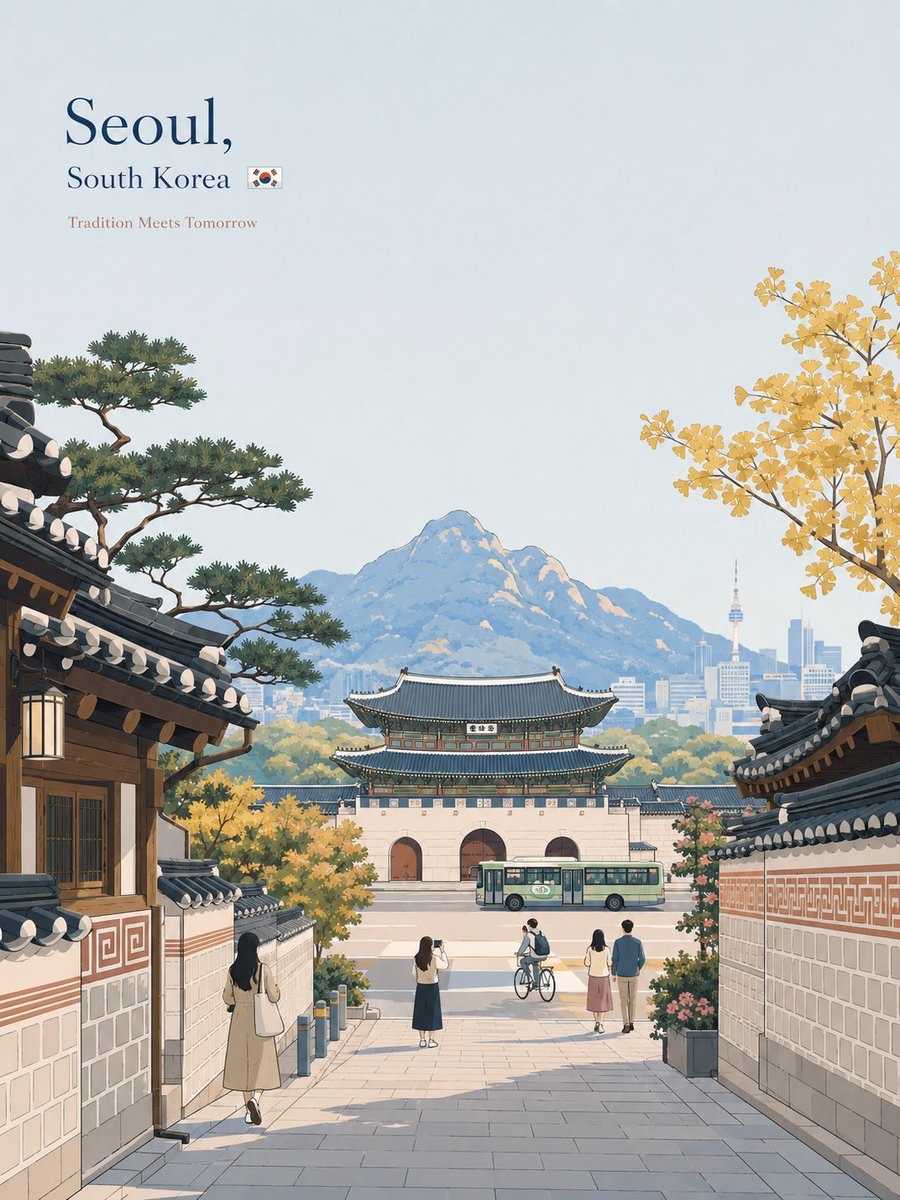
图片 · GPT image 2
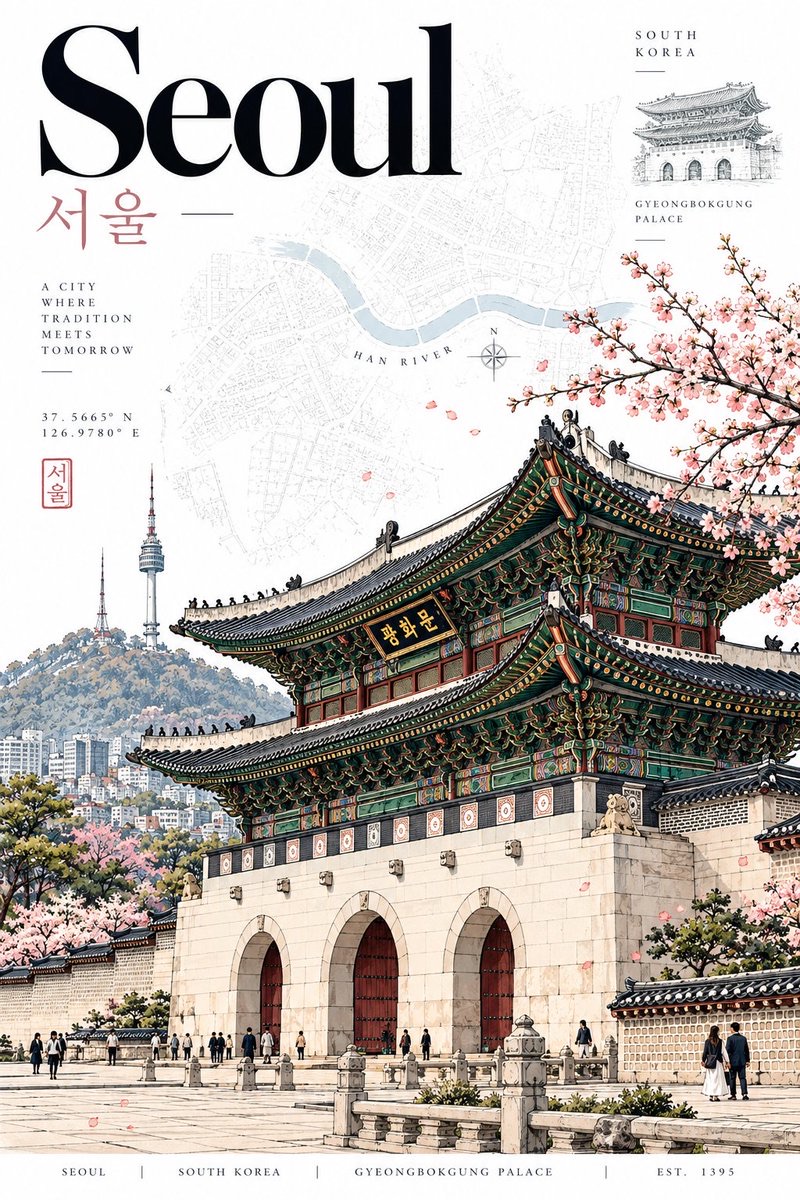
城市专属极简旅行海报
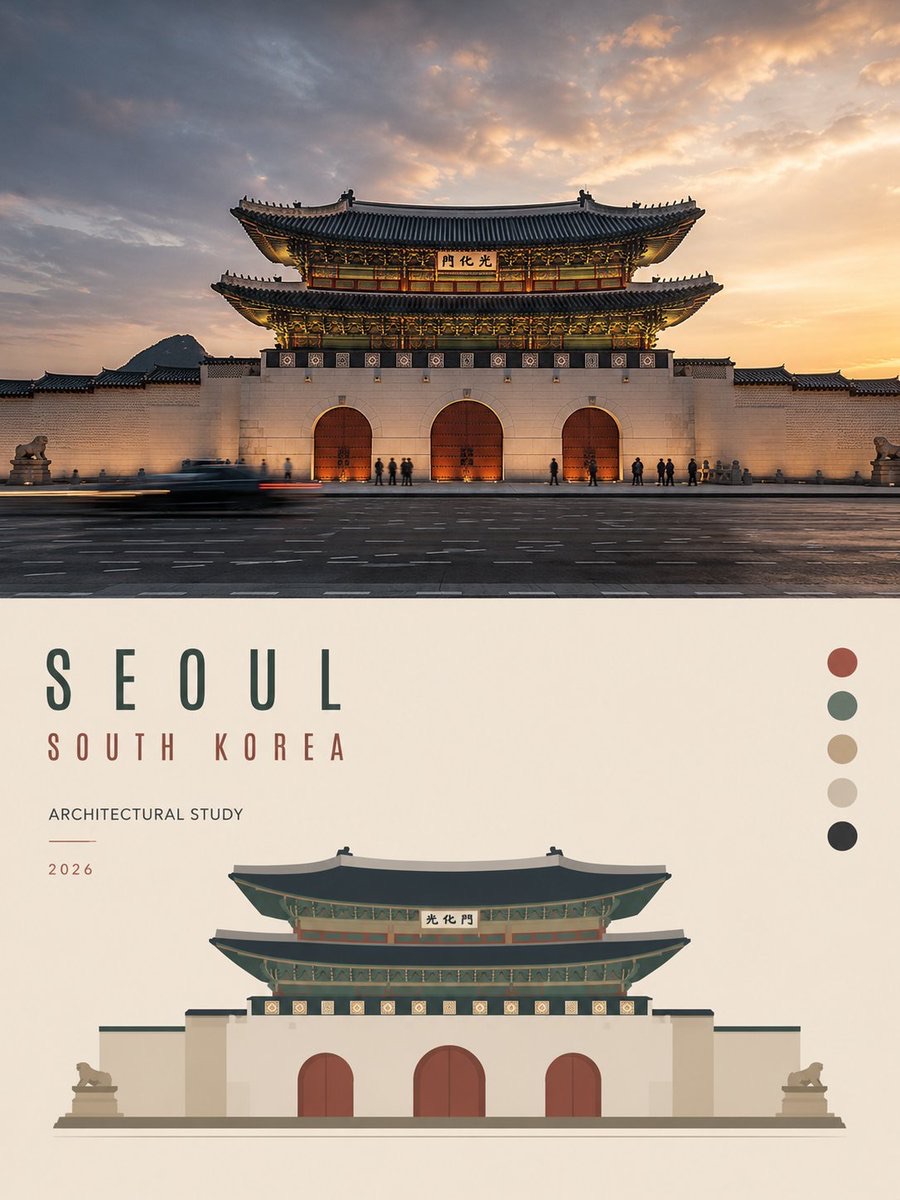
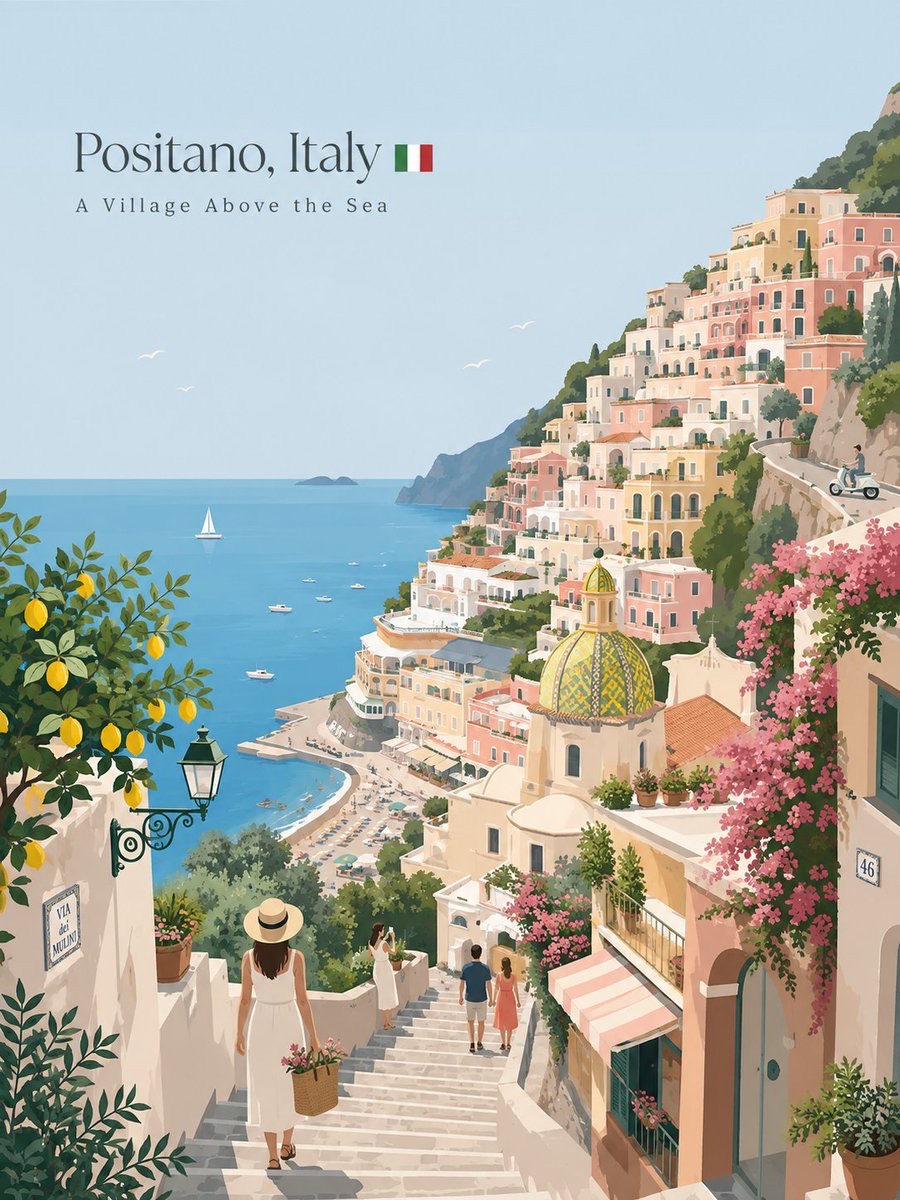
为指定城市设计一张3:4竖版高级扁平矢量旅行海报,结合地标、城市交通、日常生活、自然环境与独特构图,形成安静精致的地方视觉叙事。
 Laraib Fatima@AiwithLariab
Prompt
适用于[CITY_NAME]的高端极简扁平矢量旅行海报,3:4竖版。
设计一张原创且精致的旅行海报,呈现[CITY_NAME]真实的视觉个性。构图必须像是专为这座城市量身打造,而不是套用可重复使用的模板。

城市特色

先解读[CITY_NAME]独特的视觉气质,并围绕以下五个元素构建场景:

1。一处具有辨识度的地标、建筑特色或天际线元素。
2。一种独具特色的本地城市出行方式。
3。一个含蓄的日常生活片段。
4。一种本土植物、景观或环境特征。
5。一种自然契合这座城市的构图与视角。

整体场景结构必须因城市而异。不要反复使用相同的物体位置或视觉公式。

可选构图包括:
港口观景视角、狭窄的历史街巷、河畔花园、海岸小径、高处城市俯瞰、生机盎然的市集通道、有轨电车大道、渡轮码头、植物园景致、历史广场、海滨步道、文化广场或天际线露台。

选择最能代表[CITY_NAME]的构图。

字体设计

将“[CITY_NAME]”放在左上区域,周围留出充足、整洁的留白。

添加一句受城市氛围启发的简短精致英文标语。

字体应显得含蓄、具有编辑设计感、疏朗而高端。切勿让文字喧宾夺主。

视觉层次

以一处标志性地标或建筑特色作为主要视觉焦点。

仅用2–4个精心挑选的本地元素衬托。每个新增细节都应强化地域感。

避免堆砌地标或制作明信片式拼贴。让场景保持视觉上的宁静与克制。

人物

仅加入3–6个小比例人物。

为每个人安排一个与当地生活相关、可信的活动,例如:
穿行于历史街巷、骑行、等候公共交通、描摹建筑、登上渡轮、户外阅读、静静拍照、携带海滩用品、逛市集或沿水边慢跑。

避免人群,也不要让任何一个人成为主角。人物应自然融入环境。

本地特色

仅在确实符合[CITY_NAME]的情况下使用具有城市特色的元素:

- 本地交通
- 建筑
- 街道设施
- 植被
- 小型标牌或导向标识
- 本地食物元素
- 休闲活动
- 路面标线
- 文化细节

交通与标识应保持含蓄。不要总是使用大型招牌,而应通过小型交通标记、车站时钟、渡轮信息牌、自行车标志、路面喷绘标线、海滩旗帜或低调的地铁图标,自然融入细节。

艺术指导

日式文具灵感美学,
奢华贴纸插画,
高端商业矢量插画,
现代编辑风格旅行品牌设计,
干净纤细的轮廓线,
统一的线条粗细,
简洁的几何形状,
平涂色彩插画,
柔和的造型,
平衡的视觉节奏,
高端极简明信片设计。

色彩体系

主要以以下色彩营造氛围:
浅粉蓝、柔和天蓝、雾霭蓝和清凉通透的蓝色调。

以以下色彩加以平衡:
暖象牙白、奶油色、柔和米色、低饱和鼠尾草绿、灰绿色和含蓄的建筑中性色。

仅将灰玫瑰色或低饱和腮红色用于花朵、服饰细节、小型标牌、遮阳篷或装饰物等细微点缀。

色彩应保持柔和、精致、略微低饱和且协调统一。

氛围

清新、通透、宁静、精致、现代、优雅。

最终作品应如同高端精品旅行明信片或奢华生活方式品牌插画,留有充足的呼吸空间,并呈现轻松的地域氛围。

重要质量要求

每座城市都必须拥有自己的视觉识别。
根据城市特色调整镜头角度、场景结构、地标位置、前景处理和衬托细节。

不要只是在现有构图中替换[CITY_NAME]。

负面提示词

不要照片写实风格。
不要写实风格。
不要水彩。
不要绘画式笔触。
不要渐变。
不要浓重阴影。
不要戏剧化的电影灯光。
不要纸张纹理。
不要过多细节。
不要杂乱的背景。
不要地标拼贴。
不要拥挤的街道。
不要过大的角色。
不要占主导地位的主角。
不要重复使用咖啡馆构图。
不要固定招牌位置。
不要采用相同的前景处理。
不要套用通用旅游海报公式。
不要照搬其他城市的版式。
不要添加多余的装饰元素。
Premium minimalist flat-vector travel poster for [CITY_NAME], 3:4 vertical format.
Design an original, sophisticated travel poster that captures the authentic visual personality of [CITY_NAME]. The composition must feel purpose-built for this city rather than following a reusable template.
CITY IDENTITY
First interpret the unique visual character of [CITY_NAME] and build the scene around these five elements:
1. A recognizable landmark, architectural feature, or skyline element.
2. A distinctive local way of moving through the city.
3. One subtle everyday lifestyle moment.
4. A native plant, landscape, or environmental characteristic.
5. A composition and viewpoint that naturally belongs to the city.
The overall scene structure must change from city to city. Do not repeatedly use the same object positions or visual formula.
Possible compositions include:
harbor viewpoint, narrow historic lane, riverside garden, coastal path, elevated city overlook, lively market passage, tram avenue, ferry terminal, botanical setting, heritage square, beach promenade, cultural plaza, or skyline terrace.
Choose whichever composition best represents [CITY_NAME].
TYPOGRAPHY
Place “[CITY_NAME]” in the upper-left area with generous clean negative space.
Add one short, sophisticated English tagline inspired by the atmosphere of the city.
Typography should feel understated, editorial, spacious, and premium. Never allow text to dominate the artwork.
VISUAL HIERARCHY
Use one iconic landmark or architectural feature as the main focal point.
Support it with only 2–4 carefully selected local elements. Every added detail should strengthen the sense of place.
Avoid landmark collections or postcard-style collages. Keep the scene visually quiet and intentional.
PEOPLE
Include only 3–6 small-scale figures.
Give each person a believable activity connected to local life, such as:
walking through a historic lane, cycling, waiting for public transport, sketching architecture, boarding a ferry, reading outdoors, taking a quiet photograph, carrying beach equipment, browsing a market, or jogging beside the water.
Avoid crowds and avoid making any single person the main character. Figures should integrate naturally into the environment.
LOCAL CHARACTER
Use city-specific elements only when they genuinely fit [CITY_NAME]:
- local transportation
- architecture
- street furniture
- vegetation
- small signs or wayfinding
- local food references
- recreational activities
- pavement markings
- cultural details
Transport and signage should remain subtle. Instead of always using a large signboard, incorporate details naturally through a small transit marker, station clock, ferry information panel, bike symbol, painted road marking, beach flag, or understated metro icon.
ART DIRECTION
Japanese stationery-inspired aesthetic,
luxury sticker illustration,
premium commercial vector artwork,
modern editorial travel branding,
clean delicate outlines,
uniform line weight,
simple geometric forms,
flat-color illustration,
soft shapes,
balanced visual rhythm,
high-end minimalist postcard design.
COLOR SYSTEM
Build the atmosphere primarily with:
pale powder blue, soft sky blue, mist blue, and cool airy blues.
Balance these with:
warm ivory, cream, soft beige, muted sage, gray-green, and understated architectural neutrals.
Use dusty rose or muted blush only for tiny visual accents such as flowers, clothing details, small signs, awnings, or decorative objects.
Colors should remain soft, sophisticated, slightly desaturated, and cohesive.
MOOD
Fresh, airy, peaceful, refined, contemporary, elegant.
The final artwork should feel like a premium boutique travel postcard or luxury lifestyle brand illustration, with generous breathing room and a relaxed sense of place.
IMPORTANT QUALITY RULES
Every city must have its own visual identity.
Change the camera angle, scene structure, landmark placement, foreground treatment, and supporting details according to the city's character.
Do not simply replace [CITY_NAME] inside an existing composition.
NEGATIVE PROMPT
No photorealism.
No realism.
No watercolor.
No painterly brushwork.
No gradients.
No heavy shadows.
No dramatic cinematic lighting.
No paper texture.
No excessive detail.
No cluttered background.
No landmark collage.
No crowded streets.
No oversized characters.
No dominant hero character.
No repetitive café composition.
No fixed signboard position.
No identical foreground treatment.
No generic tourist-poster formula.
No copied layout from another city.
No unnecessary decorative elements.
使用建议
使用建议:将[CITY_NAME]替换为目标城市,并优先补充真实且具有代表性的地标、交通方式和植物;生成后检查英文城市名与标语的拼写和排版。
信息
- 类型
- 图片
- 模型
- GPT image 2
- 许可
- Source-author-rights
- 发布时间