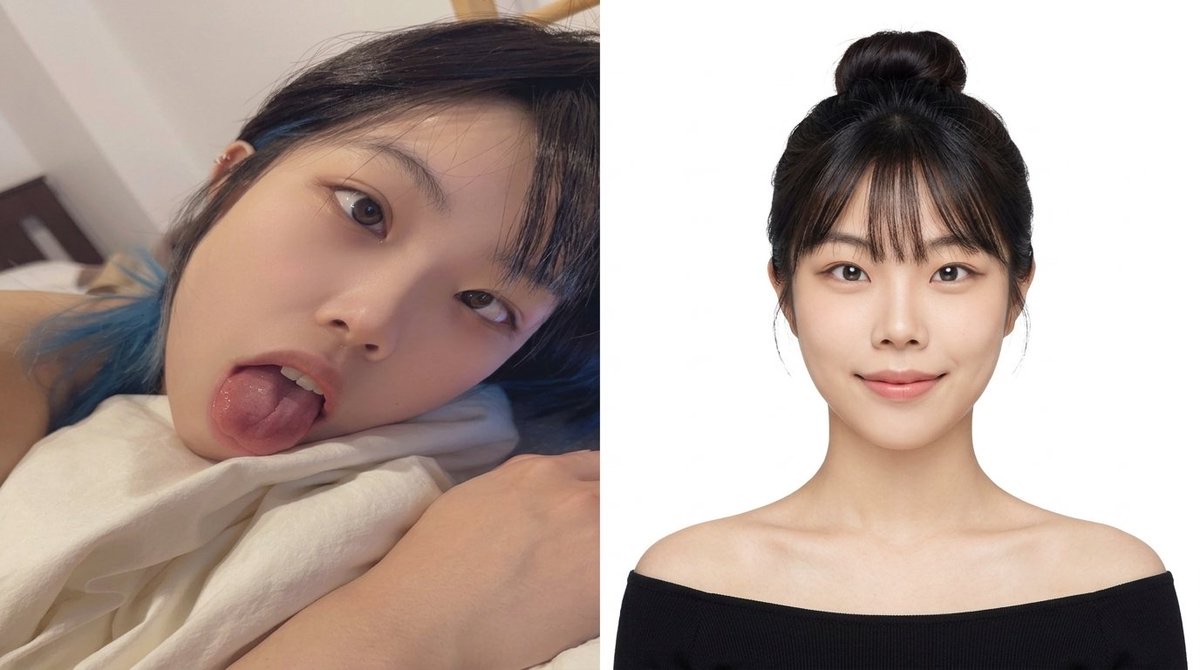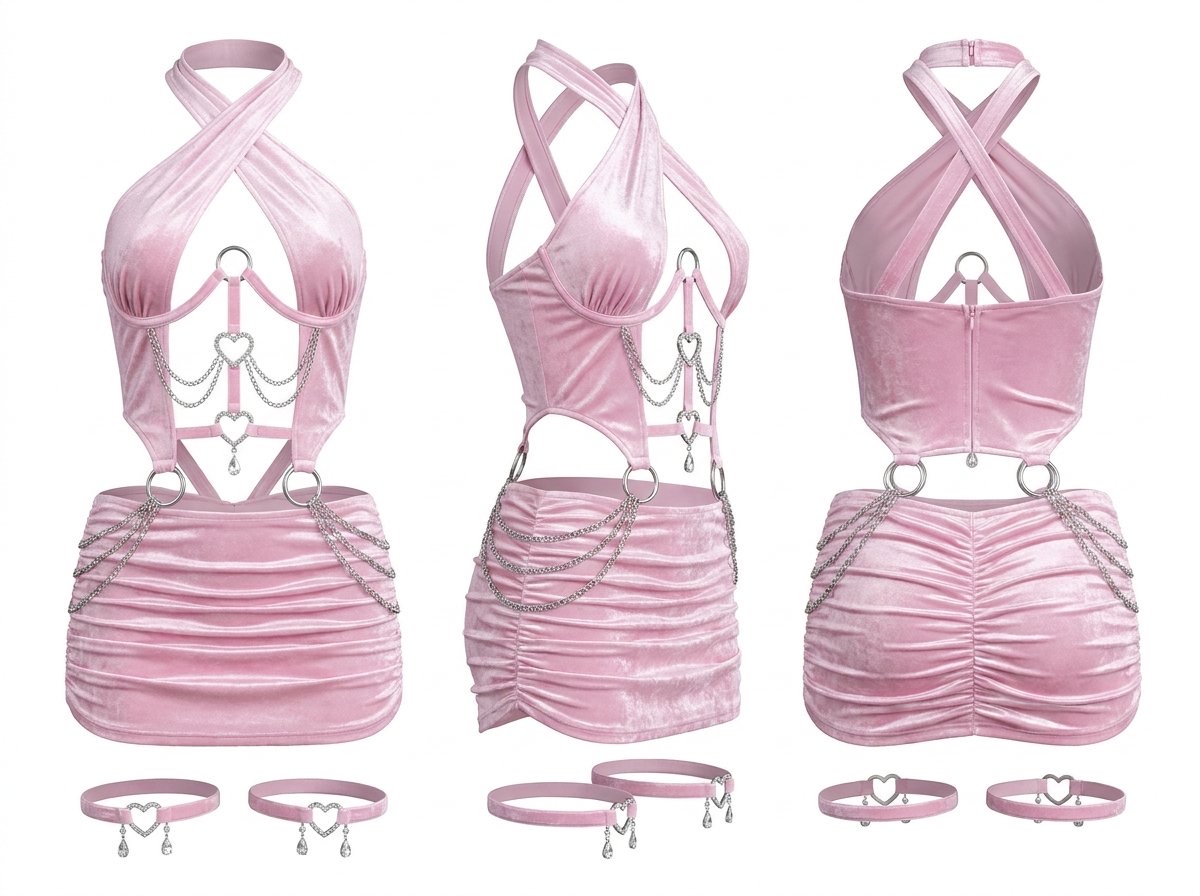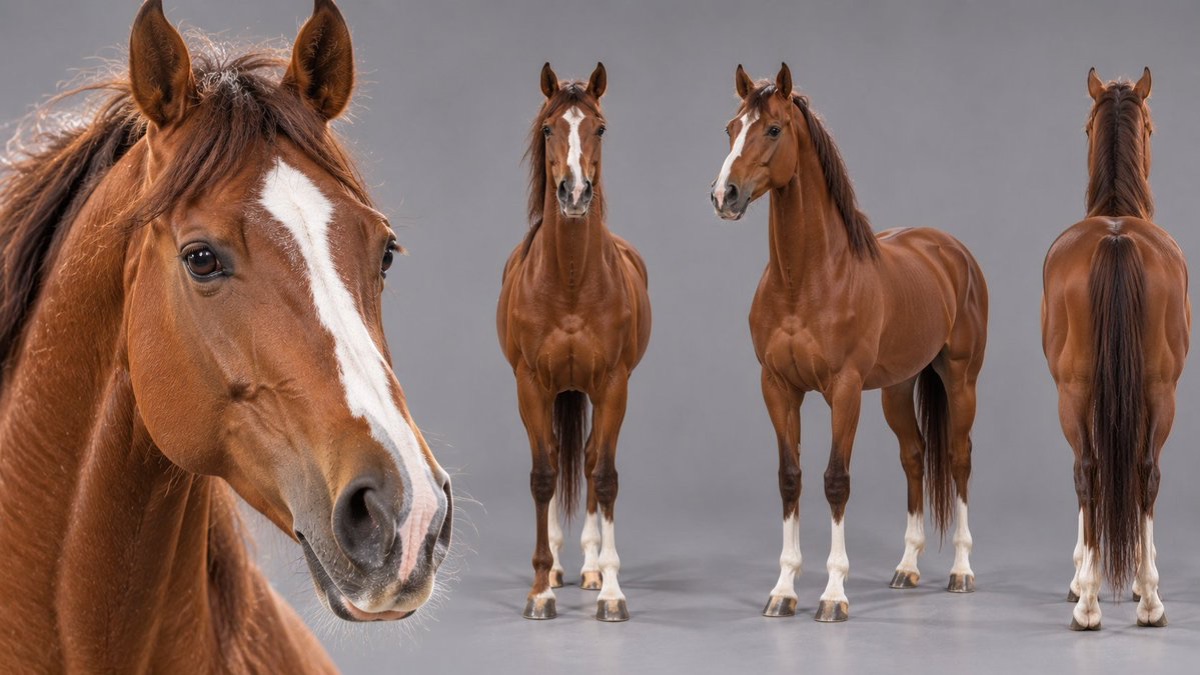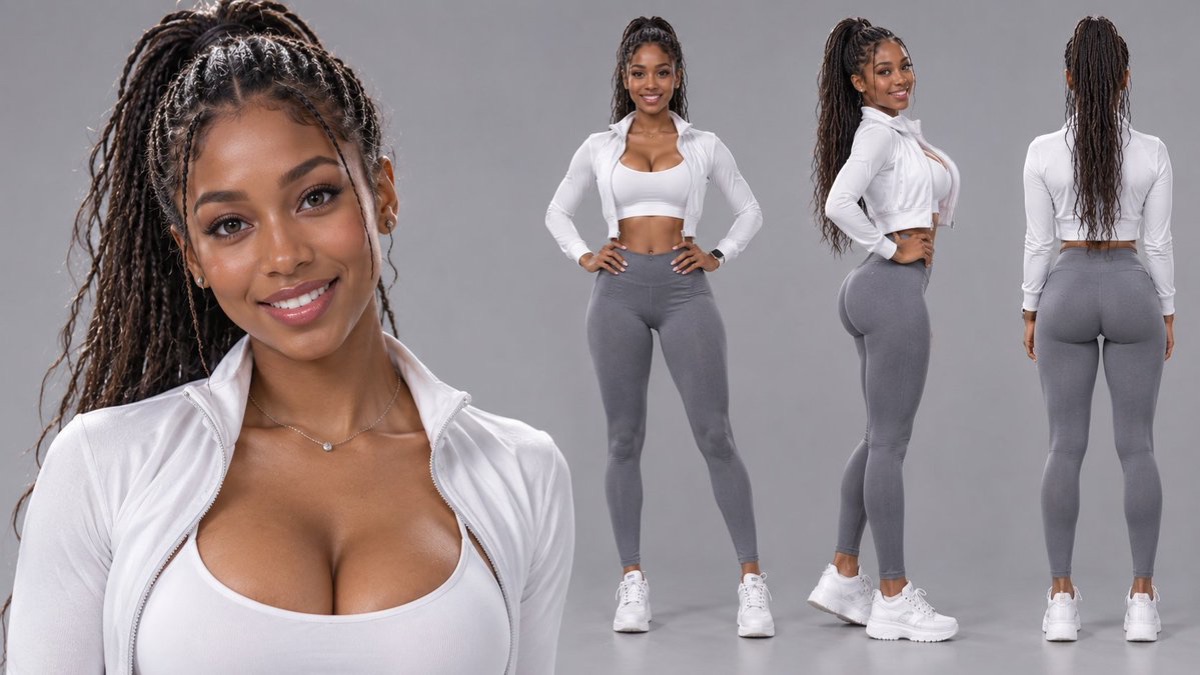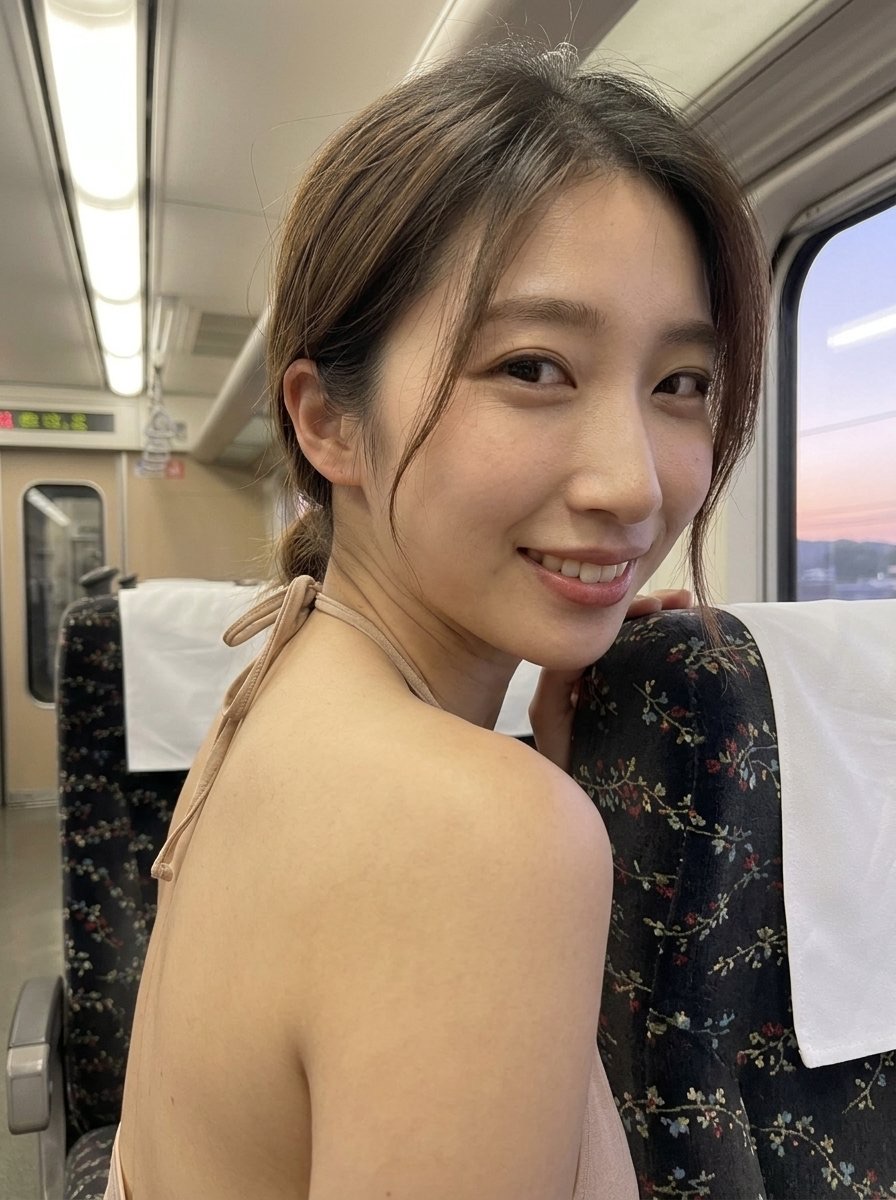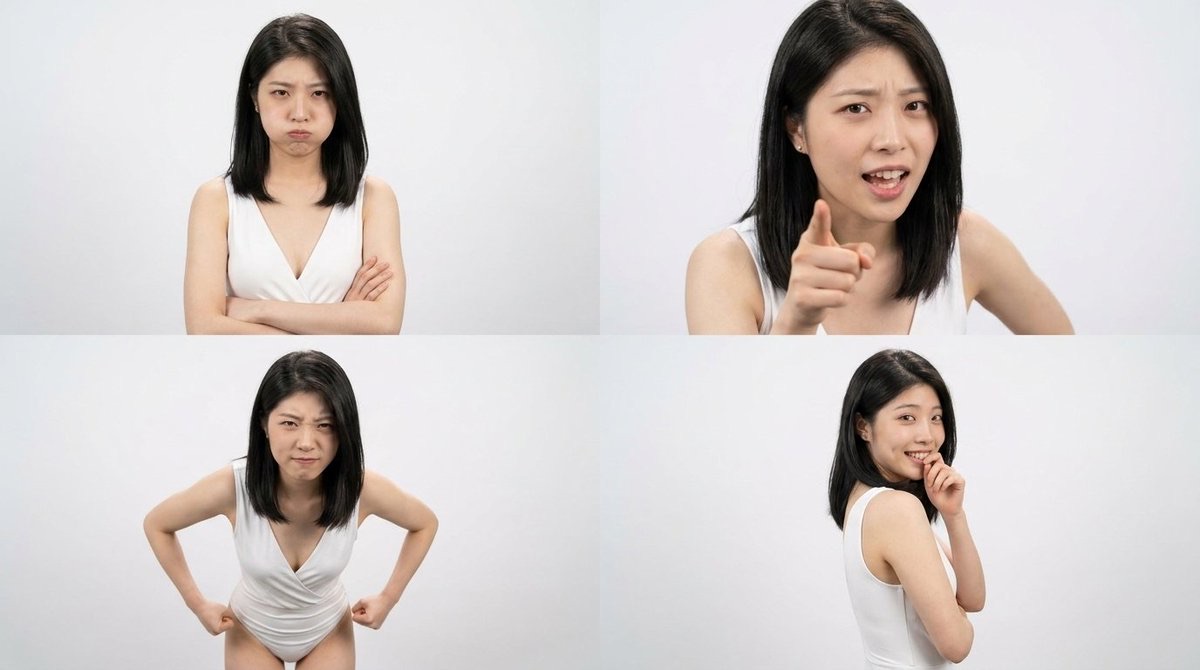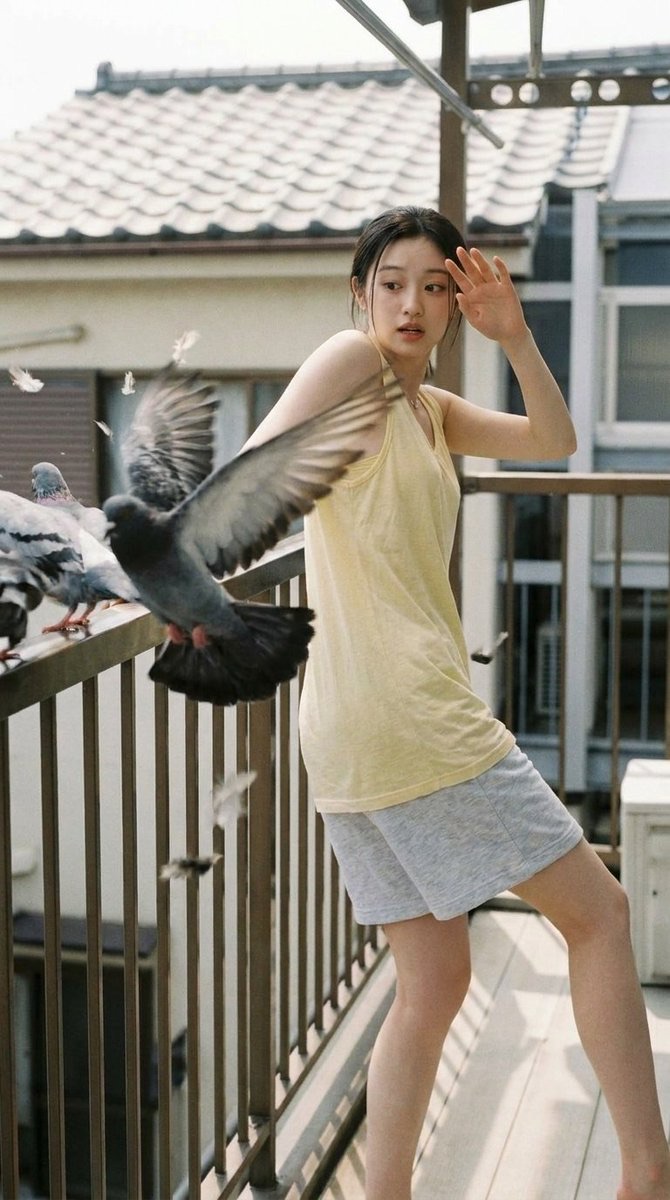
Image · Nano Banana Pro
Turn a Static Photo into an Unexpected Moment
Upload a photo and specify a sudden event, allowing the person to react with directional movement and a shifted center of gravity.
 aisima2046@aisima2046
Prompt
[突发意外事件要求]
Enter a sudden event here, such as: “a bird suddenly flies across the foreground” or “a tiger appears behind the subject.” If left blank, the model will design a reasonable sudden event based on the original scene.
Keep the identity, appearance, hairstyle, clothing, environment, scene structure, and overall visual style consistent with the original image.
Reconstruct the ordinary static photo into a **realistic snapshot capturing 0.1 seconds after the “sudden event occurred.”**
1 | The unexpected event must truly occur
Strictly execute the event defined in [突发意外事件要求].
The event must genuinely exist in the final image; it cannot be implied only through facial expression or body language.
The event’s position, size, direction of movement, and perspective must follow realistic photographic logic and have a natural spatial relationship with the original environment.
If the event involves movement, clearly express its direction and sense of speed.
The event may be located:
In the foreground before the lens
Near the subject
Beside the subject
Behind the subject
In the background
Between the subject and the lens
Freely choose the most visually impactful position according to the nature of the event.

2 | The subject must instinctively react to the event
The subject is not posing, but making a real, unprepared instinctive reaction at the moment the event occurs.
Based on the event’s position, speed, danger level, and direction of movement, automatically design biomechanically plausible actions, such as:
suddenly dodging sideways, leaning backward, leaning forward, turning around, crouching, jumping away, losing balance, making an emergency stop, stepping aside, reaching out to block, shielding the body with both arms, or grabbing a nearby object to maintain balance.
Do not limit the action to “dodging backward.”
Redesign the direction of the subject’s bodily reaction according to the event’s position and trajectory.

3 | The action must have a complete kinetic chain
The subject’s movement must form a complete dynamic transfer from feet → legs → hips → torso → shoulders → arms → head.
Clearly show:
A shift in center of gravity
The distinction between the supporting leg and moving leg
Counter-rotation of the hips and shoulders
The head rapidly turning toward the event
Arms performing protective, blocking, grasping, or balancing actions
Natural inertial movement of clothing, hair, and the body
Avoid a static pose with feet together, standing upright like a model, and hands placed casually.

4 | The facial expression must have a causal relationship with the event
The expression must be an immediate reaction after seeing the sudden event.
Automatically match the emotion to the event:
surprise, shock, alertness, fear, confusion, an exasperated smile, astonishment, instinctive evasion, sudden awareness of danger, being startled, and so on.
Do not intentionally create an exaggerated comedic expression.
Focus on capturing the instant of “What just happened?!”

5 | There must be a clear spatial relationship between the event and the subject
Enhance spatial depth across the foreground, middle ground, and background.
If the event passes beside the subject, bring it into the foreground to create obvious occlusion, a motion trail, and visual impact.
If the event appears behind the subject, ensure that the subject’s head, shoulders, or body is turning toward it.
If the event rapidly enters from the side, shift the subject’s center of gravity in the opposite direction to create an immediate dodge.
If the event is large, adjust the proportions between the subject and event according to perspective.
The reason for the subject’s movement must be visible directly in the image.

6 | The event takes priority over the subject’s action
The final image is not:
“A person is performing a dodging action.”
It is:
“A real event is occurring, and the camera has captured the subject’s immediate reaction to it.”
The event itself must become the secondary visual center of the image.
There must be a clear causal, directional, and spatial relationship between the subject’s action and the event.

7 | Photographic effect
Realistic photography, high shutter speed, instantaneous snapshot.
Preserve natural inertial movement while avoiding indistinct blur.
The image should present natural light and shadow, realistic texture, and the dynamic beauty of a moment frozen in time.
[突发意外事件要求]
在此填写一个突发事件,例如:'一只鸟突然飞过镜头前'、'一只老虎从主体身后出现'等。如果留空,模型将根据原始场景设计一个合理的突发事件。
保持与原始图像一致的身份、外观、发型、服装、环境、场景结构和整体视觉风格。
将普通的静态照片重构为 **捕捉“突发事件发生后的 0.1 秒”的真实快照**。
1 | 意外事件必须真实发生
严格执行 [突发意外事件要求] 中定义的事件。
该事件必须在最终图像中真实存在;不能仅通过面部表情或肢体语言来暗示。
事件的位置、大小、运动方向和透视关系必须符合真实摄影逻辑,并与原始环境具有自然的空间关系。
如果事件涉及运动,需清晰表达其方向和速度感。
事件可以位于:
镜头前景
靠近主体处
主体侧面
主体后方
背景区域
主体与镜头之间
根据事件的性质,自由选择最具视觉冲击力的位置。
2 | 主体必须对事件做出本能反应
主体不是在摆姿势,而是在事件发生的瞬间做出真实的、未经准备的直觉反应。
根据事件的位置、速度、危险程度和运动方向,自动设计符合人体生物力学的动作,例如:
突然侧向躲避、后仰、前倾、转身、低蹲、跳开、失去平衡、紧急停止、跨步闪避、伸手阻挡、双臂护体、抓取附近物体以保持平衡等。
不要将动作局限于“向后躲避”。
根据突发事件的位置和轨迹,重新设计主体身体反应的方向。
3 | 动作必须具有完整的动力链
主体的运动必须形成从脚 → 腿 → 髋 → 躯干 → 肩 → 臂 → 头的完整动态传递。
清晰展示:
重心转移
支撑腿与移动腿的区别
髋部和肩部的反向旋转
头部迅速转向事件方向
手臂执行保护、阻挡、抓取或平衡动作
衣物、头发和身体的自然惯性运动
避免像模特那样双脚并拢直立、双手随意放置的静态姿势。
4 | 面部表情必须与事件有因果关系
表情必须是看到突发事件后的即时反应。
根据事件自动匹配情绪:
惊讶、震惊、警觉、恐惧、困惑、无奈的笑、惊愕、本能躲避、突然意识到危险、受惊等。
不要故意做出夸张的喜剧表情。
重点在于捕捉“刚才发生了什么?!”这一瞬间。
5 | 事件与主体之间有清晰的空间关系
增强前景、中景和背景的空间深度。
如果事件经过主体身边,让其进入前景以产生明显的遮挡、运动轨迹和视觉冲击。
如果事件从主体身后出现,确保主体的头部、肩部或身体正转向它。
如果事件从侧面快速进入,将主体的重心向相反方向偏移以实现即时躲避。
如果事件体积较大,根据透视关系调整主体与事件之间的比例。
主体运动的原因必须直接从图像中可见。
6 | 事件优先于主体动作
最终图像不是:
“一个人正在做躲避动作。”
而是:
“一个真实的事件正在发生,相机捕捉到了主体对其的即时反应。”
事件本身必须成为画面的次要视觉中心。
主体的动作与事件之间必须有清晰的因果、方向和空间关系。
7 | 摄影效果
写实摄影,高快门速度,瞬时快照。
保留自然的惯性运动,但避免模糊不清。
画面应呈现出自然的光影、真实的质感以及瞬间凝固的动态美感。
How to use
In the source image, a bird flies across the foreground in front of the person, who turns sideways and raises a hand in response. An original photo must be provided, and the event description should be replaced with a specific event; the image depicts a composited scenario, not proof that the event actually occurred.