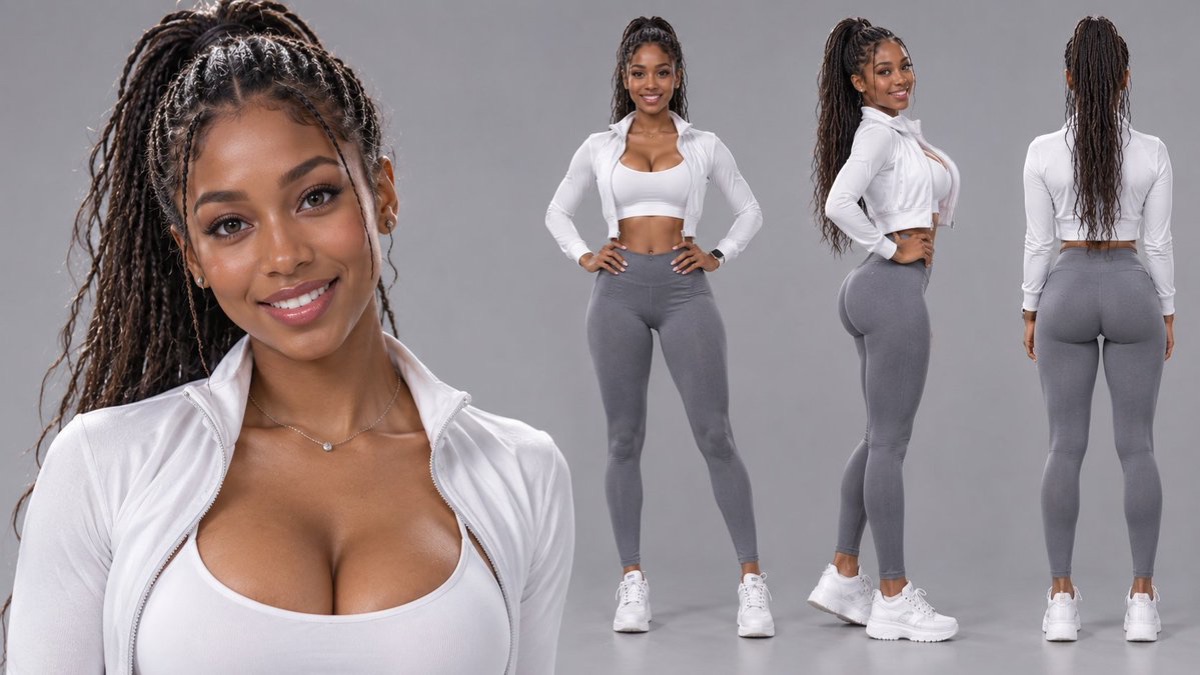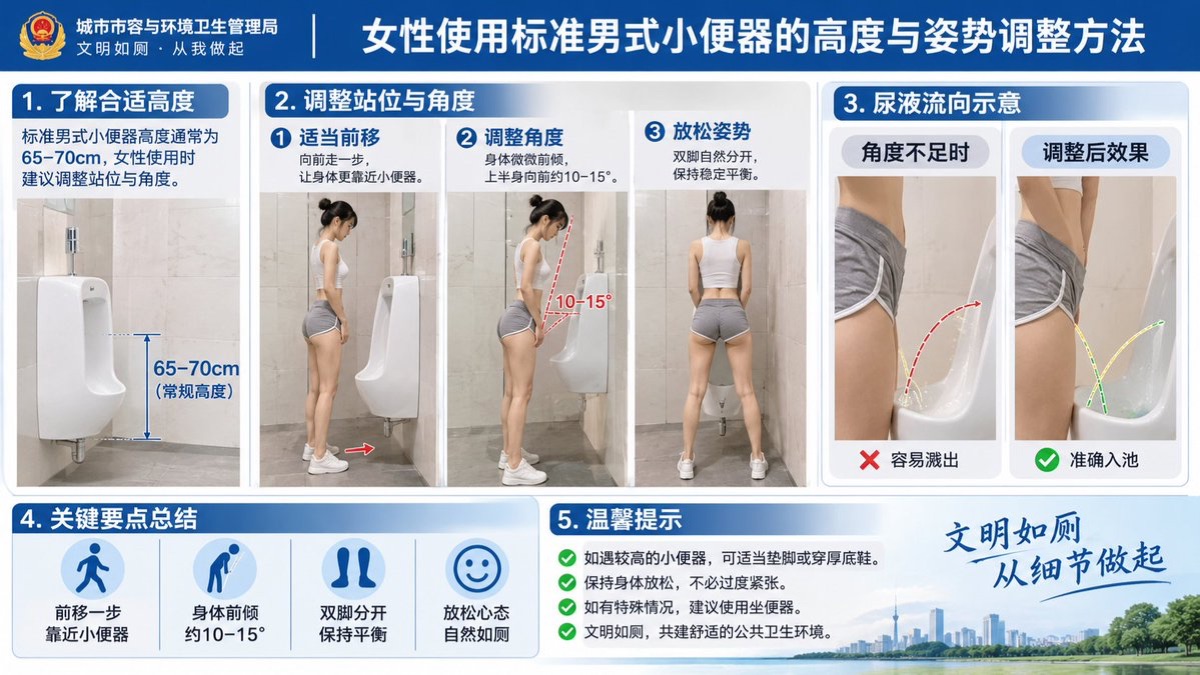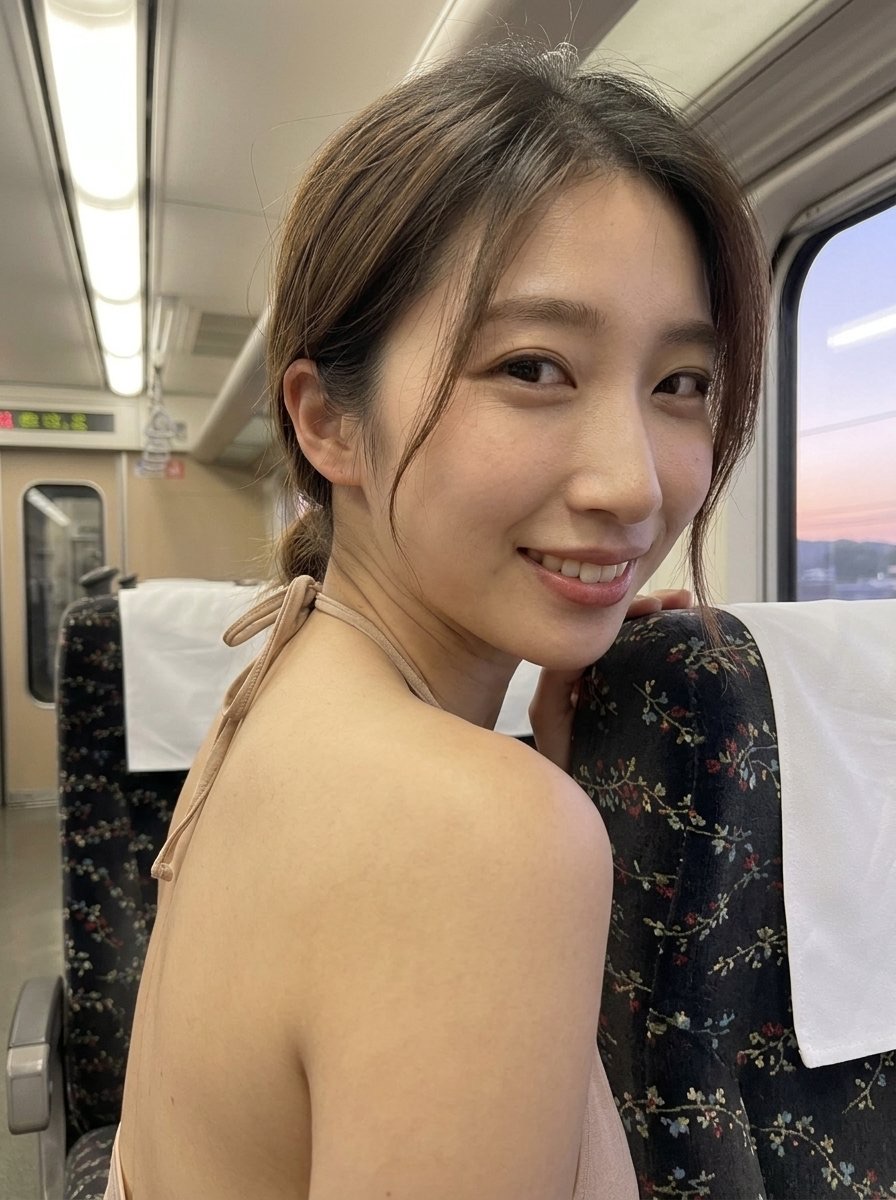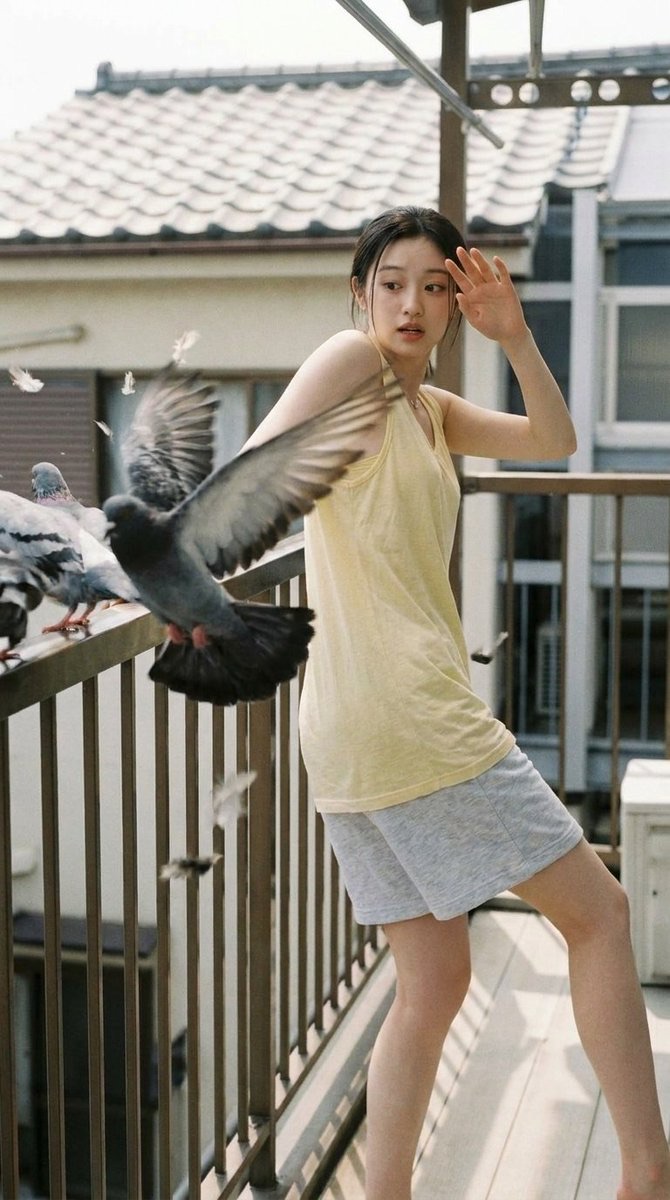
Image
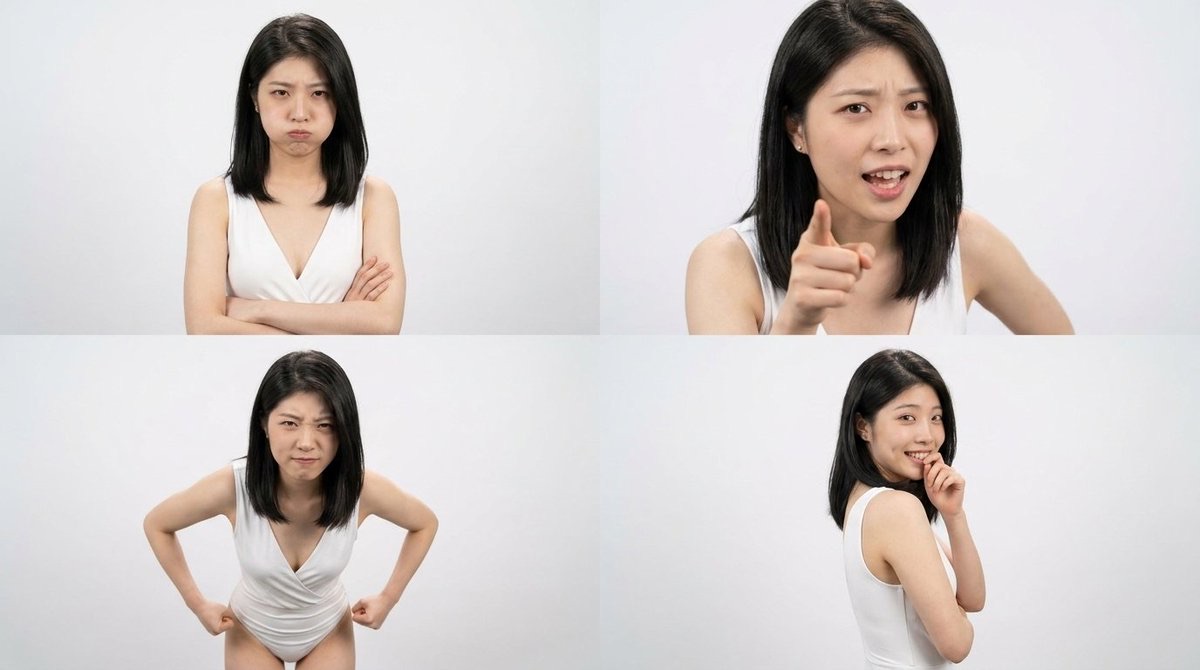
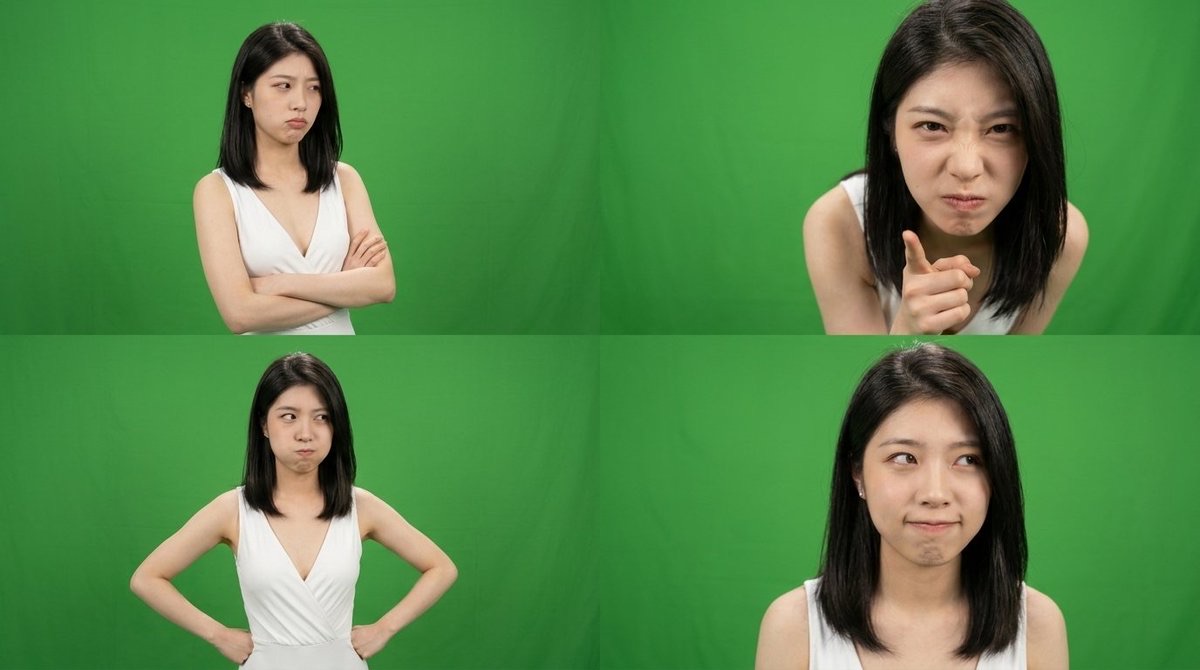
Girlfriend's Playfully Fierce Four-Panel Mood Portrait
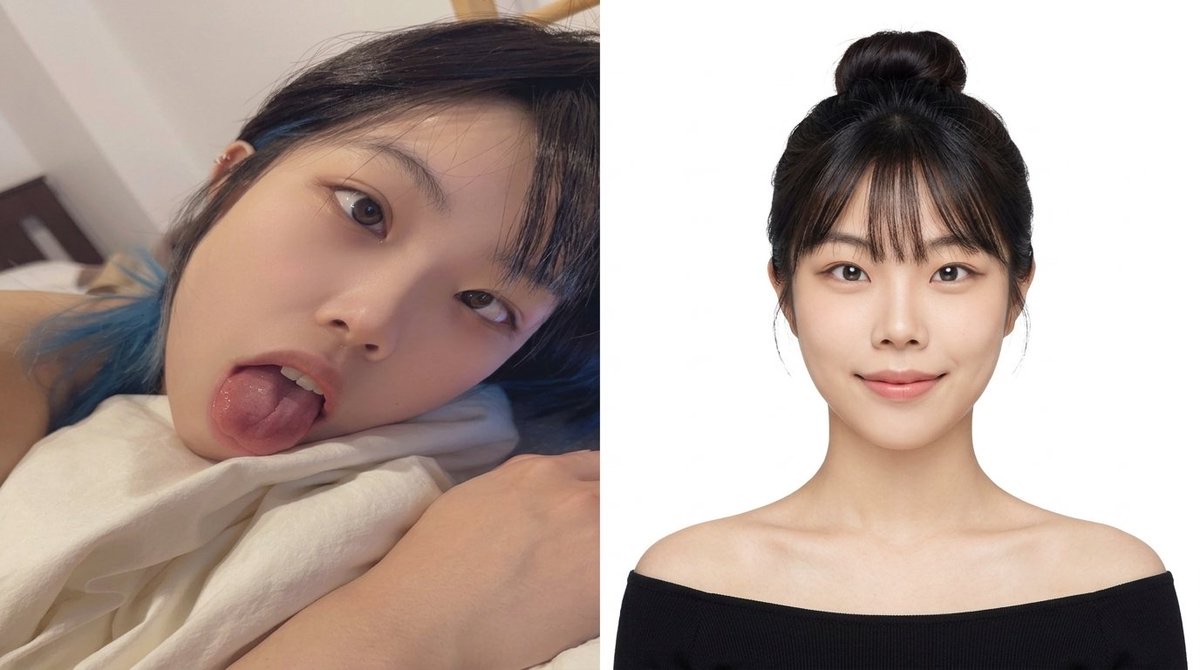
Based on the user-uploaded reference image, generate a 2×2 four-panel mood portrait of the same person, expressing playful, strongly contrasting moments of "fierce but cute" through different actions, camera angles, and intimate interactions.
 aisima2046@aisima2046
Prompt
↘️↘️↘️↘️
Based on the reference image I uploaded, create a **2×2 four-panel creative mood portrait of a "fierce girlfriend"**.

{
  "objective": "Naturally portray the person in the reference image as a girlfriend-fierce series with a sense of real couple interaction, rich emotional shifts, and strong cute contrast. Do not simply change the expression or repeat the same action; instead, let the AI independently conceive four distinct fierce moments based on the person's characteristics, emotional logic, body language, and visual expressiveness.",

  "reference_image_usage": {
    "identity": "The reference image is the sole basis for the person's identity and appearance. Preserve the original face shape, facial features, hairstyle, hair color, apparent age, skin tone, body type, clothing, accessories, and overall recognizability of the person.",
    "style": "Respect the original style of the reference image, whether real photography, illustration, anime, or 3D render; do not arbitrarily change the person's visual type.",
    "creative_freedom": "Without changing the person's identity, fully exercise creativity in expressions, actions, body posture, shooting angles, and scenario design. Do not mechanically copy the original pose in the reference image.",
    "consistency": "The four panels must show the same person, maintaining consistency of identity, clothing, hairstyle, and image texture."
  },

  "creative_engine": {
    "core_principle": "Being fierce-cute is not a single expression, but a behavioral expression within an intimate relationship that carries cuteness, emotional tension, drama, and interactive meaning.",
    "behavioral_logic": "Drawing on behavioral cues from real couples, such as slight displeasure, playful protest, jealousy, competing for attention, pretend threats, being stubborn but soft-hearted, demanding attention, and fighting back after being teased, independently design reasonable and vivid scenarios. The above are only creative directions, not a fixed action checklist.",
    "expression_language": "Comprehensively use eyes, eyebrows, mouth shape, cheeks, head angle, shoulder and neck posture, body weight, arm movement, and the distance between the person and the camera to convey emotion. Expressions and body movements must echo each other.",
    "contrast_effect": "Create natural contrast between assertiveness and coyness, seriousness and comedy, displeasure and cuteness, and threatening posture and harmless charm. You may show being stubborn but soft-hearted, or a truly commanding little temper; do not let every panel become the same kind of coquetry.",
    "automatic_decision": "The AI independently decides the four different emotion and action combinations best suited to this person; no specific actions need to be specified by the user. Bold creativity is allowed, but each panel must have a clear behavioral motivation, recognizable emotion, and natural body logic."
  },

  "four_panel_design": {
    "layout": "Strictly use a 2 column × 2 row four-panel layout, with all four panels the same size, the person clearly visible, complete composition, and simple dividers.",
    "panel_1": "Show a fierce moment with striking visual impact. It may be a sudden anger, an assertive challenge, clenched fists poised to strike, or another forceful action, but do not default to clenched fists in every panel.",
    "panel_2": "Show emotional protest with intimate relationship meaning. Express displeasure, jealousy, competing for attention, or demanding attention through eyes, expression, posture, and action, giving the panel a vivid sense of story.",
    "panel_3": "Show body language clearly different from the first two panels. Arms may be crossed, hands placed on hips, pointing at someone, gently pushing the camera's direction, puffing cheeks, turning the head, stomping, or other reasonable actions. The key is that the action has a natural emotional motivation, rather than copying the examples.",
    "panel_4": "Show a closing moment with contrast or unexpected humor. It may be fiercely threatening but suddenly looking wronged, pretending to ignore someone but unable to resist looking back, fiercely demanding comfort, or another ending the AI conceives independently. Avoid forcing a fixed plot reversal formula.",
    "diversity_rule": "The four panels above only define emotion and narrative function; they are not rigid action templates. The AI may freely adjust specific plots, but must ensure that the four panels clearly differ in main action, body posture, emotional intensity, gaze direction, or camera language."
  },

  "pose_and_camera": {
    "pose": "Freely design natural, expressive body poses for each panel's situation. Standing, seated, leaning forward, side-on, turning the head, moving close to the camera, arms crossed, reaching out to interact, and other reasonable poses are allowed; do not limit to raising hands or clenching fists.",
    "camera": "Choose a suitable close-up, medium close-up, half-body, or full-body composition that shows key actions based on the movement. Slight low camera angles, close-range perspective, three-quarter side views, and slight high angles may be used to enhance the sense of interaction.",
    "interaction": "The person may look directly at the camera, as if expressing emotion to the audience or to a lover on the other side of the camera; depending on the situation, they may also glance sideways, look back, glare with lowered head, or temporarily avoid eye contact.",
    "naturalism": "Prioritize coherent movement, plausible joints, natural hands, and believable body weight. Exaggeration may exist within emotion and performance, but do not distort the body or let movement lose everyday logic."
  },

  "visual_style": {
    "priority": "The original visual style of the reference image takes precedence.",
    "mood": "Cute, lively, intimate, and playful, with moderate dramatic tension and natural humor.",
    "photography": "If the reference image is a real photo, maintain real photographic texture, natural skin texture, plausible light and shadow, and believable spatial perspective.",
    "background": "Keep the background simple and harmonious; the four panels need not be identical. The AI may adjust slight environmental details according to the situation, but must not overpower the subject.",
    "composition": "The person's expressions and key body movements must be clearly recognizable. Each of the four panels should be readable on its own, while together forming a rhythmic series of emotions."
  },

  "social_media_appeal": {
    "instant_readability": "Each panel should convey its main emotion quickly even at thumbnail size.",
    "meme_potential": "Prioritize designing clear emotional symbols, dramatic moments, and sticker-like images suitable for everyday chat.",
    "storytelling": "The four panels may form an emotional progression, a situational switch, or an unexpected contrast, but do not force the same narrative order.",
    "originality": "Avoid common templated influencer expressions and mechanical posing. Make the movements look like the person genuinely felt an emotion in a moment and reacted immediately."
  },

  "negative_constraints": [
    "Do not let all four panels use clenched-fist readiness, hands on hips with a glare, or the same fixed pose.",
    "Do not change only the mouth shape, eyebrows, or gaze while repeating the same body movement.",
    "Do not simply equate fierce-cute with anger, irritability, or aggressive behavior.",
    "Do not use the same camera position, facial angle, and body orientation in every panel.",
    "Do not include stiff gestures, meaningless body placement, or movements that violate human anatomy.",
    "Do not exaggerate to the point of losing the person's original identity traits and visual style.",
    "Do not portray intimate interactions as horror, cruelty, or real harm scenes.",
    "Do not add large blocks of text, speech bubbles, emoji, watermarks, or decorative titles.",
    "Do not crop key expressions or core actions due to the four-panel layout."
  ],

  "self_check": {
    "identity": "Do the four panels keep the same reference person?",
    "diversity": "Do the four panels have clearly different actions, emotional expressions, or camera language?",
    "behavior": "Does each pose match the emotion and situation it expresses?",
    "contrast": "Does it show the cuteness, emotional tension, and natural contrast of being fierce?",
    "readability": "Can each panel independently become a clear, interesting sticker?",
    "layout": "Is it a complete 2×2 four-panel layout, strictly?"
  },
  "final_goal": "Generate a high-completion girlfriend-fierce four-panel with rich action variety and strong character expressiveness. Preserve the person's identity and visual style from the reference image, while letting the AI freely exercise creativity through different situations, expressions, actions, and camera work, presenting a lively, real, playful girlfriend image who has temper yet is cute. The four panels should not be four variants of the same action, but four self-contained, mutually distinct moments that make viewers smile in recognition."
}
↘️↘️↘️↘️
请基于我上传的参考图进行生成,创作一张 **2×2 四宫格的「女友奶凶」创意情绪写真**。
{
"objective": "将参考图中的人物自然演绎为具有真实情侣互动感、丰富情绪变化和强烈反差萌的女友奶凶系列。不是简单更换表情或重复同一种动作,而是让 AI 根据人物特征、情绪逻辑、肢体语言和画面表现力,自主构思四个不同的奶凶瞬间。",
"reference_image_usage": {
"identity": "参考图是人物身份与外形的唯一依据。保留原有脸型、五官、发型、发色、年龄观感、肤色、体型、服装、配饰及整体人物识别度。",
"style": "尊重原图的真实摄影、插画、动漫或 3D 渲染风格,不擅自改变人物的视觉类型。",
"creative_freedom": "在不改变人物身份的前提下,充分发挥表情、动作、身体姿态、拍摄角度和情境设计的创意。不要机械复刻参考图中的原始姿势。",
"consistency": "四个画面必须是同一个人物,保持身份、服装、发型、画面质感的一致性。"
},
"creative_engine": {
"core_principle": "奶凶不是单一表情,而是亲密关系中带有可爱感、情绪张力、戏剧性和互动意味的行为表达。",
"behavioral_logic": "结合真实情侣相处时的轻微不满、撒娇抗议、吃醋、争宠、假装威胁、嘴硬心软、要求关注、被逗弄后的反击等行为线索,自主设计合理且生动的情境。以上仅为创意方向,不是固定动作清单。",
"expression_language": "综合运用眼神、眉毛、嘴型、脸颊、头部角度、肩颈状态、身体重心、手臂动作和人与镜头之间的距离传达情绪。表情和肢体动作必须相互呼应。",
"contrast_effect": "在强势与娇憨、认真与滑稽、不满与可爱、威胁姿态与无害气质之间制造自然反差。可以表现嘴硬心软,也可以表现真正有气势的小脾气,不要让每个画面都变成同一种撒娇。",
"automatic_decision": "AI 自主判断最适合该人物的四种不同情绪与动作组合,不需要用户指定具体动作。允许大胆创意,但每个画面必须具有清晰的行为动机、可辨认的情绪和自然的身体逻辑。"
},
"four_panel_design": {
"layout": "严格采用 2 列 × 2 行的四宫格布局,四个画面大小一致,人物清晰,构图完整,分隔简洁。",
"panel_1": "展现一个具有鲜明视觉冲击力的奶凶瞬间。可以是突然生气、强势质问、握拳蓄势或其他有力度的动作,但不得默认所有画面都采用握拳姿势。",
"panel_2": "展现具有亲密关系意味的情绪抗议。通过眼神、表情、姿态和动作表现不满、吃醋、争宠或要求关注,让画面具有鲜明的故事感。",
"panel_3": "展现与前两格明显不同的肢体表达。可以利用抱臂、叉腰、指人、轻推镜头方向、鼓脸、扭头、跺脚或其他合理动作,重点是动作具有自然的情绪动机,而不是照抄示例。",
"panel_4": "展现具有反差感或意外幽默感的收尾瞬间。可以是气势汹汹却突然露出委屈、假装不理人却忍不住回头、凶巴巴地索要安慰,或 AI 自主构思的其他结尾。避免强制使用固定的反转套路。",
"diversity_rule": "以上四格仅规定情绪和叙事功能,不是僵化的动作模板。AI 可以自由调整具体情节,但必须保证四格在主要动作、身体姿态、情绪强度、视线方向或镜头语言上存在明显区别。"
},
"pose_and_camera": {
"pose": "根据每格情境自由设计自然、有表现力的身体姿态。允许站立、坐姿、俯身、侧身、转头、靠近镜头、抱臂、伸手互动以及其他合理姿势,不要局限于举手或握拳。",
"camera": "根据动作选择合适的近景、中近景、半身或能够展示关键动作的全身构图。可以使用轻微低机位、近距离透视、三分之四侧面、略微俯拍等变化,增强互动感。",
"interaction": "人物可以直视镜头,仿佛正在向观众或镜头另一侧的恋人表达情绪;也可以根据情境侧目、回眸、低头瞪人或暂时避开视线。",
"naturalism": "优先保证动作连贯、关节合理、手部自然、重心可信。夸张可以存在于情绪与表演中,但不要让身体变形或动作失去生活逻辑。"
},
"visual_style": {
"priority": "以参考图原有的视觉风格为准。",
"mood": "可爱、鲜活、亲密、俏皮,带有适度戏剧张力和自然的幽默感。",
"photography": "如果参考图是真人照片,保持真实摄影质感、自然皮肤纹理、合理光影与可信的空间透视。",
"background": "背景保持简洁、协调,不必四格完全相同。允许 AI 根据情境调整轻微的环境细节,但不得喧宾夺主。",
"composition": "人物表情和关键肢体动作必须清晰可辨。四格既能独立阅读,又能共同组成一个有节奏的情绪系列。"
},
"social_media_appeal": {
"instant_readability": "每格在缩略图尺寸下也应能迅速读出主要情绪。",
"meme_potential": "优先设计具有鲜明情绪符号、戏剧性瞬间和可用于日常聊天的表情包画面。",
"storytelling": "四格之间可以形成情绪递进、情境切换或出乎意料的反差,但不要强制采用相同的叙事顺序。",
"originality": "避免常见的模板化网红表情和机械摆拍。让动作看起来像人物真的在某个瞬间产生了情绪,并立即作出反应。"
},
"negative_constraints": [
"禁止四格全部采用握拳蓄力、叉腰瞪眼或同一种固定姿势。",
"禁止只改变嘴型、眉毛或眼神,却重复相同的身体动作。",
"禁止将奶凶简单等同于愤怒、暴躁或攻击行为。",
"禁止所有画面都使用相同的机位、脸部角度和身体朝向。",
"禁止僵硬的手势、无意义的肢体摆放、违反人体结构的动作。",
"禁止过度夸张到失去人物原本的身份特征和视觉风格。",
"禁止将亲密互动演绎成恐怖、残酷或真实伤害场景。",
"禁止添加大段文字、对话气泡、表情符号、水印或装饰性标题。",
"禁止因四宫格布局而裁掉关键表情或核心动作。"
],
"self_check": {
"identity": "四格是否保持同一个参考人物?",
"diversity": "四格是否拥有明显不同的动作、情绪表达或镜头语言?",
"behavior": "每个姿势是否符合其表达的情绪与情境?",
"contrast": "是否体现奶凶的可爱感、情绪张力与自然反差?",
"readability": "每格是否都能独立成为一张清晰、有趣的表情包?",
"layout": "是否严格为完整的 2×2 四宫格?"
},
"final_goal": "生成一张具有高完成度、丰富动作变化和强烈人物表现力的女友奶凶四宫格。保留参考图中的人物身份与视觉风格,同时让 AI 自主发挥创意,通过不同的情境、表情、动作和镜头表现,呈现一个鲜活、真实、俏皮、有脾气又可爱的女友形象。四格不能只是同一个动作的四种变体,而应当是四个各自成立、彼此不同、令人会心一笑的瞬间。"
}
How to use
Usage tip: After uploading one clear reference image of a single person, pass the prompt to an image model that supports reference image input. Prefer models that can handle multi-panel compositions and person consistency, and after generation check whether the four panels are distinct in action, whether the hand structure is correct, and whether key expressions are complete.
Details
- Type
- Image
- Source
- aisima2046
- License
- Source-author-rights
- Published