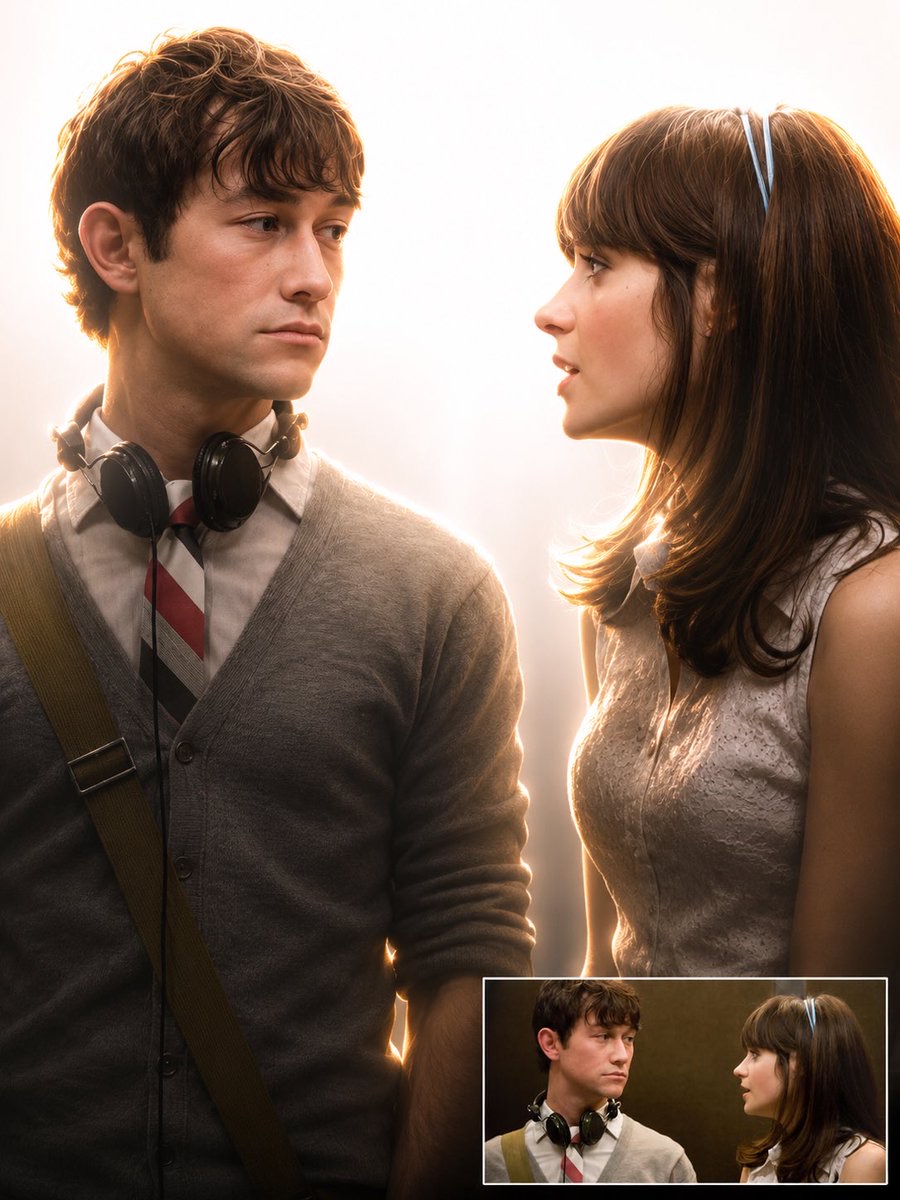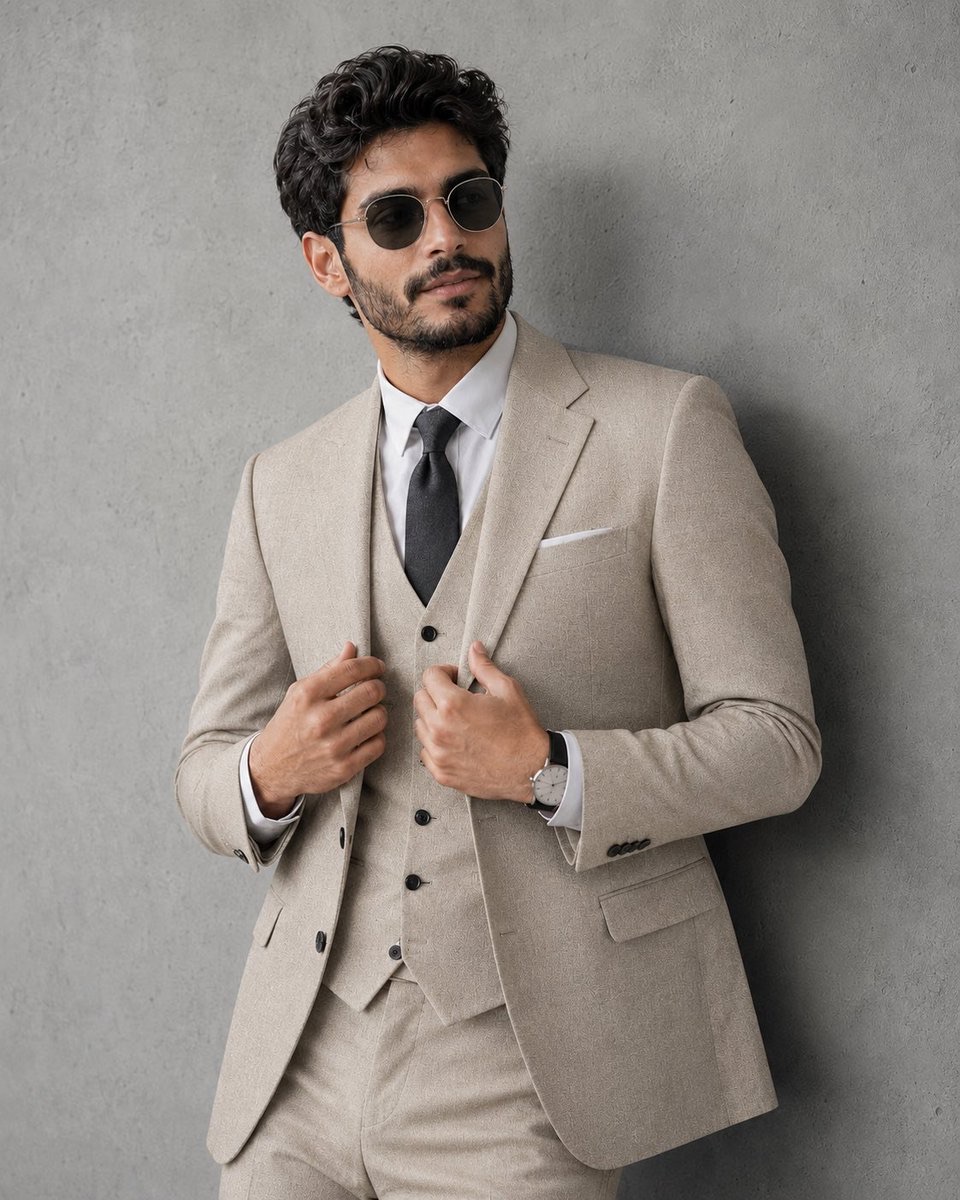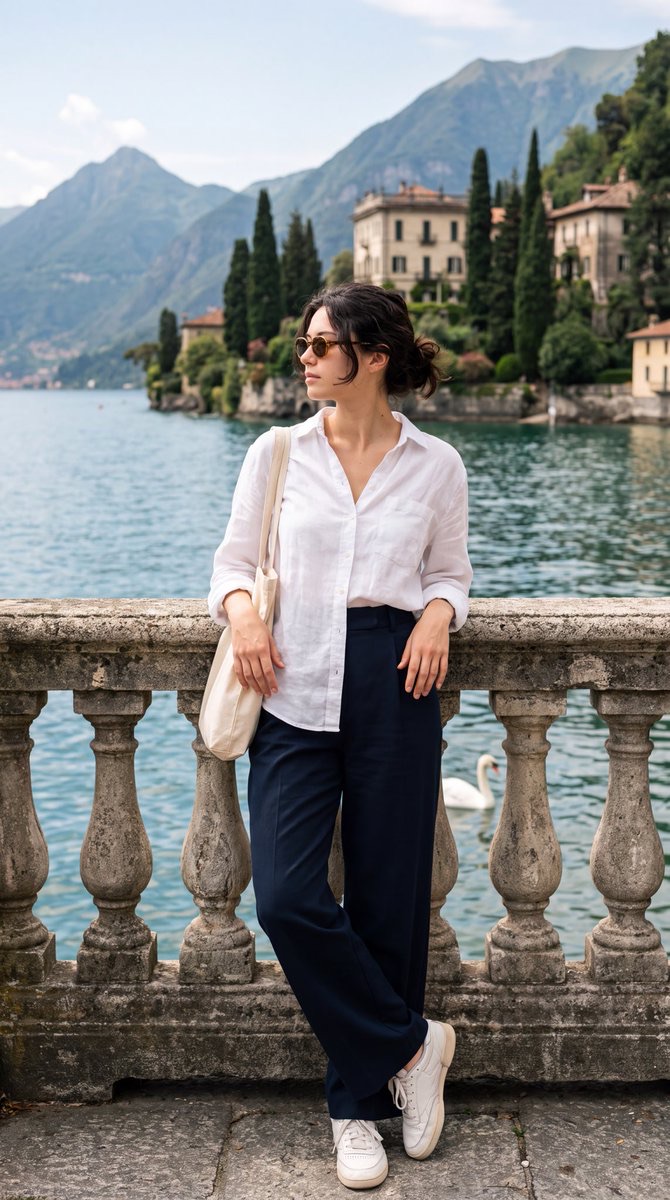
Image · GPT Image 2.5
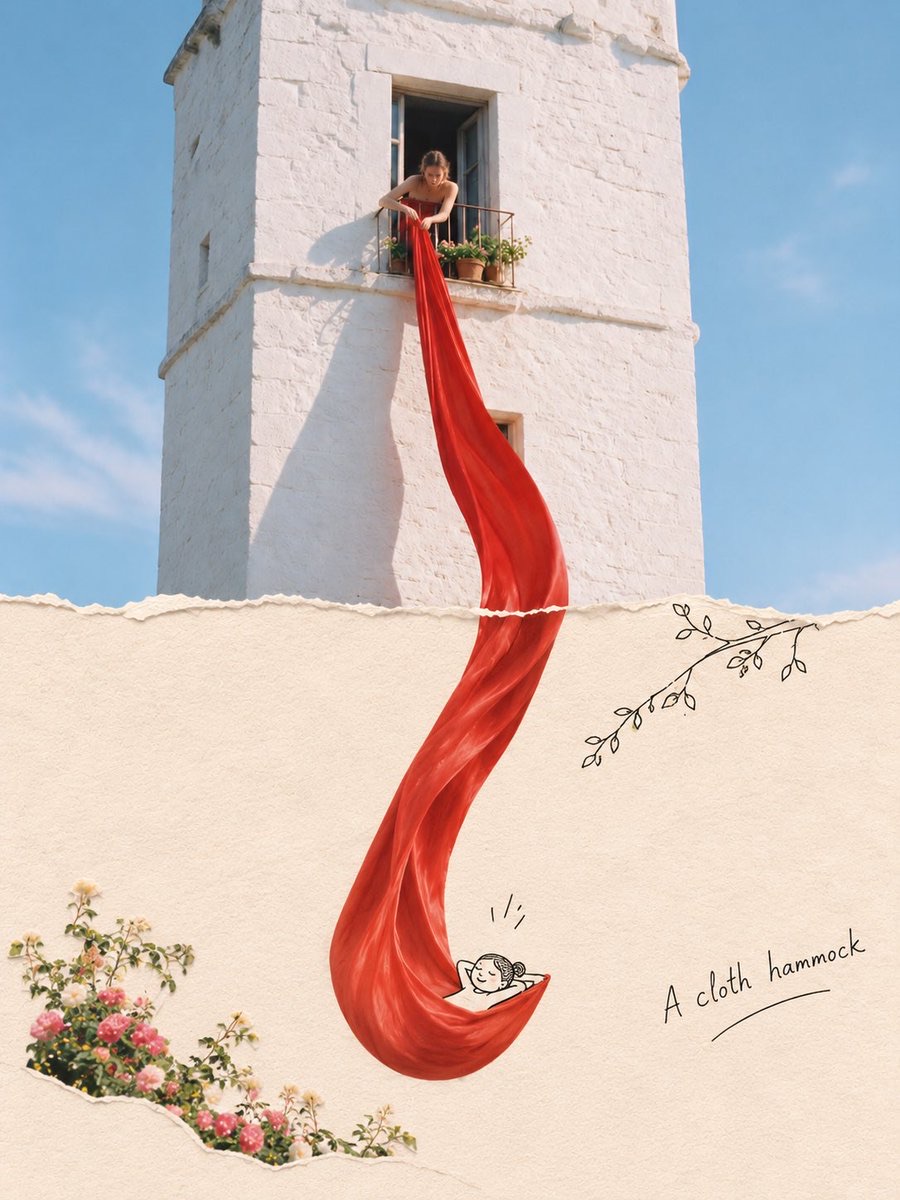
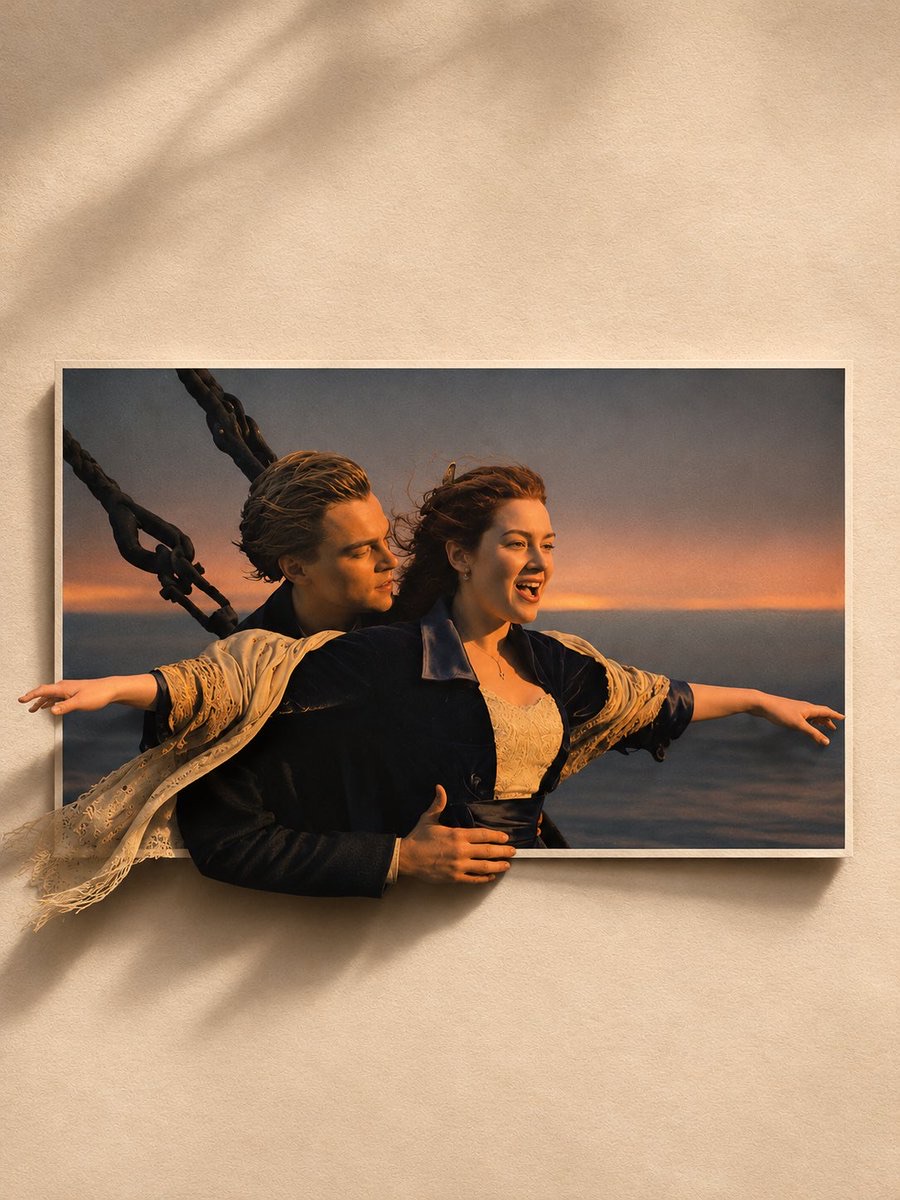
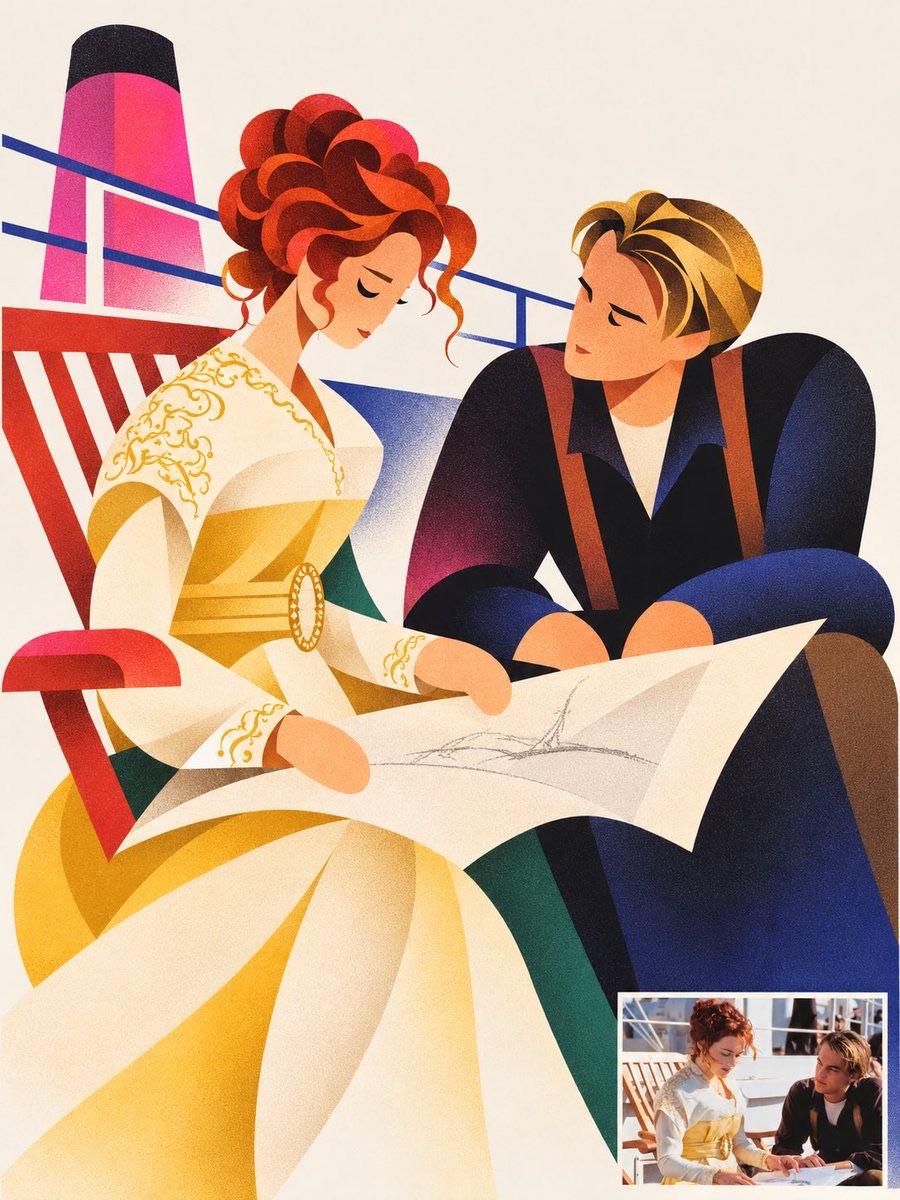
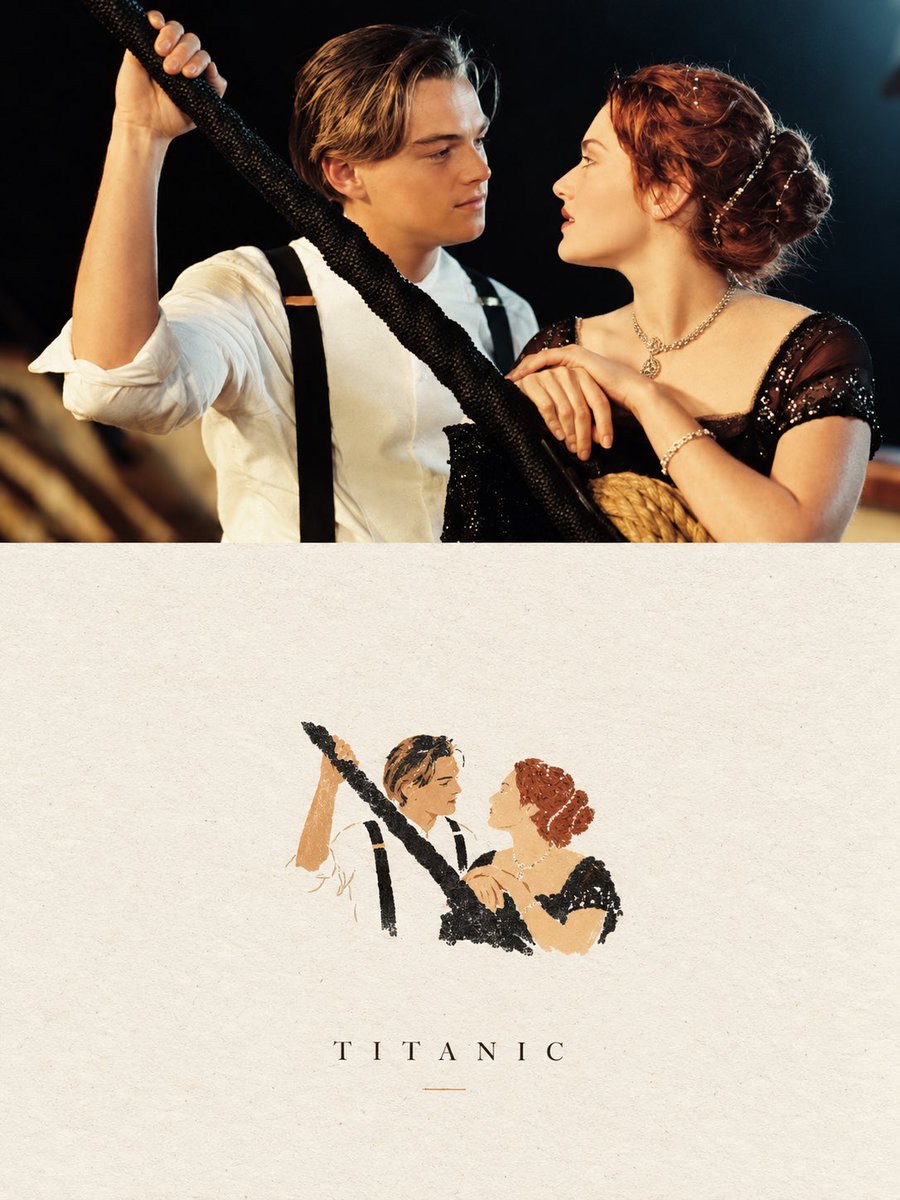
Dual-Layer Negative Space: Photography and Handmade Paper Imagery Poster
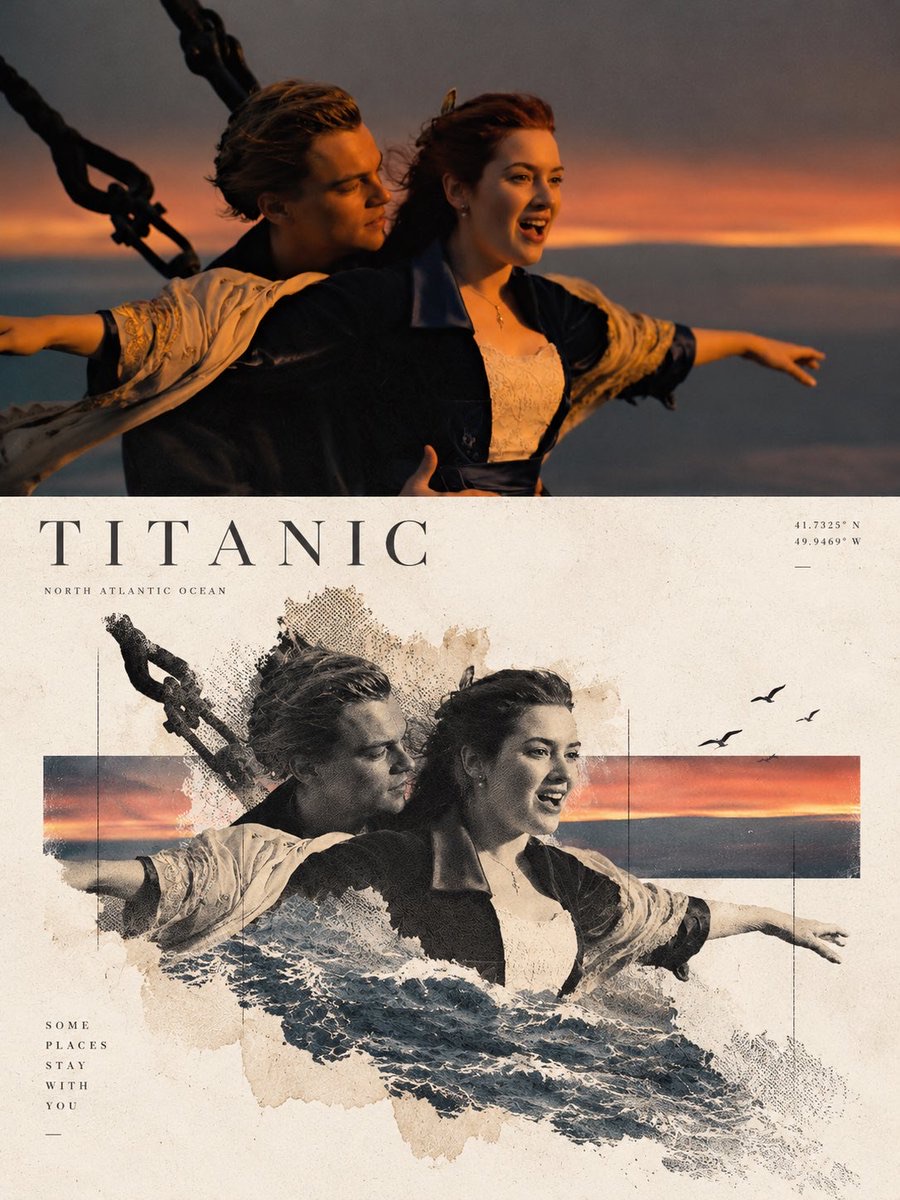
Keep the uploaded photo as the main visual in the upper half, and add small, limited-palette hand-drawn paper illustrations in the lower half, creating a restrained, tactile poster in the style of an art-book cover.
 Weinberg@weiinberg
Prompt
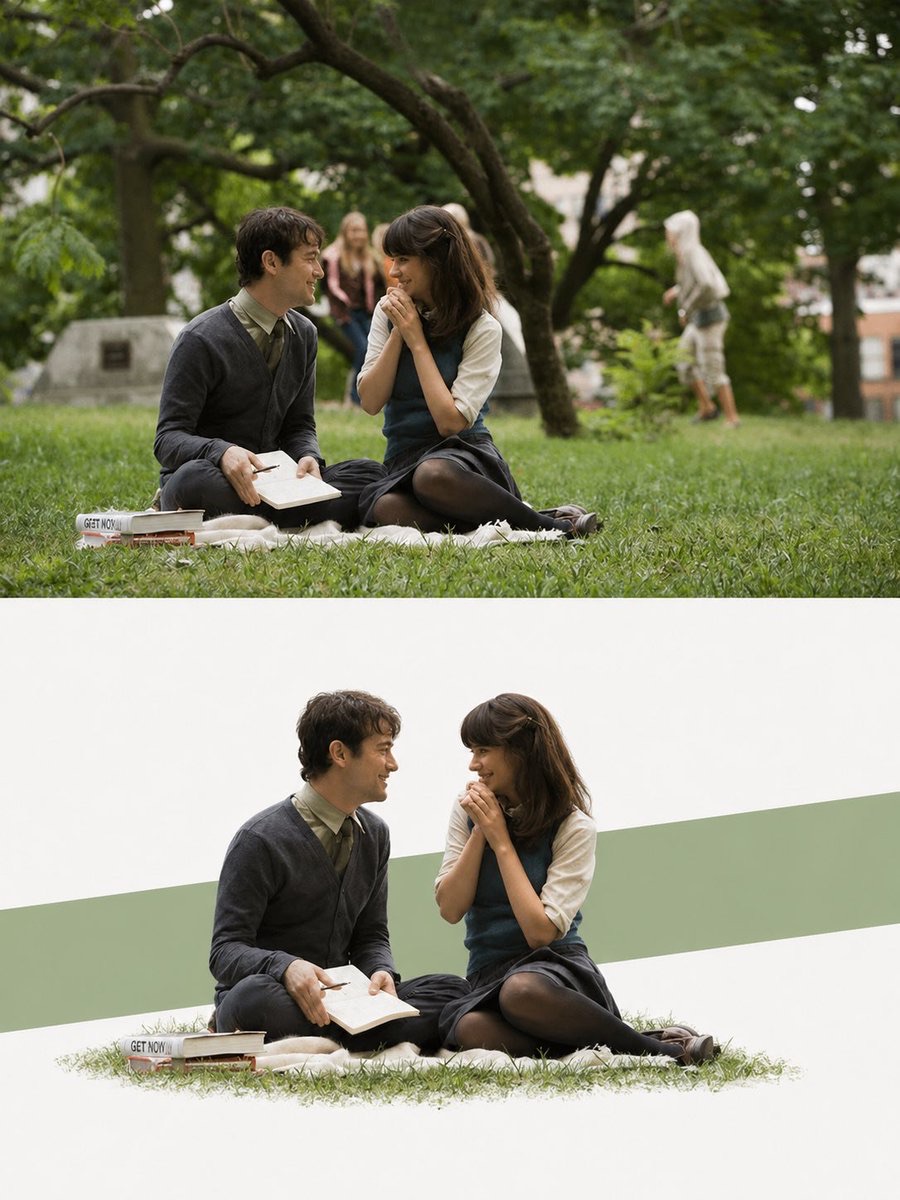
Create a sophisticated 3:4 vertical editorial art poster based directly on the uploaded photograph. Divide the composition into two equal horizontal panels.

Upper panel: retain the photograph as the primary visual, preserving the people, facial appearance, pose, wardrobe, props, lighting, atmosphere, colors, and photographic realism. Do not reinterpret or substantially alter the scene. Apply only a restrained, high-end editorial grade with subtle tonal refinement and natural film-like texture.

Lower panel: create a very small, centered handmade-paper interpretation of the key visual relationship from the photograph. Reduce the recognizable figures and essential gesture into an understated graphic illustration made from delicate, slightly irregular hand-drawn contours and a few strong, flat acrylic-style shapes. Use organic imperfections, softly fibrous paper texture, and naturally uneven edges. Limit the artwork to a maximum of four colors sampled or closely derived from the original photograph.

Keep this illustrated element intentionally tiny—approximately 10–20% of the lower panel—and surround it with generous warm ivory/off-white negative space. If typography is included, use only restrained, sophisticated editorial type with minimal visual weight.

The finished piece should resemble a quiet independent art-book cover or gallery print: poetic, restrained, tactile, elegant, and premium. Favor simplicity, subtle imperfections, and visual breathing room over decoration.

Avoid: cartoon aesthetics, watercolor effects, colored-pencil rendering, 3D elements, glossy finishes, excessive detail, busy compositions, commercial advertising aesthetics, or overly polished digital illustration.
How to use
Usage tip: Upload a photo of a person or scene as a reference, keep the photo's subject and mood, then have the model generate a 3:4 vertical format split evenly into top and bottom halves, with the small illustration occupying 10–20% of the lower half. Suited to art-book covers, gallery posters, or independent publishing visuals.