Image
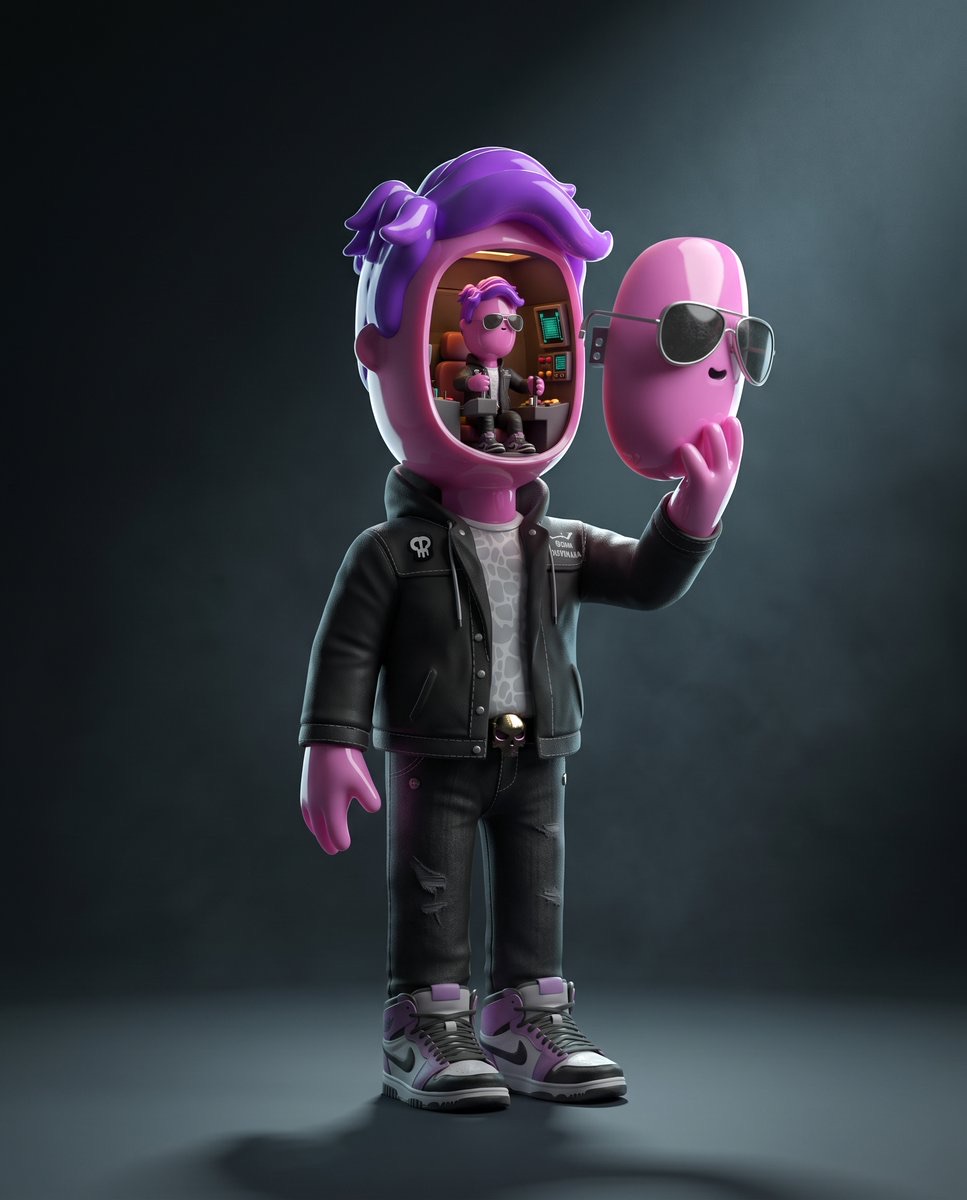
Miniature Self-Piloting Cockpit Beneath a Character Mask
Show the uploaded character in a cinematic full-body shot, removing a thin facial mask to reveal a miniature internal control cabin piloted by the same character.
 Edizkan ⭕🦇@edizkan_
Prompt
Create a cinematic full-body image of the uploaded reference character removing a thin mask from its own face, revealing a tiny control chamber inside the head where a miniature version of the exact same character is operating the body.

## Likeness Integrity

Preserve the uploaded character’s exact:

* head-to-body proportions
* eye shape and spacing
* silhouette
* anatomy
* clothing and accessories
* original colors
* material identity
* overall design language

Do not humanize.

Do not alter the character’s facial structure.

The miniature pilot must be an exact smaller instance of the same character, preserving identical proportions, eyes, silhouette, materials, colors, and design.

No redesign of either version.

## Core Concept

The main character is shown completely full body.

With one hand or equivalent limb, it has removed a **thin face-only mask** from the front of its head.

The removed mask contains only the familiar exterior face.

It does NOT include:

* top of head
* ears
* hair
* helmet shell
* side of head
* back of head
* neck

Behind the mask is not another normal face.

Instead, the front of the head opens into a miniature cockpit-like interior.

Inside this chamber sits a **tiny exact version of the same character**, actively controlling the larger body.

The reveal should instantly communicate:

**the giant character is actually being piloted by a miniature version of itself.**

## Miniature Pilot

The tiny character sits or stands inside the head cavity at a compact control station.

The pilot is clearly visible through the opened facial area.

Scale:

The miniature character should be roughly small enough to fit comfortably inside the main head while remaining readable.

The tiny pilot must retain the exact original character design.

No simplified chibi version.

No generic operator.

No human pilot.

The small character is actively working:

* one hand operating a control lever
* the other touching a compact control panel
* body leaning slightly forward
* eyes focused on the controls or looking outward through the opening

The pilot should feel busy and intentional, not merely sitting inside.

## Control Chamber

The interior should feel custom-built around the character’s own design language.

Include restrained details such as:

* miniature control levers
* tiny buttons
* compact screens
* articulated mechanical linkages
* small cables
* subtle indicator lights
* interior structural ribs
* miniature seat or standing platform

Do not turn it into a generic spaceship cockpit.

The chamber should feel like a hidden biological-scale command center built specifically inside this character.

Use shapes, materials, and accent colors inspired subtly by the uploaded character.

## Mask Interaction

The main character holds the removed face mask beside the head by one edge.

The mask must remain visibly thin.

Its outer side displays the exact familiar face.

Its backside reveals subtle attachment details:

* tiny clips
* magnetic contacts
* connection points
* mechanical hinges or locking tabs

Keep clear visual separation between:

**mask → gripping hand → open head → miniature pilot**

Do not merge these elements.

## Hand Accuracy

Preserve the exact hand or limb structure of the uploaded character.

Preserve the exact finger count.

No extra fingers.

No fused fingers.

No duplicated fingers.

No fingers intersecting the mask.

The hand must grip only the outer edge of the face mask naturally.

## Full-Body Pose

The main body is caught immediately after removing the face mask.

Pose:

* torso rotated slightly
* head tilted toward the removed mask
* one shoulder raised
* weight supported mostly by one leg
* opposite leg placed slightly back or outward
* free arm hanging lower or extended subtly for balance

The body should feel momentarily paused, as though the pilot has stopped the machine to reveal itself.

Avoid a neutral mannequin pose.

## Camera & Perspective

Use a low, slightly off-axis cinematic camera.

28–35mm lens.

Camera placed around knee height, looking gently upward.

Full body completely visible.

No cropped feet.

Character occupies approximately 70–75% of vertical frame.

Place the main character slightly off-center.

The raised mask creates tension on one upper side of the frame while the cockpit opening becomes the primary focal point.

## Depth of Field

Primary focal plane:

**miniature pilot + cockpit opening**

These must be razor sharp.

Secondary sharpness:

**mask-holding hand + removed face mask**

Main torso remains readable.

Lower body progressively softens.

Background falls into atmospheric blur.

No full-frame sharpness.

## Lighting

Create strong sculptural lighting.

Exterior:

A hard directional side light shapes the main body.

A restrained cool rim separates the silhouette from the background.

Interior:

The cockpit emits a subtle warm practical light onto the miniature pilot.

Tiny controls produce faint localized illumination.

The light inside the head should be visibly warmer than the exterior environment, creating a clear visual hierarchy.

A thin rim of light around the open facial cavity defines its depth.

Do not make the cockpit glow excessively.

No neon flooding.

## Interior Scale Cues

Make the cockpit feel genuinely miniature.

Include tiny believable details near the pilot:

* miniature hand-sized controls
* tiny seat
* small foot platform
* fine wiring
* miniature labels or symbols without readable text
* tiny mechanical joints

The miniature character should clearly be much smaller than the main character.

No ambiguity in scale.

## Environment

Minimal dark cinematic environment.

Large negative space.

Subtle atmospheric haze.

A faint light beam behind the head helps separate the mask and cockpit opening.

Ground plane remains visible beneath the full-body character with a soft elongated shadow.

No unnecessary props.

## Surface Detail

Main character:

Preserve original materials exactly.

Cockpit:

Fine metallic, plastic, fabric, or mechanical textures adapted to the character’s world.

Miniature pilot:

Same exact material identity as the original character.

In the focal area, include high micro-detail:

* tiny scratches
* seams
* control surfaces
* edge wear
* subtle dust
* realistic reflections

No over-texturing.

## Color Grade

Preserve the character’s original palette.

Exterior environment slightly desaturated.

Cockpit interior receives restrained warm amber illumination.

Exterior shadow side receives cooler tones.

Controlled cinematic contrast.

Deep blacks.

Smooth highlight roll-off.

No oversaturation.

## Emotional Tone

Surprising.

Absurdly intelligent.

Slightly surreal.

The reveal should create the immediate feeling:

**“Wait... the character is operating itself.”**

It should feel clever and mysterious rather than comedic or grotesque.

## Critical Constraints

Face mask only.

Do not remove the whole head.

No exposed flesh.

No skull.

No robot face.

No human pilot.

No different character inside.

The miniature pilot must be the exact same character.

No oversized cockpit.

No second full-size head.

No floating miniature character.

The miniature must remain physically inside the head cavity.

No incorrect finger count.

No merged limbs.

No facial redesign.

No cropped feet.

No centered neutral stance.

No flat lighting.

No text.

No logos.

ar 1:1
How to use
Usage suggestion: First upload a clear character reference image, then use it with a tool that supports image generation from reference images. Prepare a reference image where the character’s face, materials, and accessories can be preserved faithfully, and check the mask edges, finger count, cockpit scale, and complete feet.
Details
- Type
- Image
- Source
- Edizkan ⭕🦇
- License
- Source-author-rights
- Published
More from Edizkan ⭕🦇
-
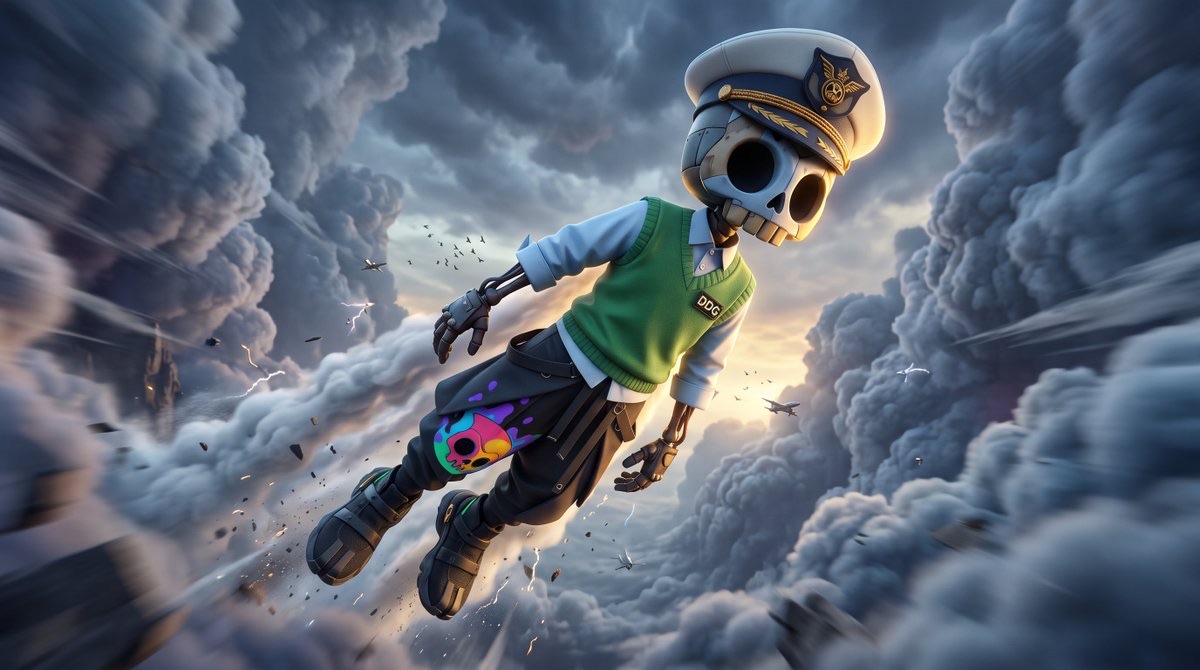
Giant Character Flying Through Storm Clouds
-
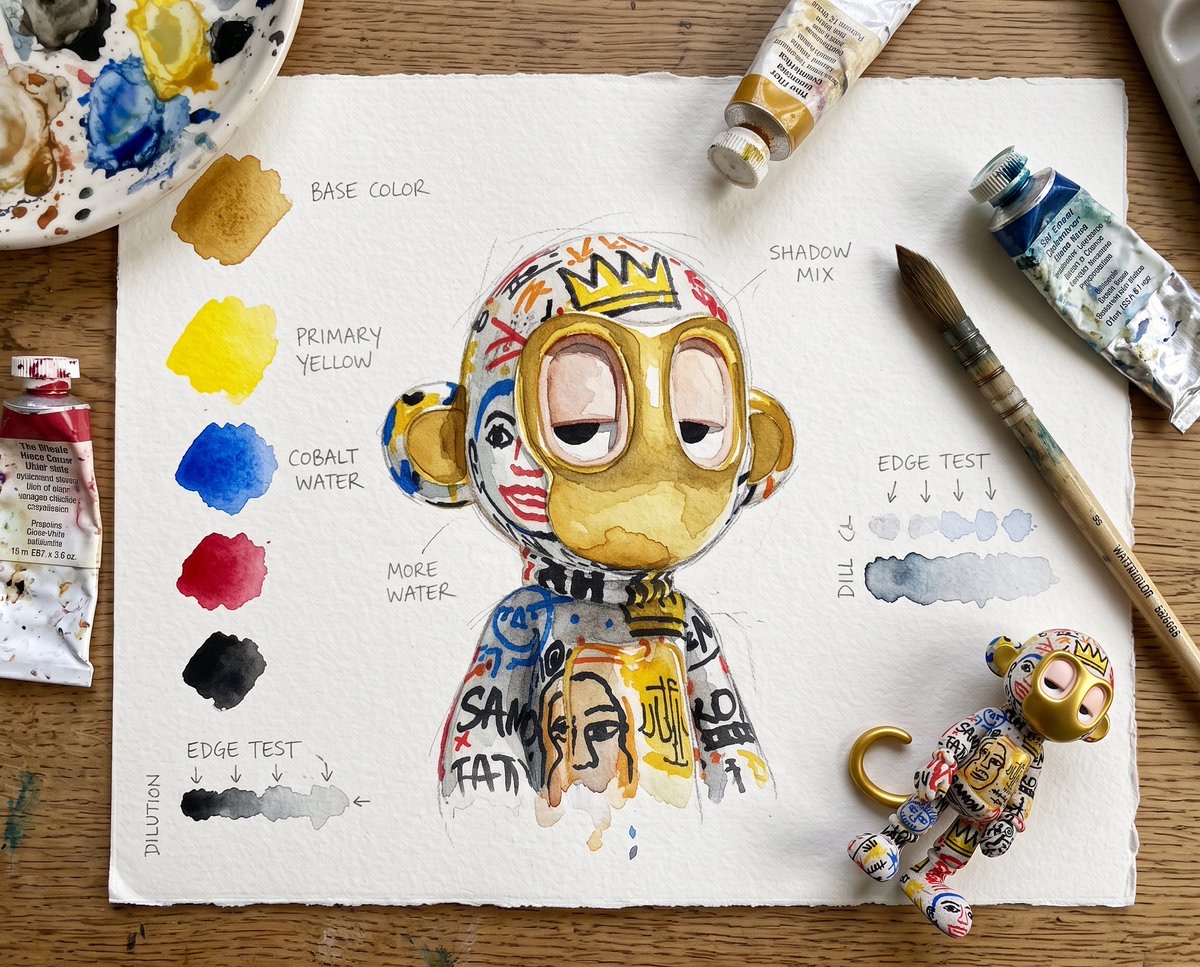
Watercolor Character Study Sheet
-
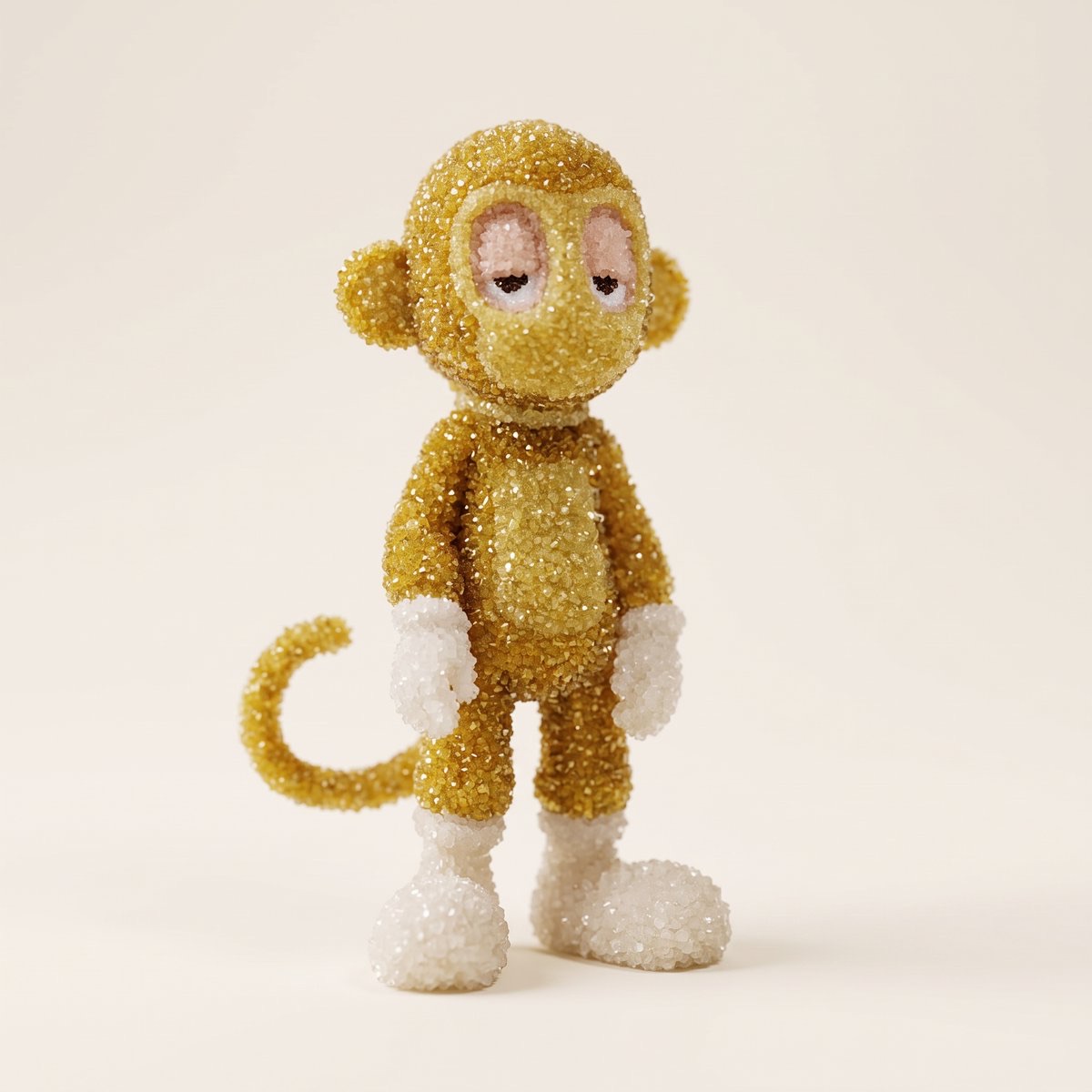
Tiny Salt-Crystal Character Sculpture
-
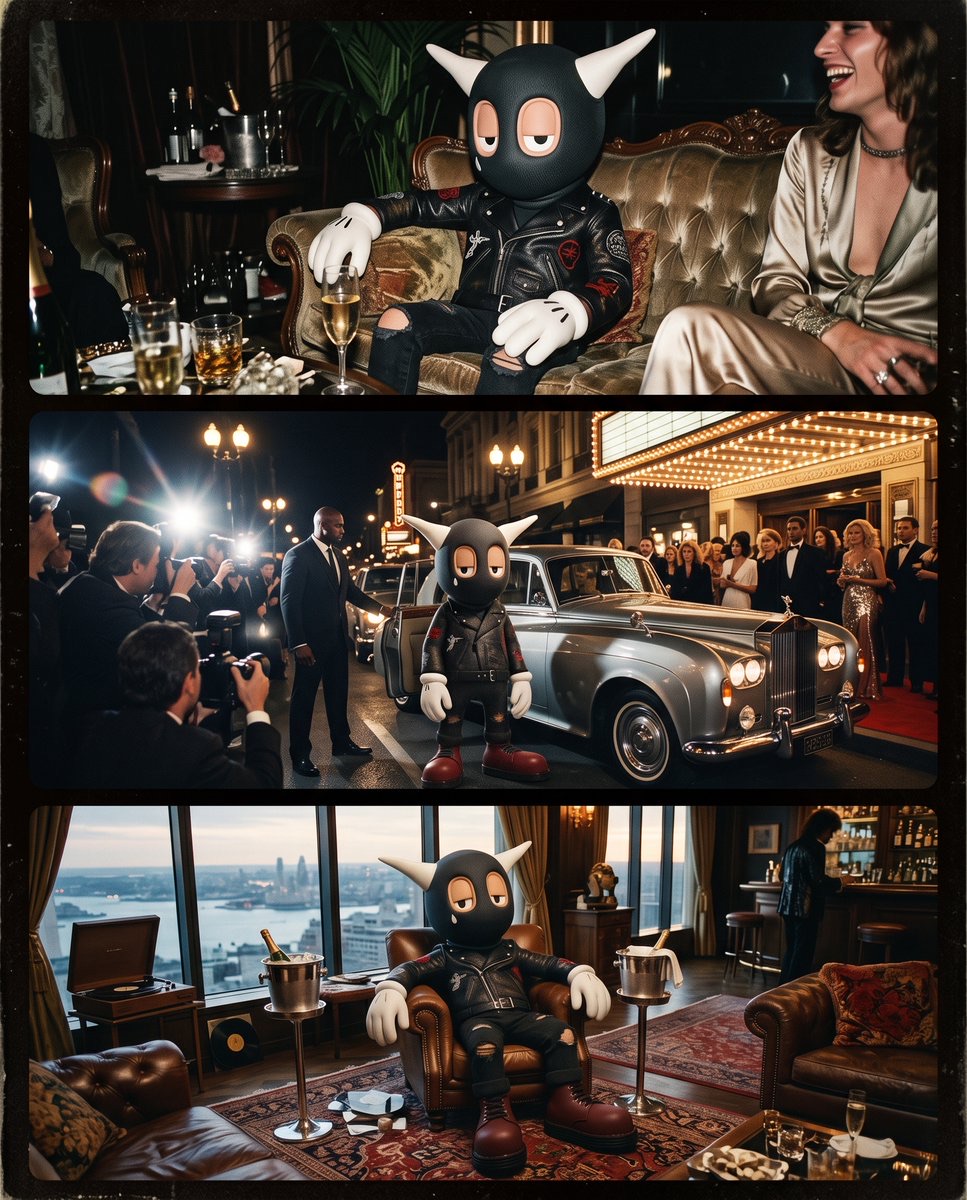
Three-Frame Portrait of a Character’s Luxury Life
-
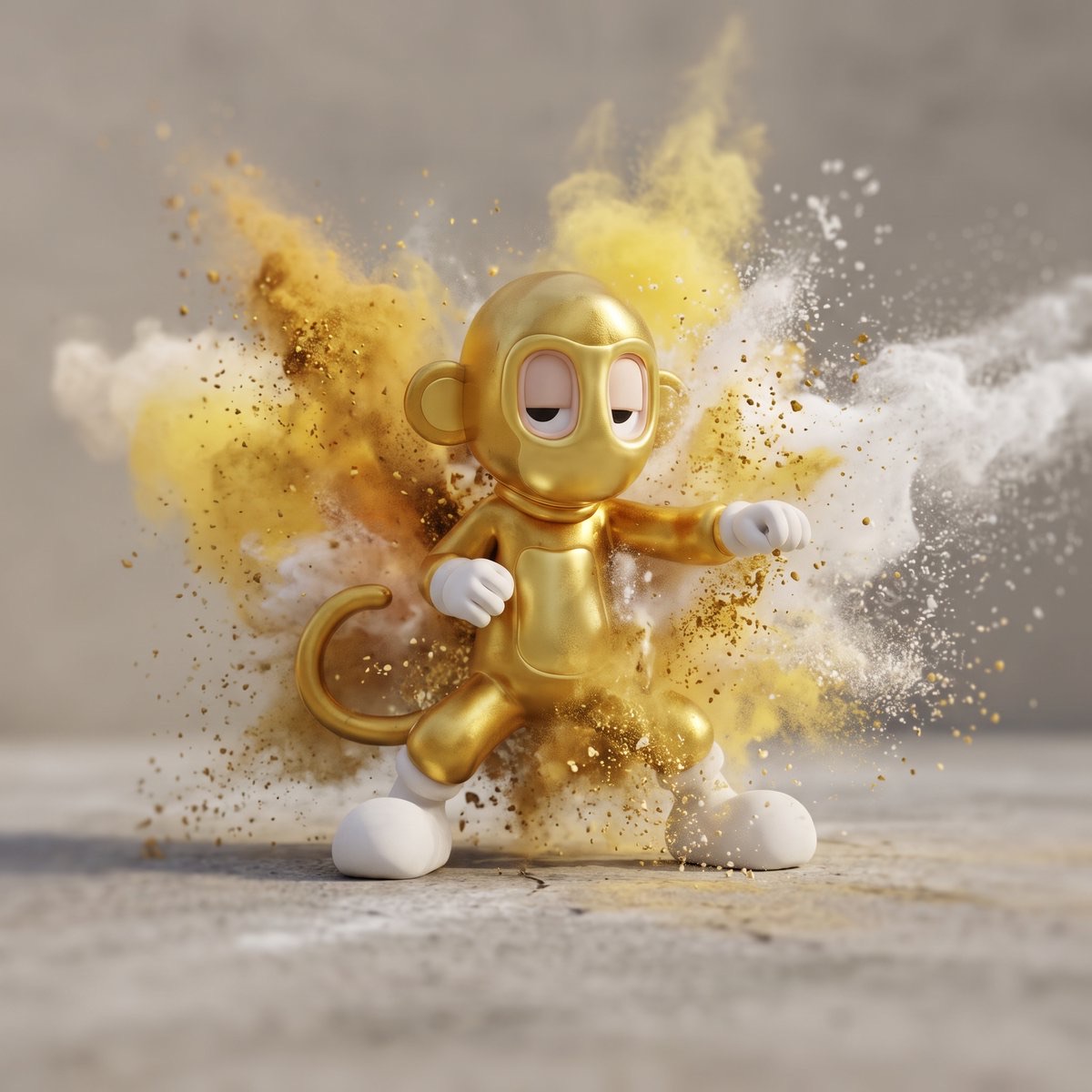
Character Amid a Burst of Powder
-
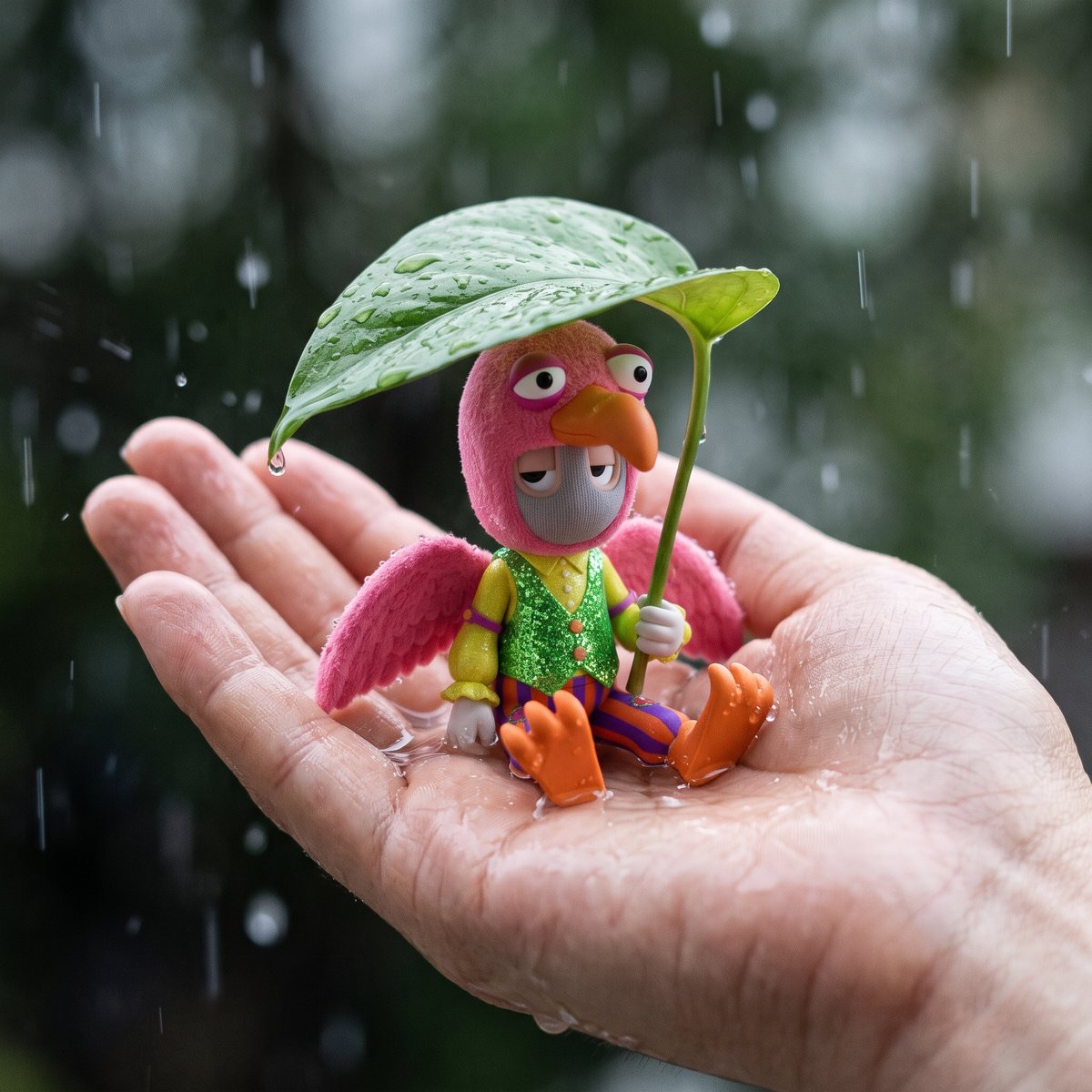
A Miniature Character Sheltered by a Leaf
-
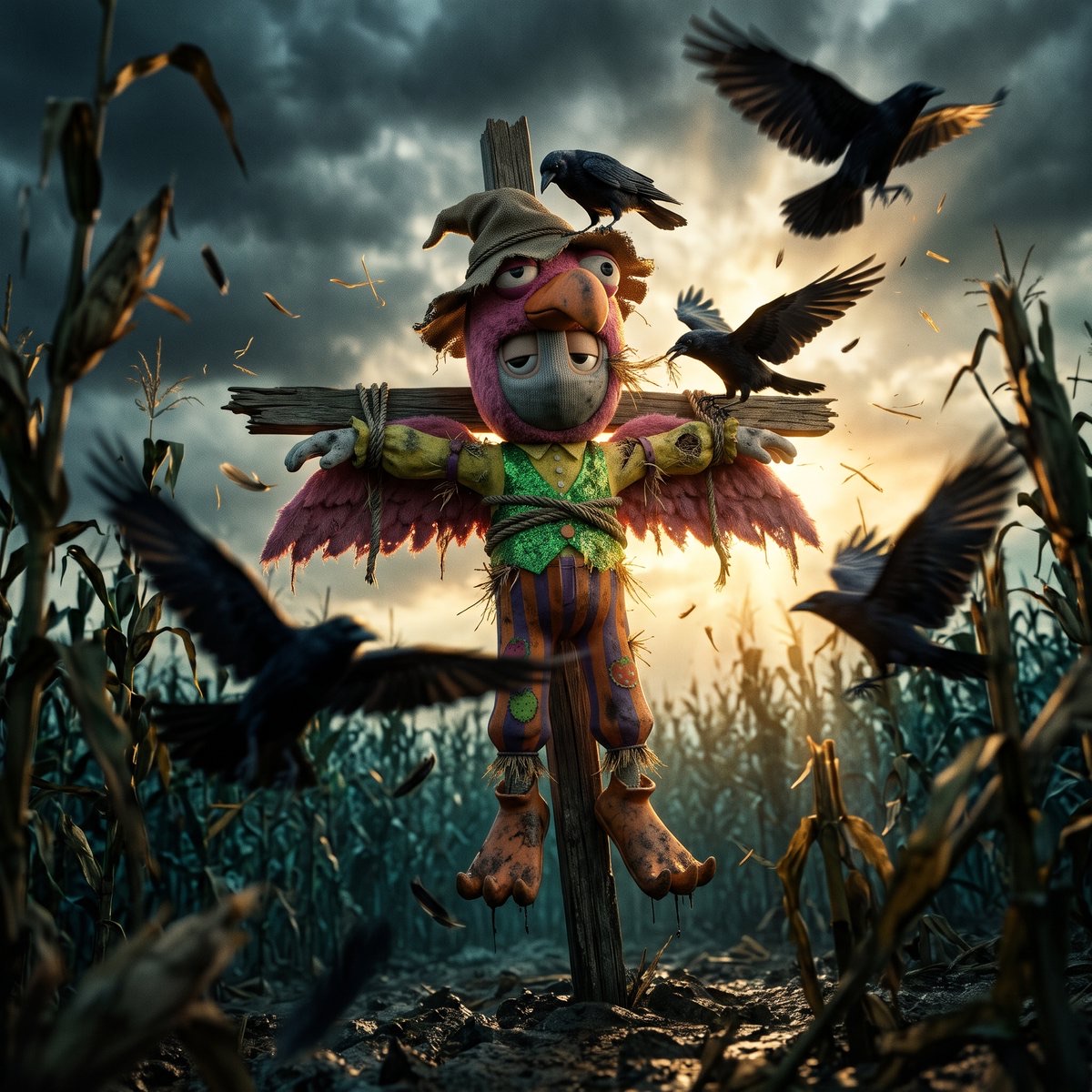
Scarecrow Under Crow Attack
-
Lo-Fi Street Snapshot of a Reference Character