图片 · GPT Image 2.5
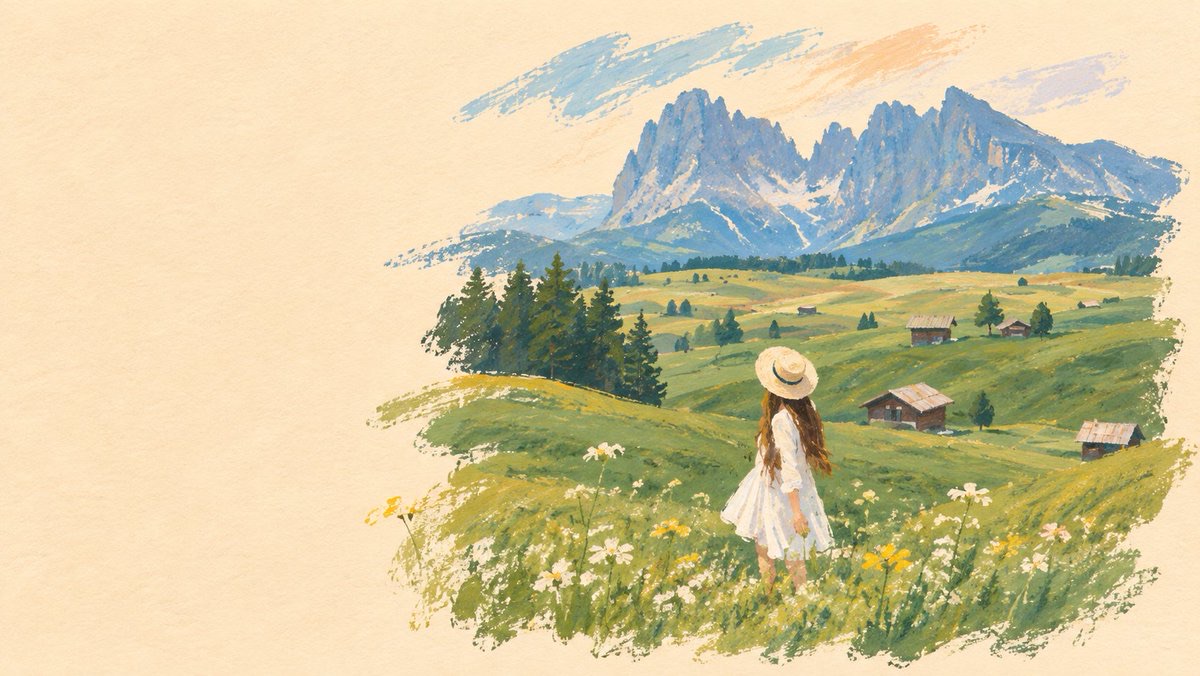
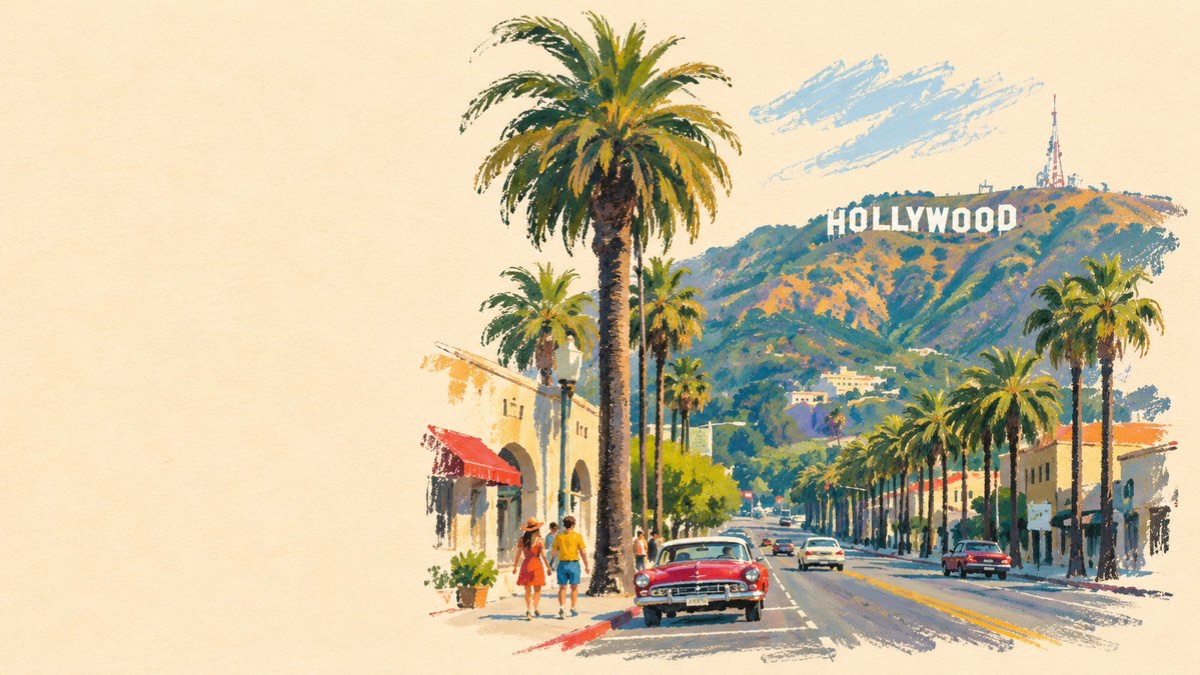
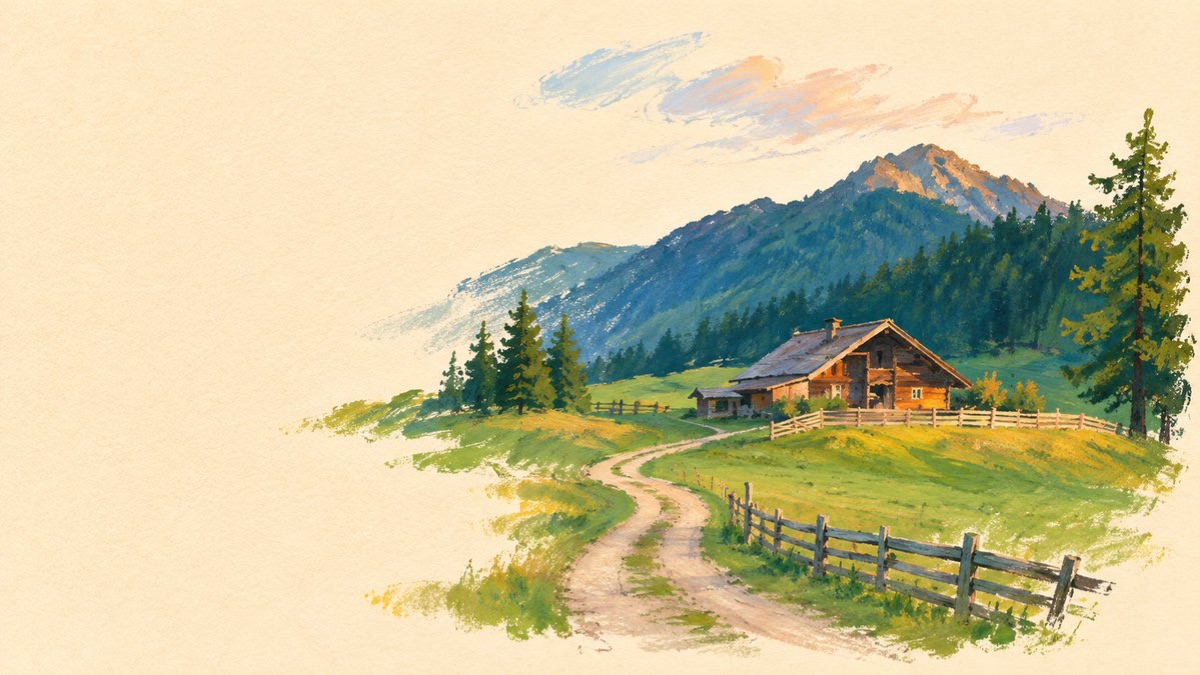
留白手绘地标明信片
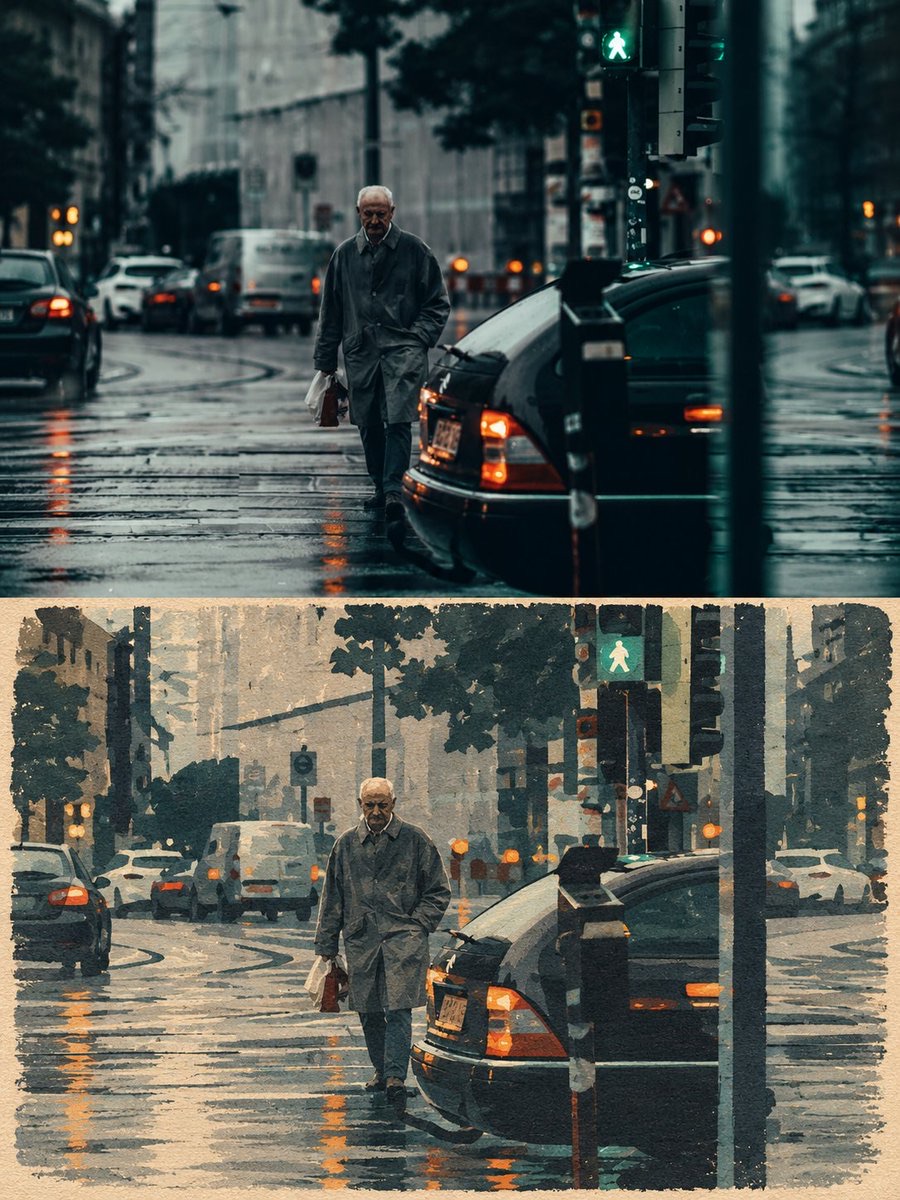
以奶油色纸张、大面积留白和干刷质感,将城市地标绘成安静复古的旅行插画。
 Ziha@Ziha_ai
Prompt
一幅横向宽幅的手绘风景插画,描绘 [LANDMARK NAME] 在 [CITY/COUNTRY],突出留白和宁静的构图。

画面以温暖的米白色纸张为背景,占画布总面积的 40-50%,营造宽阔的空白边缘和舒展的呼吸空间。

[LANDMARK NAME] 略微偏离中心,作为宁静的视觉锚点,以简化的 [KEY ARCHITECTURAL FEATURES - e.g., "towering structures", "iconic silhouette", "distinctive archways"] 和松散而富有表现力的笔触描绘。地标通过深青色、钴蓝色和森林绿的简约韵律笔触与抽象色块来暗示,而不精细描画每一处建筑细节。

构图疏朗、不杂乱:只精心放置少数元素,包括 2-3 个微小的人物 [DOING TYPICAL ACTIVITY - e.g., "walking", "taking photos", "sitting"],以珊瑚红和芥末黄的简洁剪影呈现;一个造型简约的小 [CONTEXTUAL ELEMENT - e.g., "cafe table", "bench", "street vendor cart"],两三株翠绿色的 [NATURAL ELEMENTS - e.g., "potted plants", "trees", "flowers"],以及细微的 [CULTURAL/ARCHITECTURAL HINTS - e.g., "traditional roof lines", "modern glass panels", "historic columns"]。

温暖的纸张背景保留大面积完全未着色的区域,尤其是边缘和各个元素之间。

风格结合了二十世纪中叶旅行海报美学与当代 [REGIONAL] 编辑插画风格:优雅、简约、温暖、有文化气息,并带有些许怀旧感。

纹理呈现松散的手绘水粉和粉彩笔触,包括干笔触、粉彩涂抹、蜡笔般的边缘、不均匀的色块、不完美的手作边缘,以及色块之间可见的空隙。

色彩层次干燥而富有触感,采用克制的色盘:深青色、天蓝色、珊瑚红、鲑鱼粉、芥末黄、赭色、陶土色和少量近黑色点缀;用色保持节制,让每种颜色都能在纸面上舒展。

整体氛围宁静、开阔、放松而精致,如同一张考究的 [CITY] 文化明信片或手工艺术版画,适合用于高端生活方式商品。

地标通过其本质特征——[DEFINING CHARACTERISTICS]——保持辨识度,同时画面依然轻盈、宁静、富有诗意,带着柔和的抽象感。

通过自信的留白,营造停顿、呼吸和精致空灵的感觉。

不要拥挤的构图,不要满版繁杂背景,不要照片级写实,不要光亮的数字渲染,不要干净的矢量艺术,不要 3D 渲染,不要文字、标牌、标志或可读文字。
A wide horizontal landscape hand-painted illustration of [LANDMARK NAME] in [CITY/COUNTRY] with strong emphasis on negative space and quiet composition.
The image features a warm off-white cream paper background that occupies 40-50% of the total canvas, creating generous blank margins and breathing room.
The [LANDMARK NAME] is positioned slightly off-center as a calm visual anchor, depicted through simplified [KEY ARCHITECTURAL FEATURES - e.g., "towering structures", "iconic silhouette", "distinctive archways"] with loose, expressive brush strokes. The landmark is suggested through minimal rhythmic marks and abstract color blocks in deep teal, cobalt blue, and forest green, rather than drawing every architectural detail precisely.
The composition is sparse and uncluttered: only a few carefully placed elements including 2-3 tiny human figures [DOING TYPICAL ACTIVITY - e.g., "walking", "taking photos", "sitting"] rendered as simple silhouettes in coral red and mustard yellow, one small [CONTEXTUAL ELEMENT - e.g., "cafe table", "bench", "street vendor cart"] with minimal shapes, two or three [NATURAL ELEMENTS - e.g., "potted plants", "trees", "flowers"] in emerald green, and subtle [CULTURAL/ARCHITECTURAL HINTS - e.g., "traditional roof lines", "modern glass panels", "historic columns"].
Large areas of the warm paper background remain completely untouched, especially around the edges and between elements.
The style combines mid-century travel poster aesthetics with contemporary [REGIONAL] editorial illustration: elegant, minimal, warm, cultured, and slightly nostalgic.
The texture shows loose hand-painted gouache and pastel marks with dry brush strokes, pastel smudges, wax-crayon edges, uneven color patches, imperfect handmade edges, and visible gaps between colored areas.
Colors are layered, dry, and tactile with a restrained palette of deep teal, sky blue, coral red, salmon pink, mustard yellow, ochre, terracotta, and small near-black accents, but used sparingly so each color can breathe against the paper.
The overall mood is quiet, spacious, relaxed, refined, like a sophisticated [CITY] cultural postcard or handmade art print suitable for premium lifestyle merchandise.
The landmark remains recognizable through its essential identity—[DEFINING CHARACTERISTICS]—but the drawing stays airy, calm, poetic, and softly abstract.
Strong sense of pause, breath, and refined emptiness with confident use of blank space.
No crowded composition, no full-bleed busy background, no photorealism, no glossy digital rendering, no clean vector art, no 3D rendering, no text, no signage, no logos, no readable text.
使用建议
把地标、城市和当地建筑特征替换为你想表现的目的地。