Image
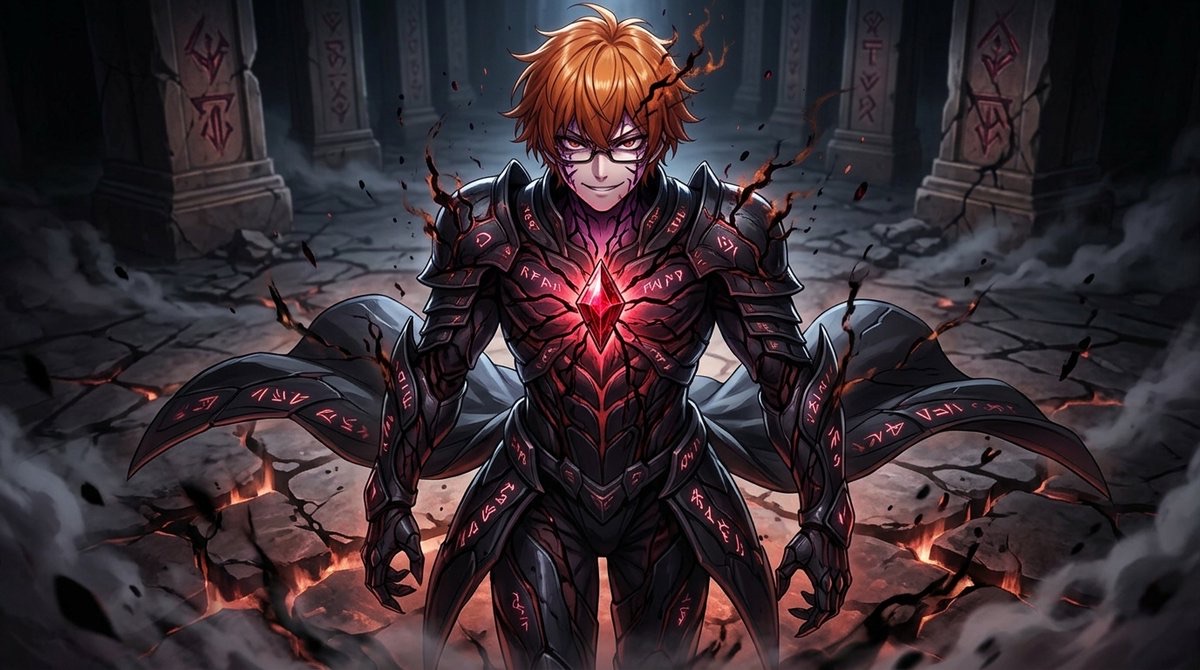
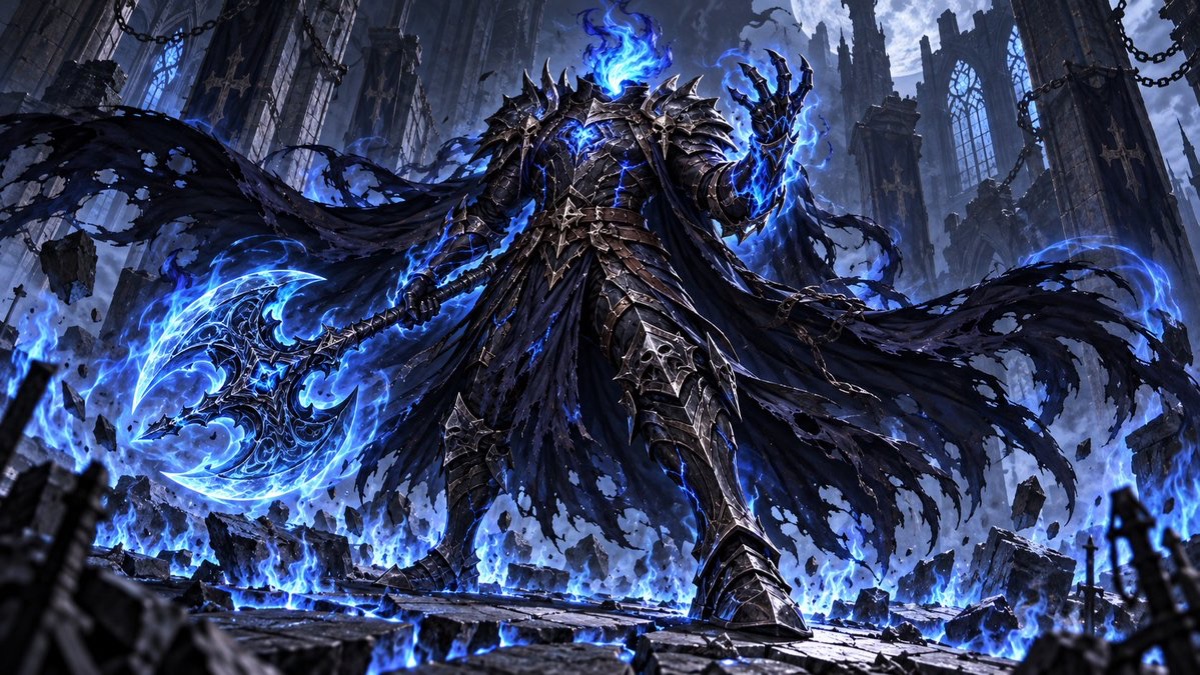
被诅咒的角色铠甲
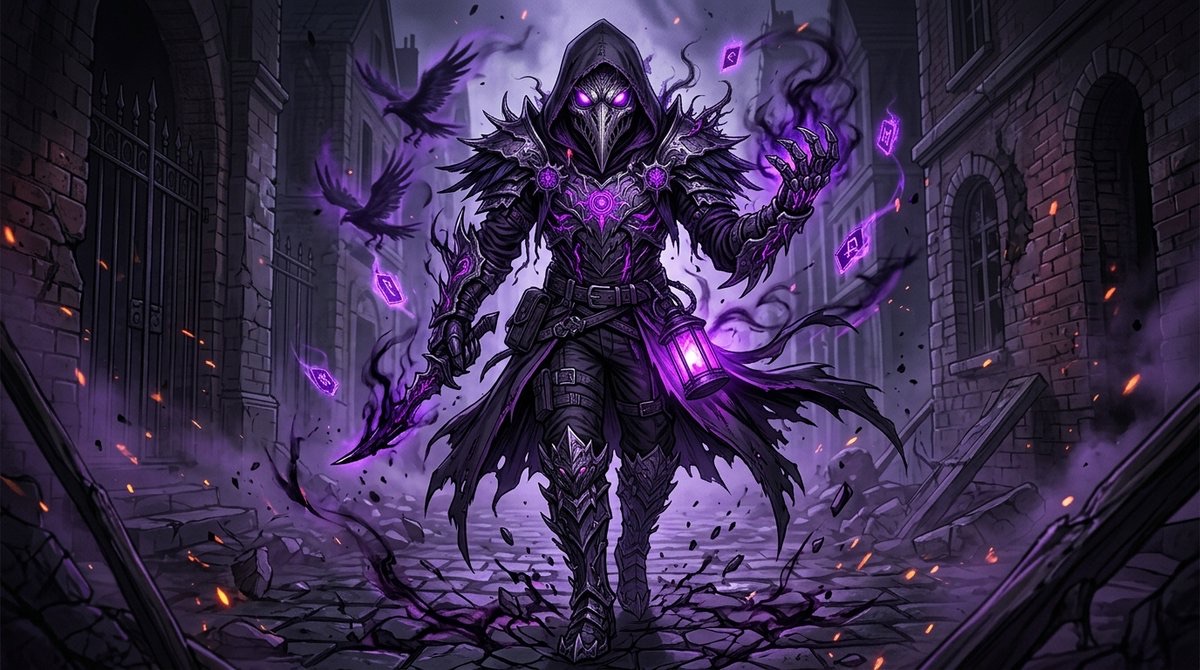
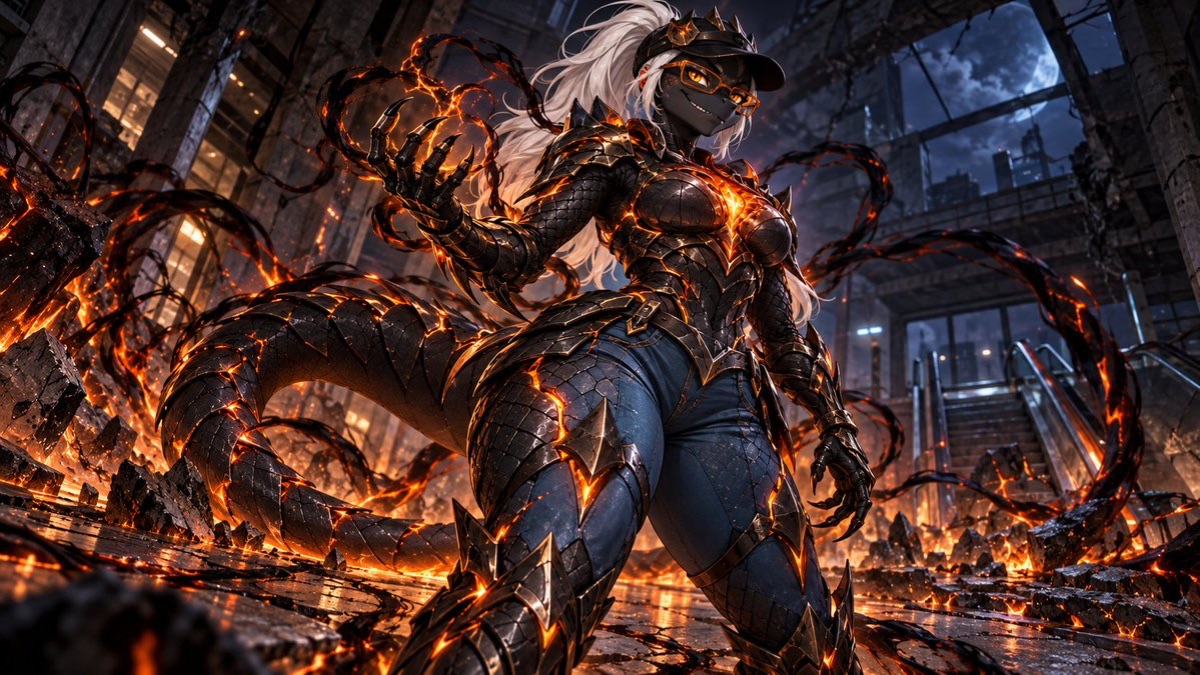
依据角色参考设计一套强化其特征的附灵铠甲,并以单幅电影感奇幻场景表现角色被腐化后的形象。
 JollyJoebean_VT@joebeanclown
Prompt
Designate the attached character reference as @Image1.

@Image1 = the only character identity, visual-design, and written-lore reference.

Create ONE finished, high-resolution, cinematic widescreen 16:9 illustration of the original character (OC) from @Image1 after acquiring supernatural armor that amplifies their defining characteristics, abilities, species traits, and personal motifs. The armor grants extraordinary power, but it is sentient or possessed and has corrupted the OC into an unmistakably evil version of themselves.

Show the completed possessed-armored OC in one dramatic scene, not a before-and-after comparison or a different person under the helmet.

The visual story: the armor magnifies what makes the OC unique and turns those qualities toward evil.

No name or additional inputs required. Derive information from @Image1, including legible notes. Do not print this prompt title in the image.

-----------------------------
MODEL EXECUTION INSTRUCTIONS
-----------------------------

FOR AN LLM / MULTIMODAL ASSISTANT:
Inspect @Image1 and its written notes. Resolve the OC's anatomy, colors, outfit, personality, and established abilities. Determine how these features become custom armor, how possession visibly operates, how it corrupts the OC's morality, and the pose, environment, effects, and lighting. If capable, generate the finished image without displaying an analysis report. If text-only, output ONE complete, directly usable image-generation brief with reference-dependent decisions resolved, not a questionnaire, story, or unfinished template.

FOR AN IMAGE GENERATOR:
Perform the reference analysis and design decisions internally, then render one finished image. Do not show analysis, instructions, labels, or planning in the artwork.

-----------------------------
IDENTITY AND CONCEPT PRIORITY — READ FIRST
-----------------------------

1. Preserve the exact OC from @Image1: face, species, proportions, distinctive anatomy, colors, and silhouette.
2. Design armor from that OC's recognizable traits, not a stock knight or demon template.
3. Make the armor supernatural, sentient or possessed, and clearly bonded to its wearer.
4. Make the OC visibly EVIL because of the armor's corruption, not merely battle-ready or intimidating.
5. Depict everything in one cohesive final scene.

If instructions conflict, preserve identity first. Revise effects or armor features that conceal the face, obscure the transformation, or contradict the reference.

-----------------------------
REFERENCE RULES — HIGHEST PRIORITY
-----------------------------

Analyze all views, color guides, details, and legible notes in @Image1. Preserve through the transformation:

- Face shape, features, muzzle or beak, exact eye shape and iris color
- Hair shape, length, texture, and color, if present
- Skin, fur, scale, feather, metal, or other surface colors and patterns
- Species, degree of anthropomorphism, body type, apparent age, and proportions
- Number, shape, location, and attachment of ears, horns, wings, tails, limbs, claws, fins, or antennae
- Permanent markings, scars, tattoos, piercings, and asymmetrical details
- Original outfit categories, signature accessories, emblems, motifs, and color blocking
- Distinctive silhouette, established powers, explicitly stated personality and lore

Written species, role, lore, and palette labels outrank visual stereotypes. Do not present invented powers or history as canon.

REFERENCE SHEET HANDLING:

Front view = principal anatomy and outfit; side/back views = depth, attachments, asymmetry; closeups = face, markings, and accessory placement; legible palette values = exact colors. Multiple poses, expressions, and costume options on one sheet are ONE character, not extra subjects. Use the labeled primary outfit when available. Never reproduce the sheet layout, arrows, notes, or color swatches. Never import designs or lore from earlier prompts, generations, or conversations.

-----------------------------
FALLBACK LOGIC
-----------------------------

- If the required reference is missing or unusable, request only that image instead of pretending to know the OC.
- If @Image1 depicts an object, logo, or landscape rather than a character, invent ONE original mascot from its colors and motifs and apply this prompt to that figure.
- If an ability or personality is unstated, choose only scene-specific enhancements reasonably inspired by visible traits; do not invent canon.
- If the OC lacks hair, garments, conventional hands, or human-like anatomy, do not add them. Fit the armor to the original body plan and materials.
- If already evil, intensify that corruption; never invent a heroic past.
- If a design detail is unclear, follow the strongest visible reference evidence and make only necessary construction choices.

-----------------------------
STEP 1 — IDENTIFY WHAT THE ARMOR ENHANCES
-----------------------------

Select THREE TO FIVE of the OC's most recognizable traits: species features, silhouette, outfit construction, symbols, colors, accessories, established abilities, or personality. Internally assign each a clear armor enhancement that viewers can trace back to @Image1.

Examples of interpretation, NOT default additions:

- Wings become articulated plated wings or spectral extensions without changing their count or placement.
- Horns or ears receive fitted guards without replacing the originals.
- Athletic speed inspires streamlined plating and motion echoes.
- Technology or tools inspire possessed mechanisms and moving components.
- Existing magic informs corrupted runes and power channels.
- A playful emblem becomes a sinister crest.

Do not add traits unrelated to THIS reference.

-----------------------------
STEP 2 — FORGE THE CHARACTER-SPECIFIC ARMOR
-----------------------------

Build a completed, head-to-toe supernatural suit, or full anatomy-appropriate equivalent, with believable protection, joints, weight, and construction. It should amplify the OC's silhouette without replacing their species or proportions.

HEAD: Design a fitted helmet, crown, partial mask, or head protection derived from the OC's features. Keep the face and evil expression recognizable, using an open visor if necessary. Maintain their eye shape and iris color. Accommodate ears, horns, antennae, hair, muzzle, or beak instead of clipping them away.

TORSO: Translate the original outfit's shapes, emblems, layers, and color blocks into chest plates, pauldrons, engraving, inlays, or an identity-specific cursed focal point. Preserve recognizable clothing geometry rather than imposing stock knight armor.

LIMBS: Make gauntlets, guards, boots, or species-appropriate protection follow the OC's real joints and manipulators. Claws remain claws, paws remain paws, and unusual limbs retain their correct number and type.

BACK AND ACCESSORIES: Integrate original wings, tail, horns, mechanical features, and signature accessories through tailored openings, articulated attachments, spectral adaptations, or armor equivalents. Do not invent features merely for menace.

MATERIALS: Select a coherent blend of durable armor and supernatural details, such as aged metal, enchanted ceramic, cursed stone, living crystal, spectral cloth, or possessed machinery. Do not use all materials at once. Retain identifiable reference colors; corrupted shadows and highlights may supplement them but must not erase the original palette.

It must appear purpose-built FOR THIS OC, not a generic black-and-red set with their symbol attached.

-----------------------------
STEP 3 — MAKE THE ARMOR VISIBLY POSSESSED
-----------------------------

The armor must read as an active supernatural force now bonded to, influencing, or controlling its wearer, not an ordinary upgrade. Choose TWO TO FOUR coordinated indicators derived from the OC's identity:

- A cursed core, seal, gemstone, or emblem from which power radiates
- Living runes, pulsing seams, shadow-veins, or moving engraved markings
- Plates that seem to grow, tighten, shift, or move on their own
- Spectral restraints, tendrils, haunted reflections, or controlling shadows
- Twisted versions of the OC's established fire, magic, nature, technology, music, or other motifs

These are possibilities, not mandatory features. Use one coherent possession mechanism, with effects connected to actual armor pieces and visibly interacting with nearby surfaces. Avoid a separate demon body: the armor itself carries the corruption. Keep the suit's protective structure clearly readable.

-----------------------------
STEP 4 — SHOW THE OC'S MORAL CORRUPTION
-----------------------------

The OC must unmistakably look EVIL BECAUSE THE ARMOR CHANGED THEM. Translate their actual personality into a corrupted version rather than defaulting to one sinister expression for everyone.

Examples: kindness becomes ruthless control; cheerfulness becomes cruel amusement; shyness becomes eerily merciless calm; confidence becomes tyranny; playfulness becomes malicious delight; strict discipline becomes fanatic domination. If already malicious, intensify the darkness; if unknown, use a malevolent demeanor without inventing lore.

FACE: Make the visible eyes and expression communicate intent, using a cold glare, mocking smile, predatory enjoyment, merciless calm, or a similar character-appropriate response. Preserve facial identity and natural eye color underneath supernatural glow.

BODY: Give the OC threatening purpose: an advancing stride, commanding gesture, poised claw, dominant stillness, or control over a visible power. Avoid a friendly, frightened, neutral, or generic armor-model pose.

COST OF POWER: The armor's grip should visibly suggest the wearer has lost moral control. Its core may pull shadows toward the body, seams may tighten, or a haunted crest may dominate their stance. Show the completed possession, not someone resisting or removing the armor. The OC remains a recognizable individual whose own traits have been weaponized against others.

-----------------------------
STEP 5 — AMPLIFY THE OC'S POWER
-----------------------------

Show at least ONE distinct supernatural enhancement actively changing the nearby environment. It must grow from an established ability or recognizable anatomy, equipment, and motifs, not an unrelated energy blast.

For example, a fire-using OC could release unnatural flame through fitted armor; a nature-themed one might spread cursed growth; a winged character could project energy from their original wings; a machine-themed character might animate nearby mechanisms; a strength-focused OC could crack the ground with a plated step.

Choose an effect actually suited to @Image1. Show a clear consequence, but keep the face and armor visible. Distinguish invented armor-granted power from established canonical powers.

-----------------------------
STEP 6 — CHOOSE THE VILLAIN-REVEAL MOMENT
-----------------------------

Depict ONE cinematic moment after the possession has fully taken hold. Choose the pose from the character's anatomy and corrupted temperament: intimidating approach, threatening gesture, dominant stillness, sinister magic, or another personalized action.

Keep gravity, balance, and contact credible for that body type. Armor pieces must articulate through the pose. Weapons are optional and should be justified by the original design or armor theme.

Show the whole or nearly whole armored form from a dramatic three-quarter or low camera angle, when suitable. The face, distinctive armor, and at least one power effect must remain simultaneously readable. Avoid extreme foreshortening that hides the identity.

Render EXACTLY ONE featured character: the fully possessed-armored OC. No unarmored duplicate, separate visible possessor, evil twin, before-and-after comparison, or transformation-panel sequence.

-----------------------------
STEP 7 — BUILD THE SETTING
-----------------------------

Choose ONE setting supported by the OC's visible world or legible lore, or invent a fitting scene location without claiming it is canon. Possibilities include a ruined throne hall, cursed forest, shattered sanctuary, abandoned industrial chamber, supernatural wasteland, or another character-specific environment.

Make the setting react to the chosen enhancement through cracked flooring, warped shadows, trembling machinery, spreading curse, damaged vegetation, or other fitting consequences. Use foreground, middle ground, and background to give depth. Keep the character dominant. Do not add victims, crowds, armies, or rivals to explain their evil: the OC's expression, armor, and threatening action must convey it.

-----------------------------
STEP 8 — ART STYLE, COMPOSITION, AND LIGHTING
-----------------------------

Render a polished CINEMATIC FANTASY illustration in one landscape 16:9 frame, ideally 1920 × 1080 pixels or higher when supported. Maintain the reference's degree of stylization and anthropomorphism. For drawn references, carry their recognizable linework, facial structure, and shape language into a more cinematic finished scene. For photographic or 3D references, use coherent matching material treatment. Do not substitute a generic realistic human face or unrelated franchise style.

COMPOSITION: Prioritize the corrupted face, the tailored armor, then the power effect and environment. Show enough of the figure to read armor construction and species anatomy. Use depth and controlled detail, not clutter.

LIGHTING: Use dramatic environmental light and restrained secondary glow from the armor's core, eyes, seams, or abilities. Let supernatural light affect adjacent materials. Deep shadows are welcome, but identity and armor must remain visible.

ANATOMY: Keep every limb, digit, wing, tail, ear, horn, and joint correctly counted, placed, and attached. Plates must overlap and articulate logically. Feet or other supports must make convincing contact; magical hovering must look intentional. No fused, floating, clipped, duplicated, or disconnected anatomy.

Make one uninterrupted scene, not a comic page, split screen, character sheet, collage, blueprint, or product mockup.

-----------------------------
TEXT RULES
-----------------------------

"The Possessed Armor" is the concept title, NOT text to display. Include no captions, names, dialogue, speech bubbles, labels, stats, arrows, logos, signatures, watermarks, or reference-sheet notes. Tell the story entirely through the image.

-----------------------------
QUALITY TARGET
-----------------------------

One high-resolution 16:9 cinematic illustration of the unmistakable OC from @Image1, fully wearing uniquely personalized supernatural armor that enhances their identity while possessing them and twisting their morality into evil. Their face, species anatomy, signature colors, curse mechanism, altered expression, power effect, scene, and lighting must form one readable image.

BEFORE COMPLETION, VERIFY:

- Exactly ONE OC is shown in the completed possessed-armored form.
- The reference's identity, colors, features, anatomy, and silhouette remain recognizable.
- Armor design visibly enhances THREE TO FIVE OC-specific characteristics.
- The armor looks protective, supernatural, and actively possessed.
- The OC's expression and action communicate genuine evil corruption.
- At least ONE enhancement has a visible effect on the environment.
- The pose, armor construction, materials, and lighting are consistent.
- The result is a single 16:9 cinematic image without text.

-----------------------------
DO NOT
-----------------------------

Do not replace the OC with an unrelated demon, skull-faced monster, knight, robot, or generic villain.
Do not erase their face, iris color, markings, species, proportions, original motifs, or signature appendages.
Do not fully hide their face beneath an opaque helmet or excessive shadows.
Do not use generic black-and-red armor as the only sign of evil.
Do not merely give them cool armor while leaving their behavior and morality unchanged.
Do not confuse menace alone with possession: show the armor's supernatural influence.
Do not depict the OC resisting or escaping the armor; show the completed corruption.
Do not invent canonical names, backstory, abilities, or relationships.
Do not add arbitrary wings, horns, weapons, limbs, or human anatomy.
Do not show other characters, duplicate versions, a separate visible demon, or extra panels.
Do not mutate the OC beyond recognition or conceal them in smoke, darkness, or effects.
Do not create extra fingers, disconnected joints, floating plates, misplaced appendages, or impossible armor intersections.
Do not mix incompatible art styles, settings, or camera views.
Do not include text, annotations, captions, titles, logos, signatures, or watermarks.

The finished image must communicate instantly: this exact OC has received supernatural armor that magnifies their defining strengths, but the sentient armor has seized control and transformed them into a terrifying, powerful, evil version of themselves.
How to use
上传原创角色设定图,生成保留其标志特征、带有诅咒效果的反派铠甲版本。
Details
- Type
- Image
- Source
- JollyJoebean_VT
- License
- Source-author-rights
- Published