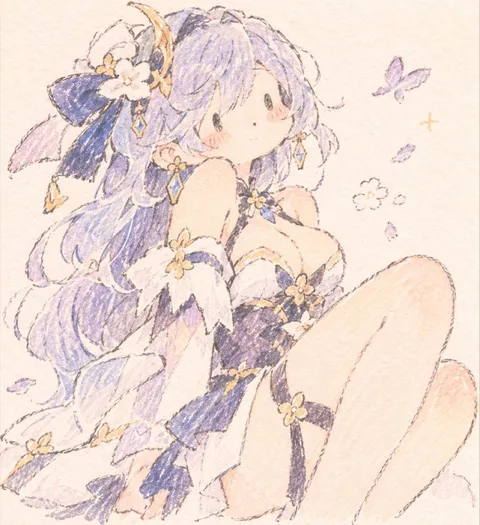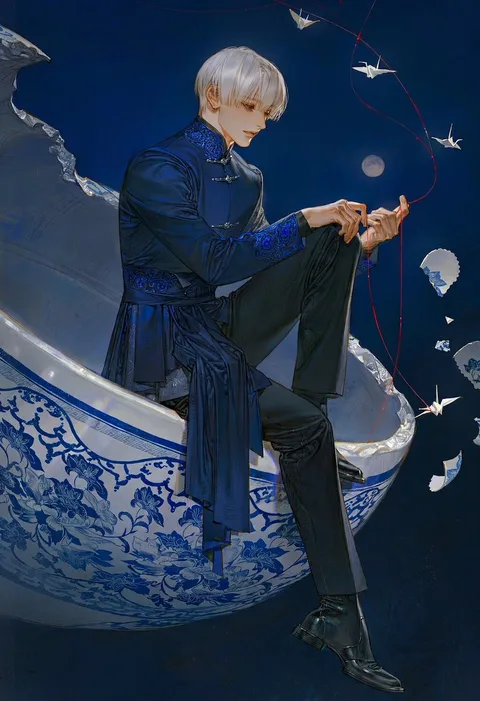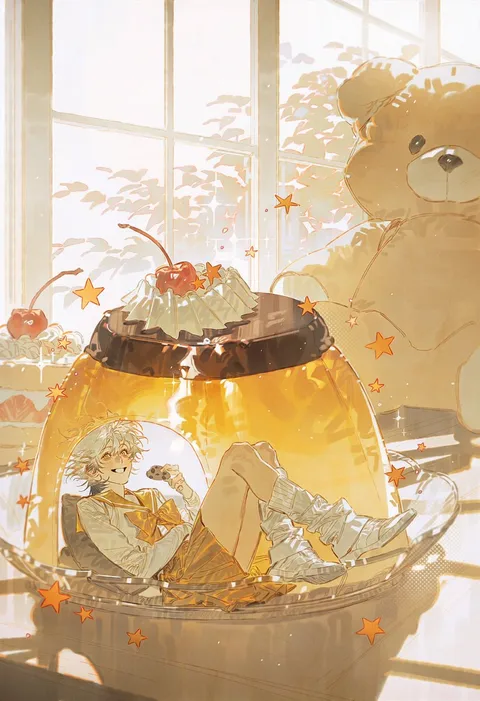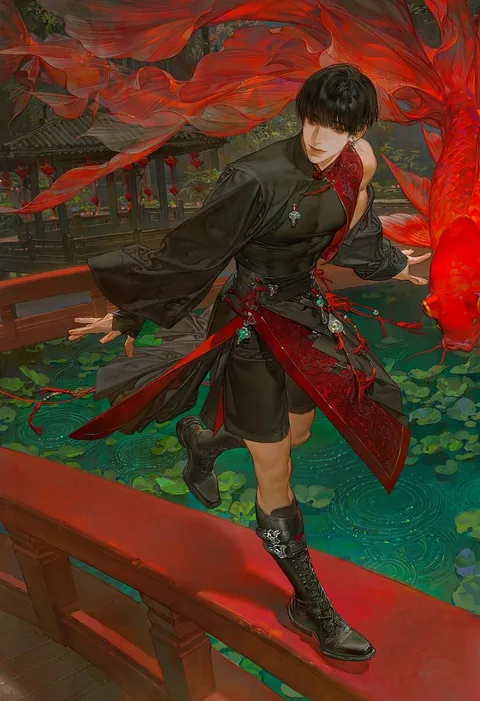
Image
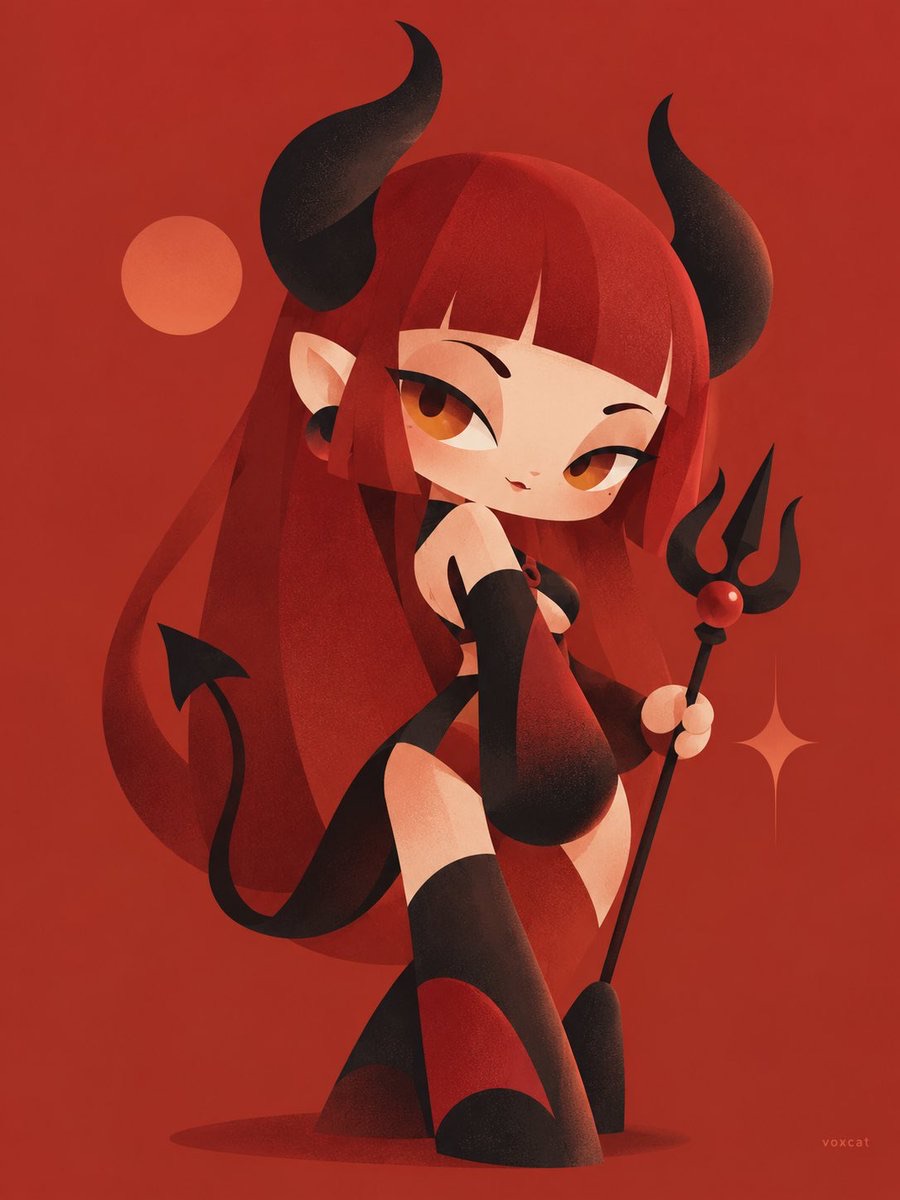
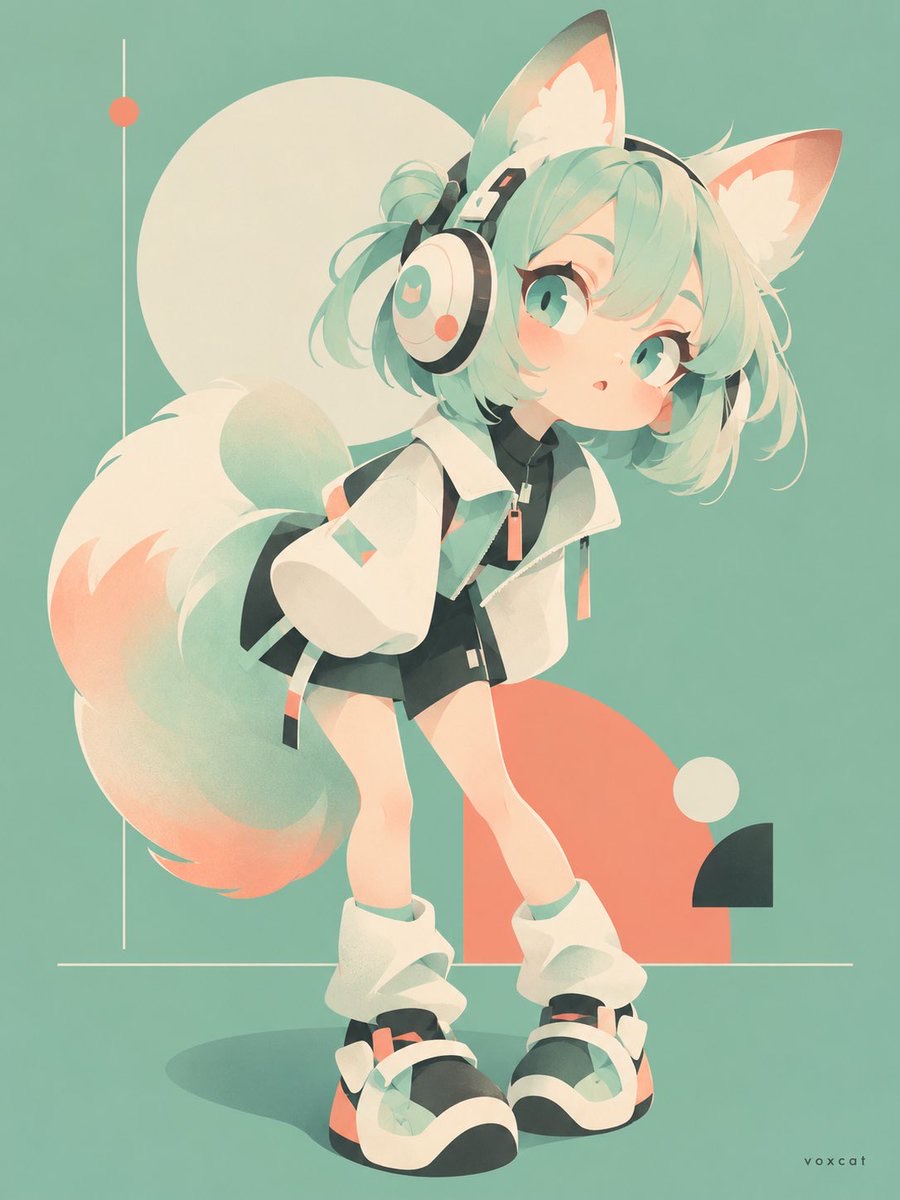
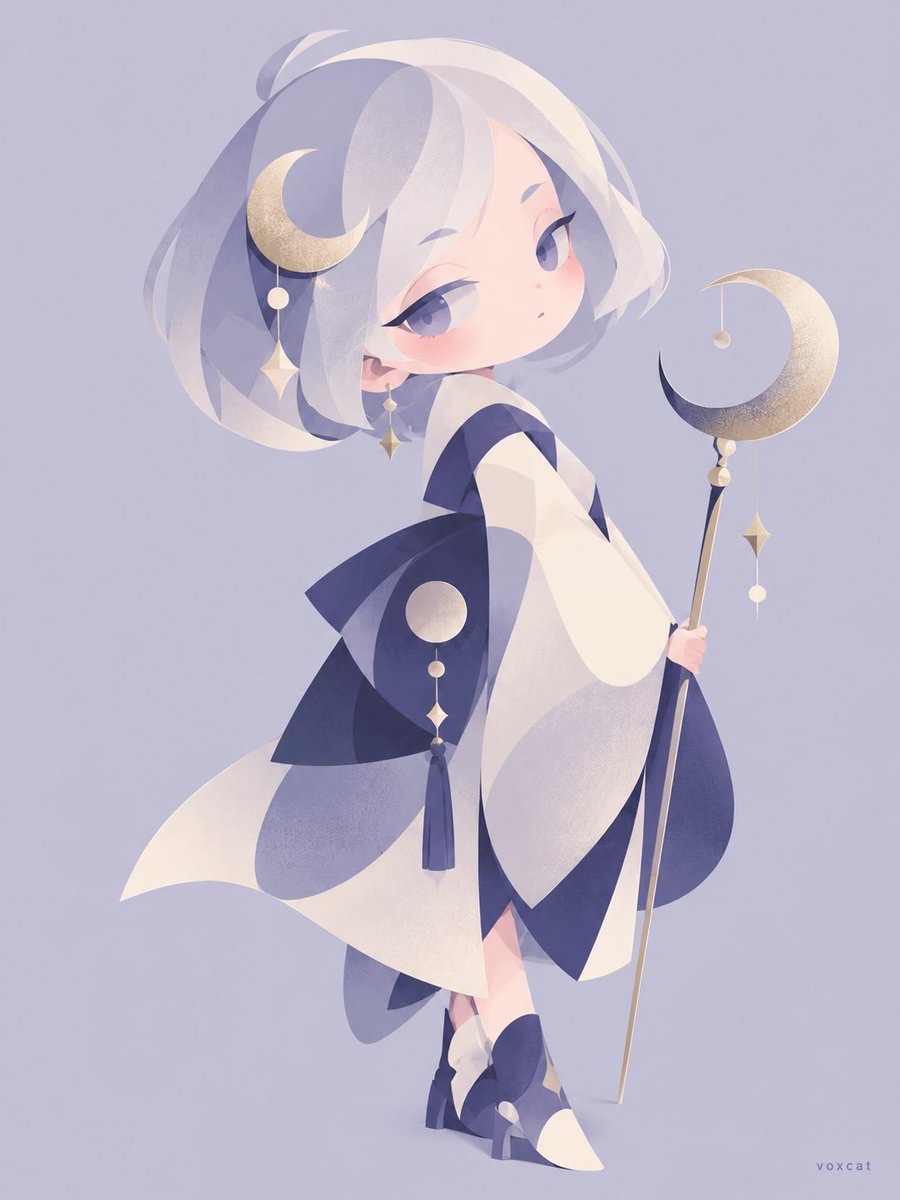
Neo-Modernist Geometric Character Illustration
Simplify an existing character into a character built from soft geometric forms and gradient color planes, presented in a restrained asymmetrical layout.
 VoxCat@VoxcatAI
Prompt
【Character】, neo-naïve character design × Japanese modernist graphic design × soft geometry × gradient mesh.

Preserve the character's most core identifying features:
silhouette of the hairstyle,
hair color,
main eye color,
main character color,
headwear,
emblem,
ears,
horns,
tail,
weapon or other most recognizable signature accessories.

Re-compress the character into clumsy, irregular, designed geometric forms.

Character proportions:
oversized head × compact torso × simplified limbs × unbalanced silhouette.

The head uses circles, ellipses, trapezoids, squares, or irregular soft geometric shapes;
the torso is short and compact;
the arms and legs are simplified into narrow strips, wedges, cylinders, or soft blocks;
complex clothing, armor, accessories, and weapons are reduced to a few clear color blocks.

Facial features are highly simplified:
large, simple eyes,
a few nose and mouth lines,
clear eyebrow shapes,
expression automatically matched to the character's personality.

Body posture allows slight tilting, imbalance, turning inward, leaning forward, leaning back, or asymmetrical stance, creating a neo-naïve sense of awkwardness.

The figure is shaped with a small amount of soft geometry and gradient mesh.
Each body part is composed of 2–4 soft gradient color blocks, with edges carrying slight hand-drawn wobble and irregularity.

The background uses a single solid color field.
Colors are automatically extracted from the character's main colors and then desaturated or brightened to form a unified color range.

The composition follows Japanese modernist graphic design logic:
large areas of negative space,
asymmetrical arrangement,
character placed off-center,
clear visual focus,
a few small geometric auxiliary shapes,
a quiet, restrained layout.

The overall palette is limited to 3–5 main colors.
Prioritize the character's main color, one secondary color, one light color, one dark color, and one accent color.

Overall effect:
primitive cuteness,
calm modernist order,
soft geometric character design,
clean flat composition,
minimal editorial illustration.

Vertical format.
A tiny voxcat in the bottom-right corner.
【角色】,neo-naïve character design × 日本现代主义平面设计 × soft geometry × gradient mesh。
保留角色最核心的身份识别:
发型轮廓、
发色、
眼睛主色、
角色主色、
头饰、
徽记、
耳朵、
角、
尾巴、
武器或其他最具辨识度的标志配饰。
将角色重新压缩为笨拙、不规则、具有设计感的几何形体。
角色比例采用:
oversized head × compact torso × simplified limbs × unbalanced silhouette。
头部使用圆形、椭圆、梯形、方形或不规则软几何形;
躯干短小紧凑;
手臂和腿部简化为窄条、楔形、圆柱或柔软块面;
复杂服装、装甲、饰品和武器重新归纳为少量清晰色块。
五官高度简化:
大而简单的眼睛,
少量鼻子和嘴部线条,
清楚眉形,
表情根据角色性格自动匹配。
身体姿态允许轻微歪斜、失衡、内扣、前倾、后仰或不对称站姿,形成 neo-naïve 式笨拙感。
人物内部使用少量 soft geometry 与 gradient mesh 塑形。
每个身体部分由 2–4 块柔软渐变色面组成,边缘带轻微手绘抖动和不规则感。
背景采用单一纯色色场。
颜色从角色主色中自动提取并重新降饱和或提亮,形成统一色域。
构图采用日本现代主义平面设计逻辑:
大面积留白,
非对称排布,
角色偏置,
视觉重心明确,
少量几何辅助形,
版面安静克制。
整体色彩控制在 3–5 个主色。
优先使用角色主色、一个辅助色、一个浅色、一个深色和一个强调色。
整体效果:
primitive cuteness,
calm modernist order,
soft geometric character design,
clean flat composition,
minimal editorial illustration。
竖版。
右下角极小 voxcat。
How to use
Usage tips: Replace 【Character】 with a specific character or upload a reference image. Make sure the character's core identifying features, main colors, and signature accessories are clear, so that a stable vertical character illustration can be generated.