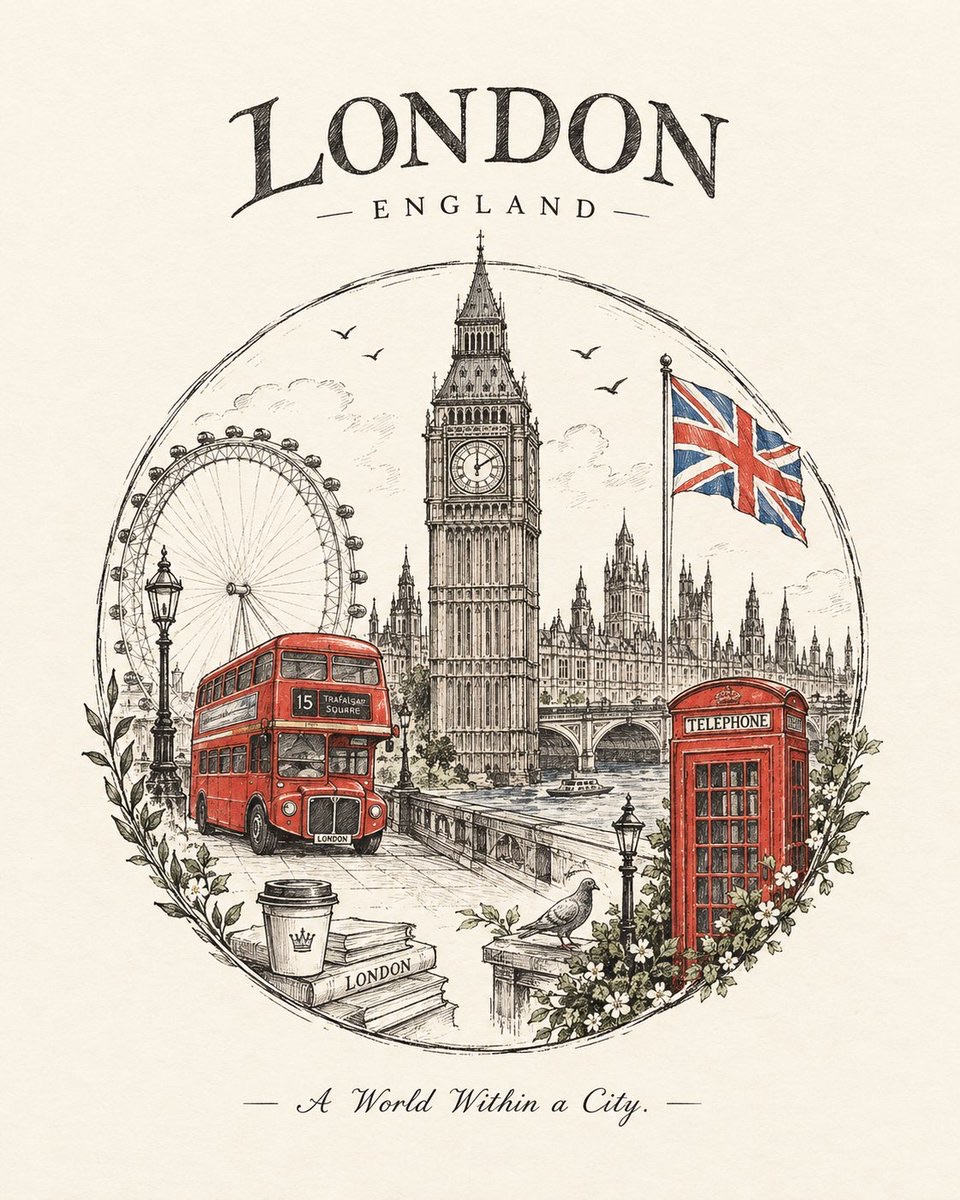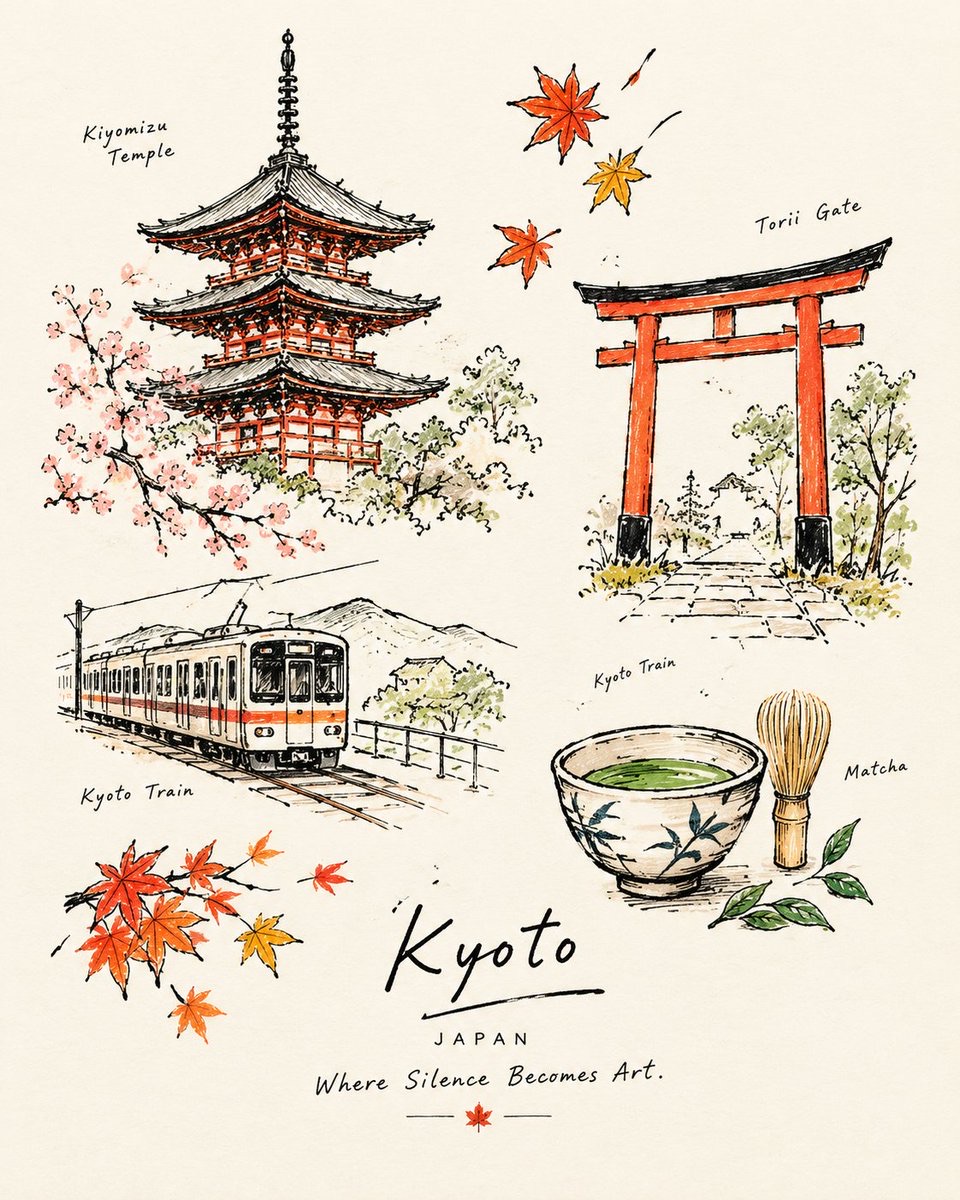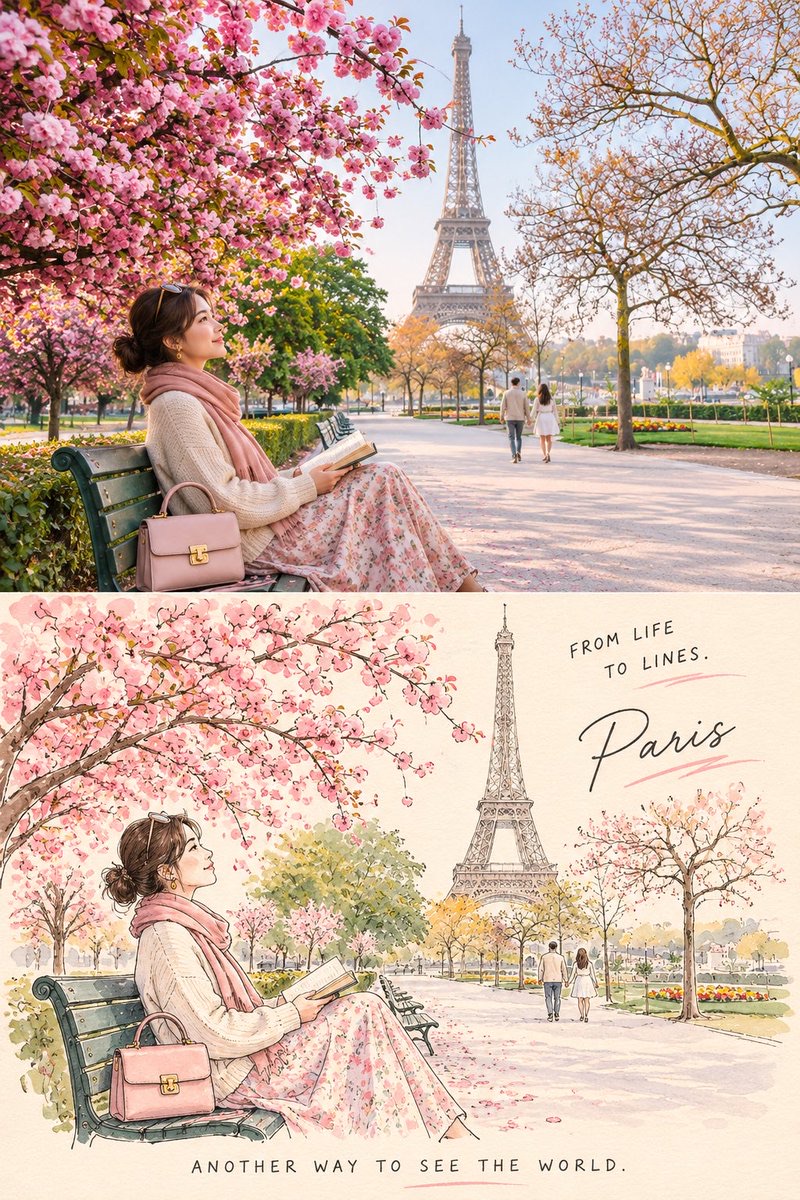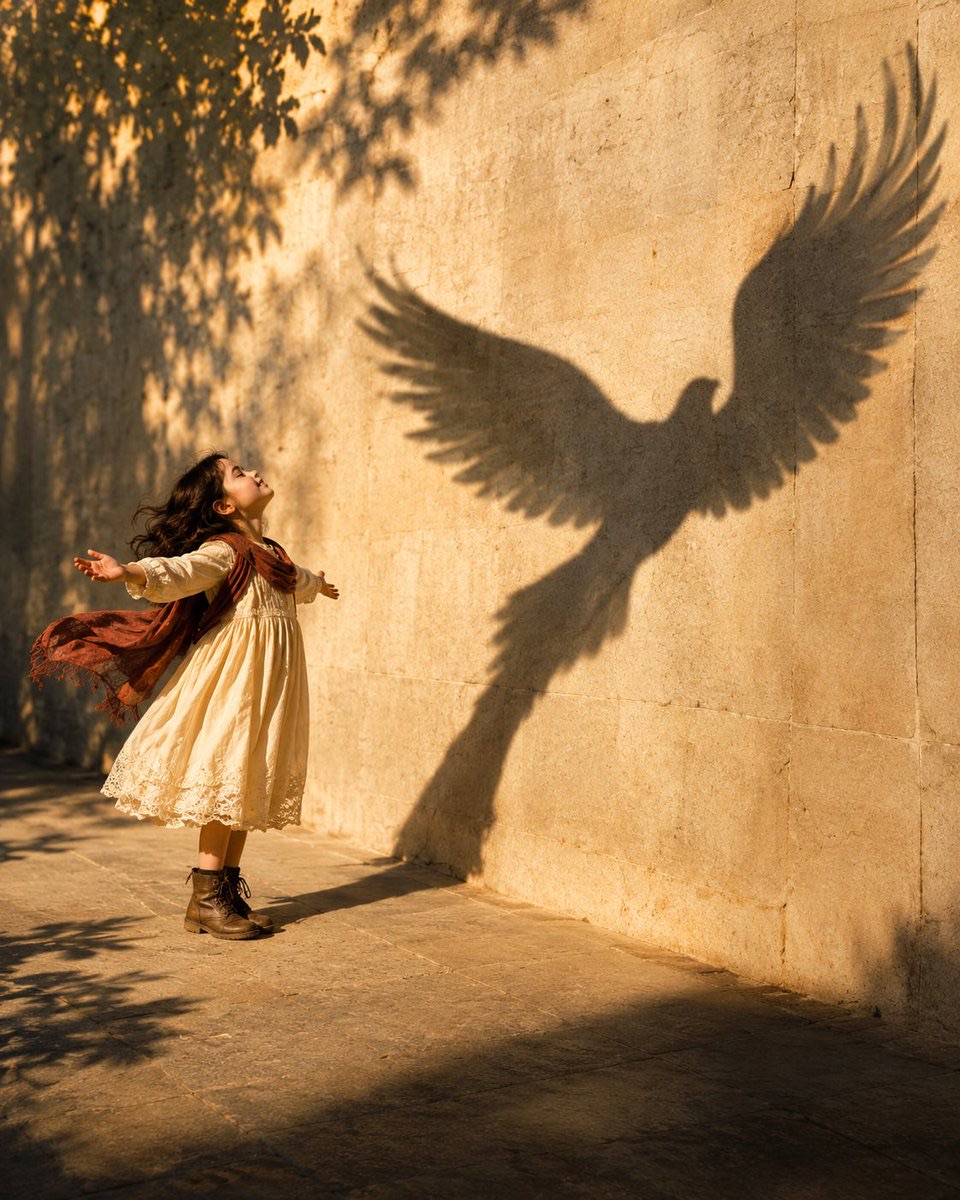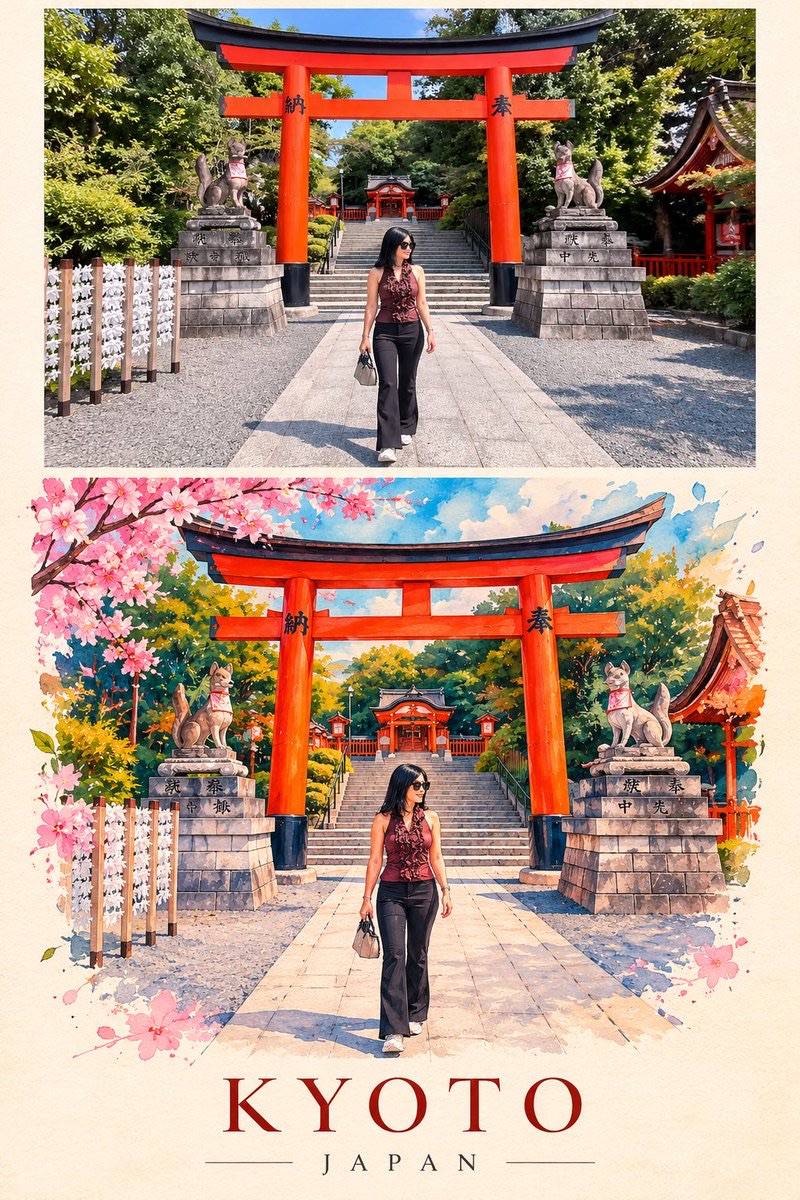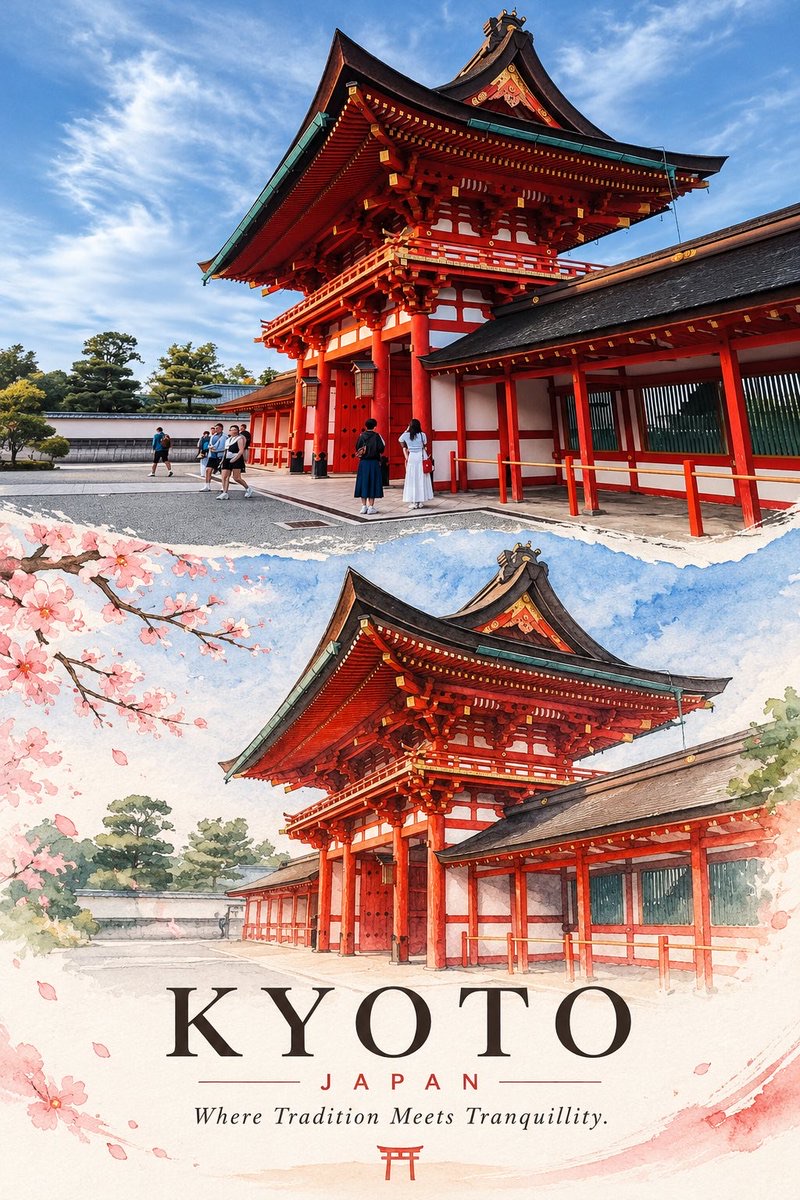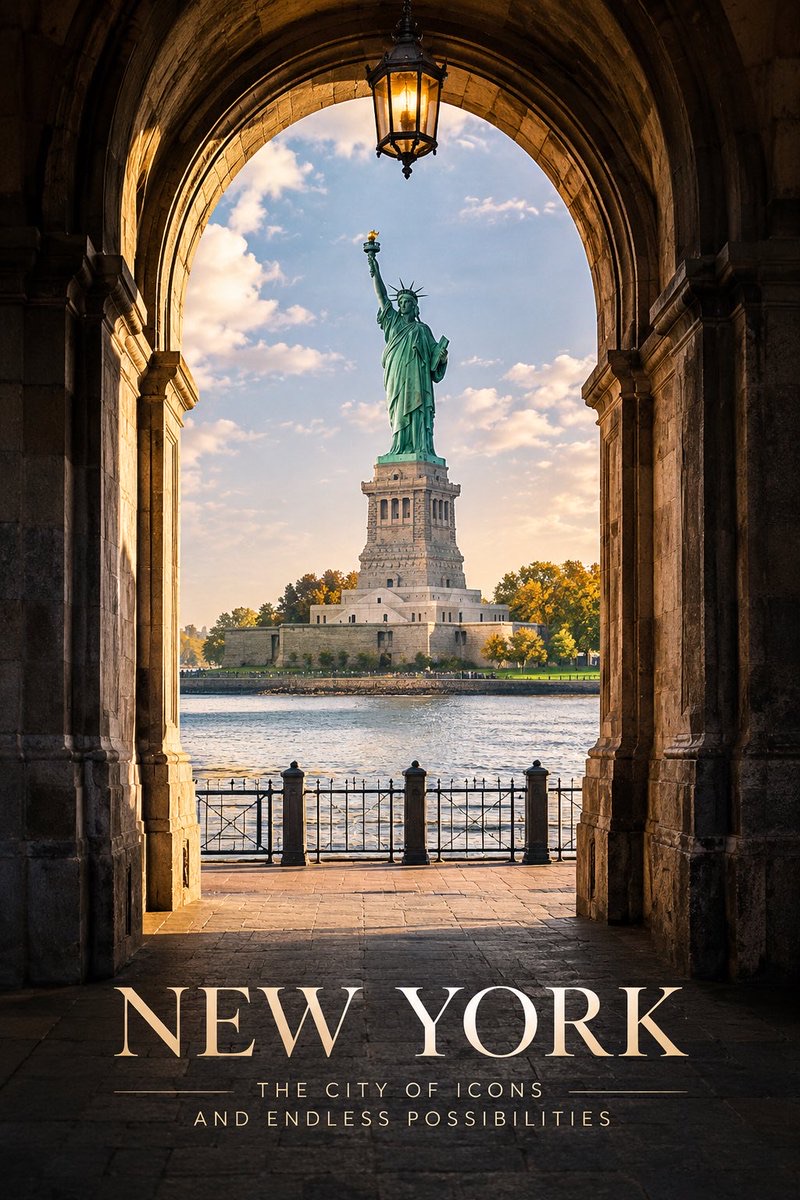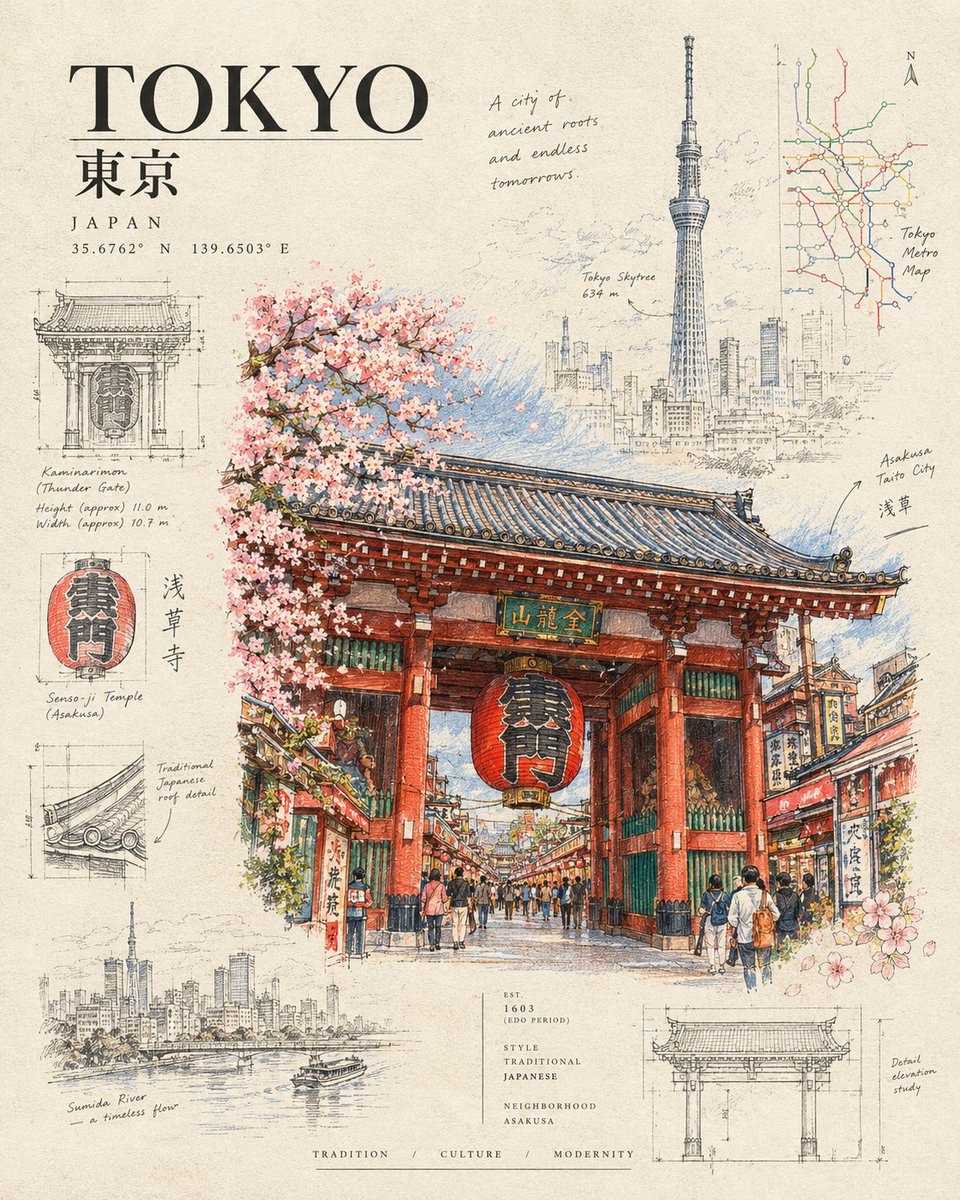
Image · GPT image 2.5
Architectural Passport Archive Poster
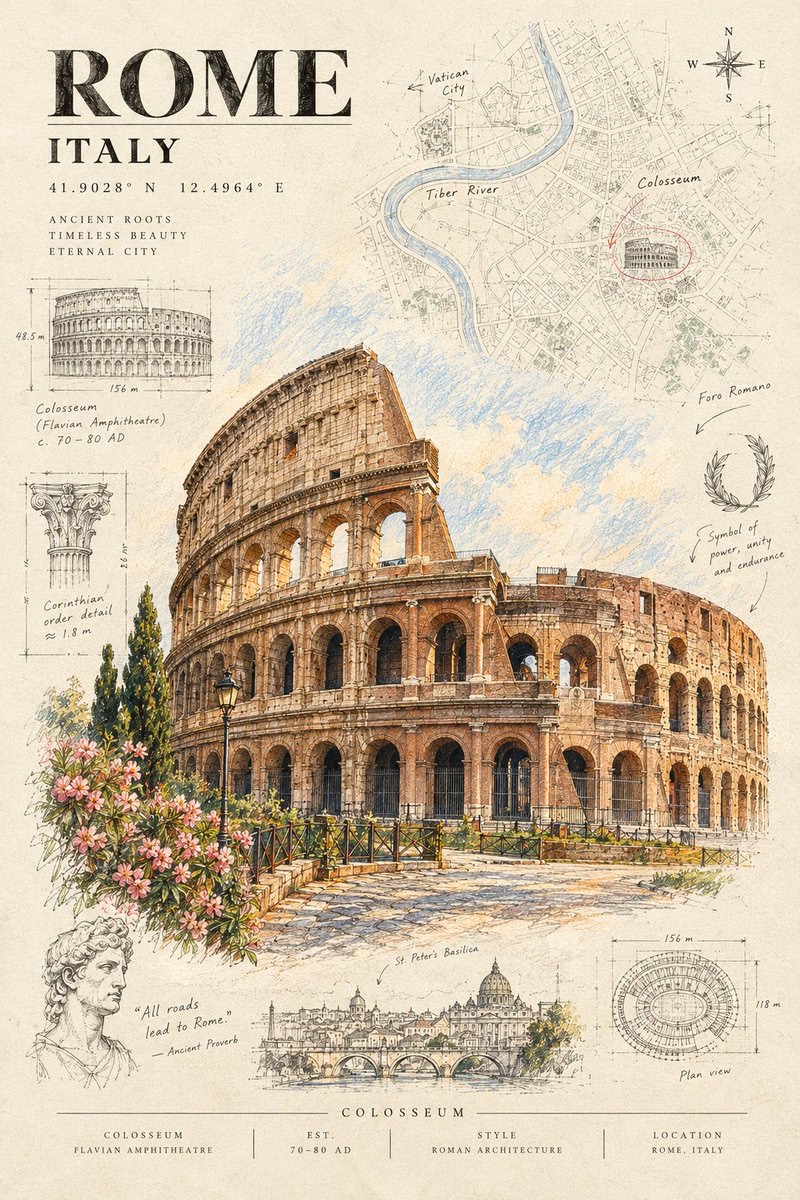
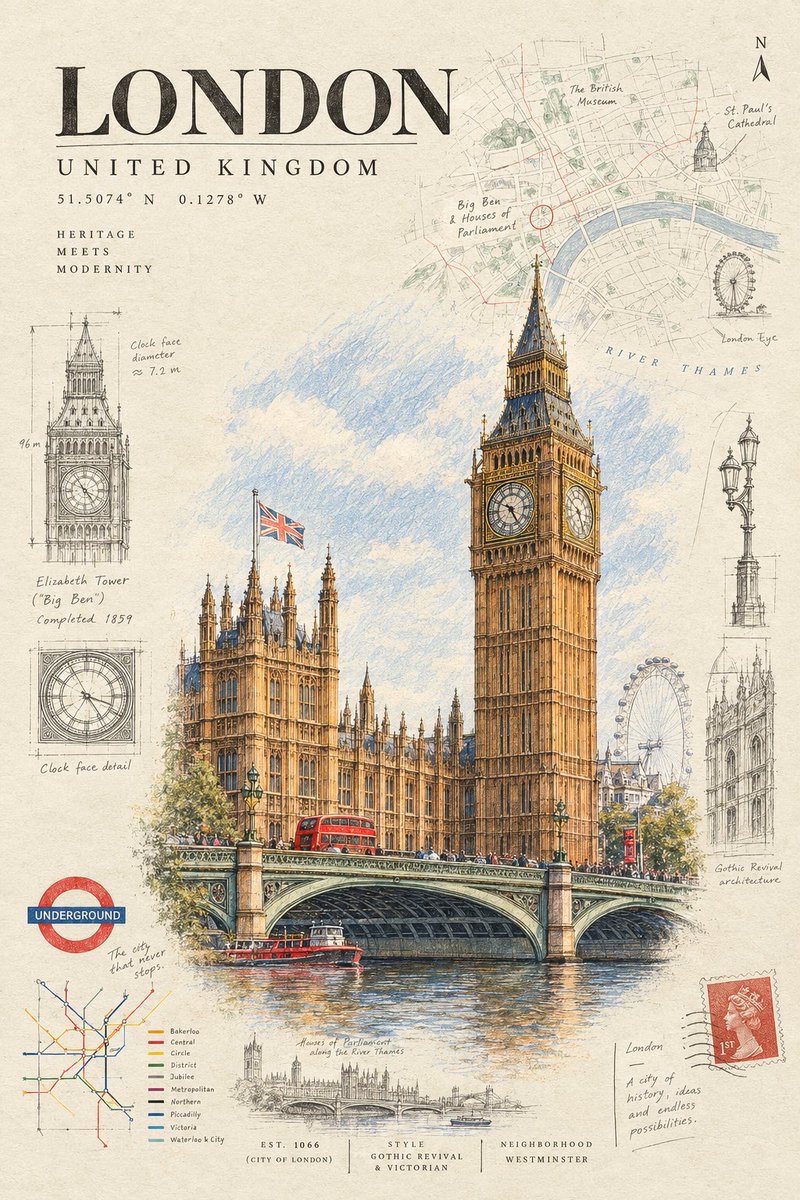
Present an urban landmark as a collectible architectural travel poster combining colored-pencil work, fine ink lines, architectural survey drawings, and a light watercolor texture.
 simeon-sanai@Naiknelofar788
Prompt
Create a highly detailed “Architectural Passport” travel poster for [CITY / LANDMARK], designed to look like a premium collectible art print that blends colored-pencil illustration, fine ink drawing, vintage architectural documentation, and subtle watercolor texture.

Place the landmark as the dramatic hero, drawn with intricate hand-rendered details, realistic perspective, delicate pencil hatching, visible paper grain, and carefully controlled pops of natural color. Surround it with a faint city map, street names, architectural measurements, tiny elevation sketches, construction lines, botanical details, directional arrows, and miniature diagrammatic studies.

Use an elegant warm ivory paper background with mostly muted graphite, charcoal, terracotta, olive green, dusty blue, and warm beige tones. Keep the background extremely clean and editorial, allowing the landmark to visually emerge from the page.

Add sophisticated typography:
[CITY]
[LANDMARK NAME]
small coordinates, founding/construction date, architectural style, neighborhood name, and tiny archival annotations.

Include one or two miniature architectural detail drawings beside the main structure, as if taken from an architect’s sketchbook. Add subtle imperfections: pencil smudges, uneven ink pressure, erased construction marks, paper fibers, faint halftone texture, and hand-drawn annotation marks.

The composition should feel like a cross between a vintage travel poster, an architectural magazine cover, a museum exhibition print, and a designer’s sketchbook.

Visual hook: make the landmark extremely detailed and colorful while the surrounding city information remains almost ghost-like, creating a striking contrast between “the place” and “the blueprint of the place.”

Vertical 4:5 composition, premium editorial design, sophisticated negative space, ultra-detailed hand illustration, realistic architectural perspective, tactile paper texture, collectible poster aesthetic, visually striking at thumbnail size, no photorealistic rendering, no 3D CGI look.
How to use
Usage: Replace the city and landmark names, and prepare accurate coordinates, construction or establishment dates, architectural styles, and neighborhood details; after generation, verify the building structure, map labels, and small text, correcting the text in layout software if necessary.
Details
- Type
- Image
- Model
- GPT image 2.5
- Source
- simeon-sanai
- License
- Source-author-rights
- Published