Image
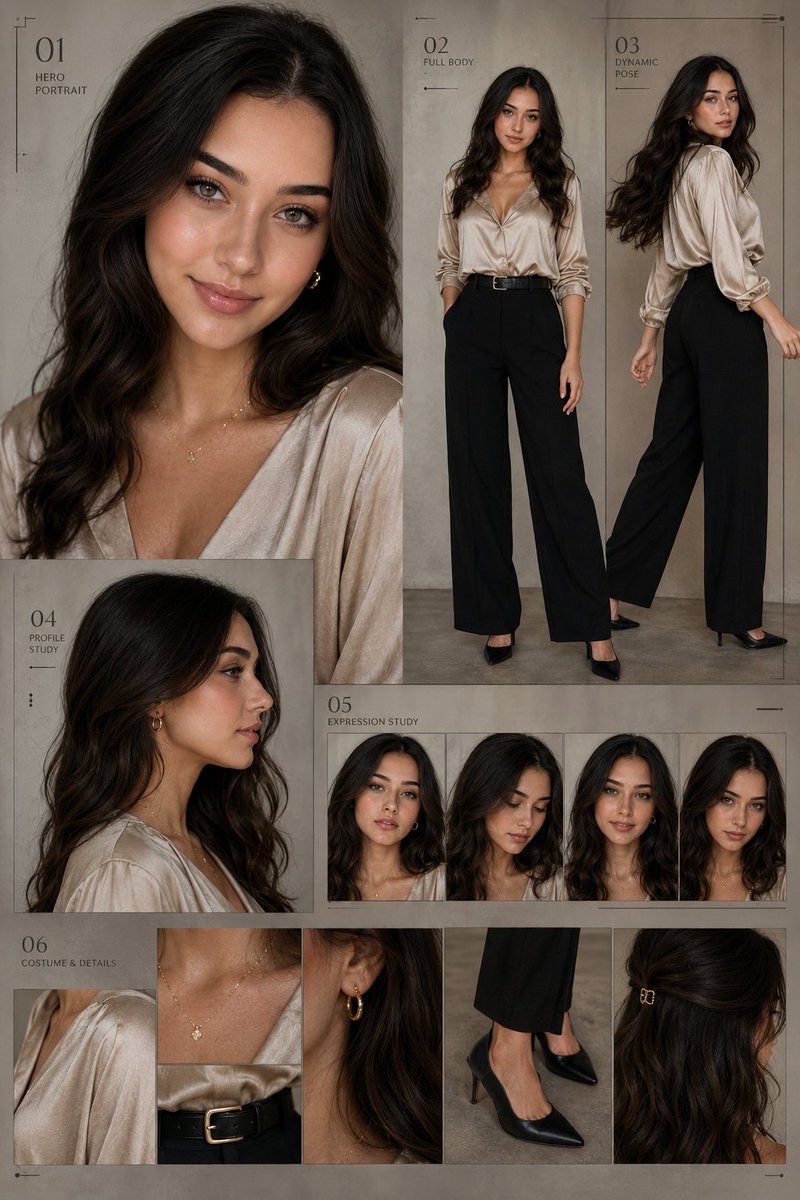
High-End Film Character Dossier-Style Presentation Board
Combine a portrait, full-body design, dynamic pose, profile, expressions, and costume details of the same character into an editorial-style character design board with a cinematic pre-production feel.
 M. Asif@meAsifAi
Prompt
Reference / Identity Lock: Use the uploaded reference image as the primary identity reference. Preserve the character’s recognizable facial identity, facial proportions, eyes, eyebrows, nose, lips, jawline, hairstyle, hair color, skin tone, age, and distinctive physical features with high consistency across every depiction. Do not redesign or beautify the face into a different person.

Create a high-end cinematic character presentation sheet featuring the same character in a sophisticated, editorial-style visual layout. The sheet should feel like a professional film character development board, not a generic turnaround sheet.

Character Presentation: Show the character through several carefully composed visual studies within one cohesive sheet:

1. Hero Portrait — a striking three-quarter portrait showing the character’s personality and overall styling.

2. Full-Body Character View — complete head-to-toe appearance with the entire outfit clearly visible.

3. Dynamic Pose Study — a natural, confident pose that reveals the character’s silhouette, body language, and clothing movement.

4. Profile / Facial Study — a clean side or near-profile view emphasizing the facial structure and hairstyle.

5. Expression Study — 3–4 subtle facial expressions ranging from neutral and thoughtful to confident and intense, while maintaining the exact same identity.

6. Costume & Detail Insets — elegant close-up studies of important styling elements such as fabric, jewelry, footwear, accessories, hairstyle, makeup, or distinctive character details.

Styling: Maintain the exact visual identity and core styling from the reference while presenting it as a refined cinematic character design. Clothing should have believable construction, realistic folds, seams, stitching, layering, and material behavior. Accessories should remain physically plausible and consistent across all views.

Composition: Arrange all studies on a single premium character-sheet canvas with a sophisticated editorial hierarchy. Use varied image sizes rather than identical boxes. The hero portrait should receive the largest visual emphasis, surrounded by smaller supporting studies and detail crops. Maintain clean negative space, intentional alignment, subtle visual rhythm, and strong separation between individual studies.

Use a restrained luxury art-direction aesthetic: minimal background, refined typography-like graphic elements without distracting readable text, subtle technical annotations, small character-detail markers, and an elegant studio presentation. The overall result should resemble a high-budget film pre-production character dossier / luxury fashion character board.

Environment & Background: Neutral studio environment with a softly textured warm-gray, ivory, charcoal, or muted neutral backdrop. No distracting scenery. Keep the background consistent enough to make every character study feel like part of the same production.

Lighting: Physically believable professional studio lighting. Soft directional key light with gentle fill and subtle controlled rim separation. Natural falloff across the face and clothing. Preserve realistic skin highlights, fabric response, hair reflections, and dimensional shadows. Avoid artificial glowing edges or excessive dramatic effects.

Camera & Lens: Photorealistic full-frame photography aesthetic. Portrait studies captured with approximately 85mm–105mm perspective; full-body and environmental studies around 50mm–70mm. Natural perspective, realistic depth of field, accurate proportions, subtle lens compression, and professional fashion-editorial framing.

Material & Skin Realism: Highly realistic skin texture with visible natural pores and subtle imperfections. Individual hair strands, realistic eyes, believable eyelashes, natural lips, physically accurate fabric texture, stitching, leather/metal/glass material response, and authentic clothing wrinkles.
How to use
Usage tip: Upload a clear character reference image as the basis for identity and styling, then give the prompt to an image-generation tool that supports reference-image input. Suitable for character design presentations, fashion concept boards, or film and television pre-production visual proposals.
Details
More from M. Asif
-
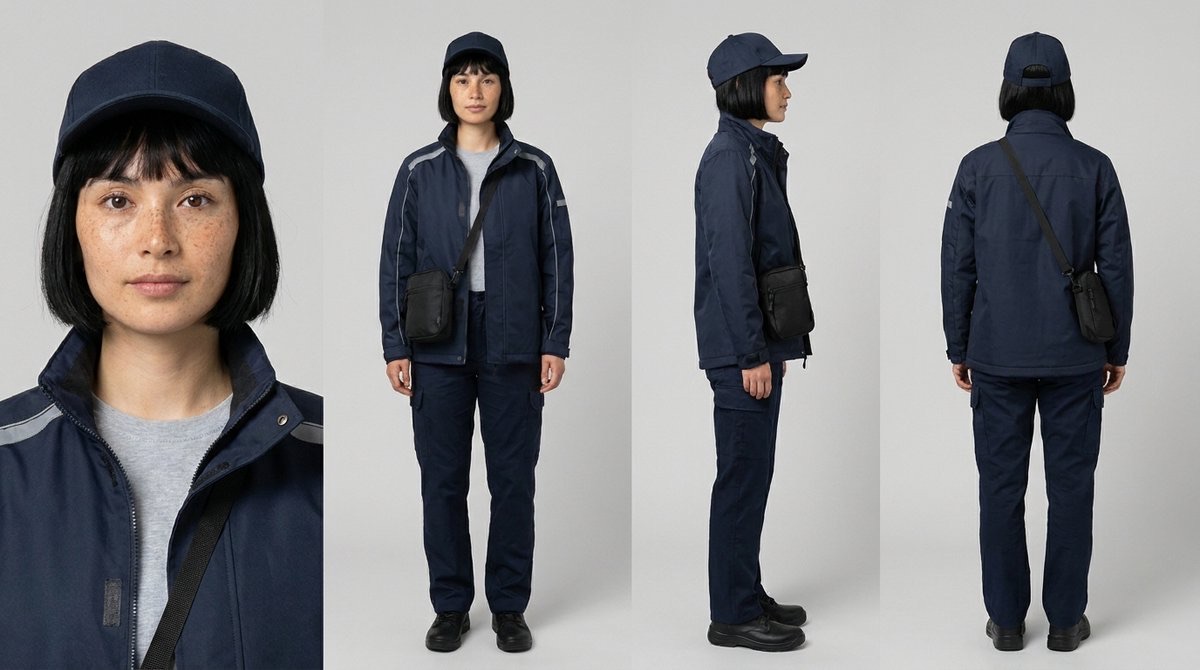
Four-View Character Reference Sheet
-
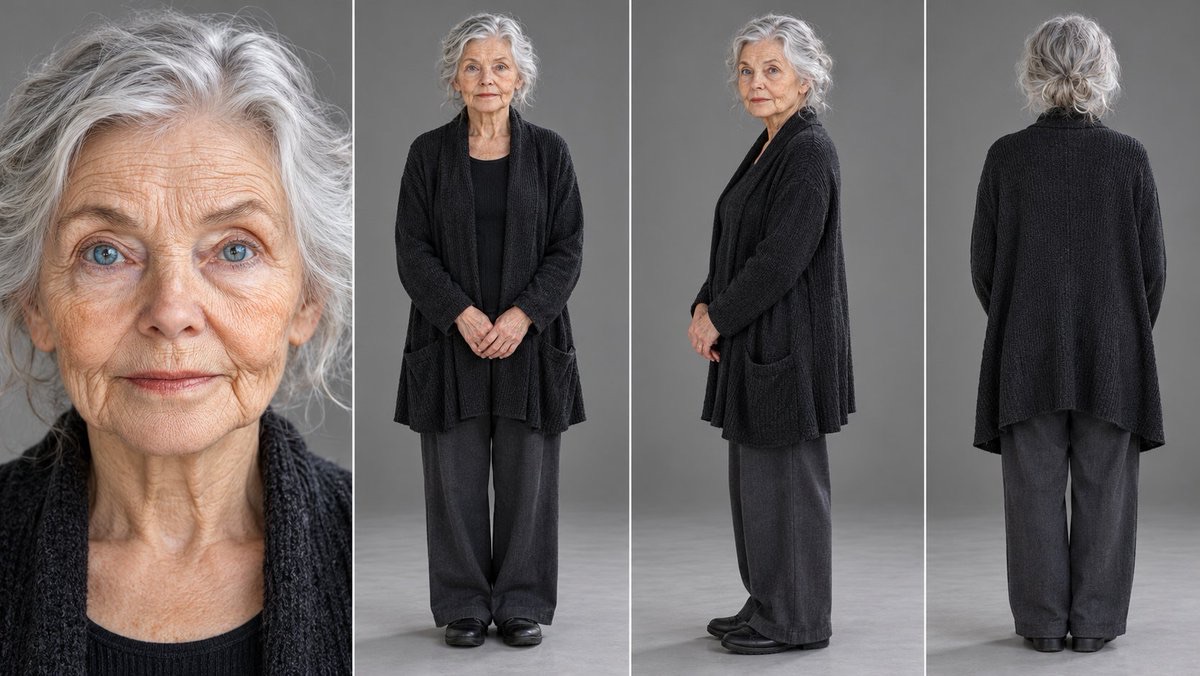
Universal Four-View Reference Sheet
-
Girl and Black Panther Film Shot
-
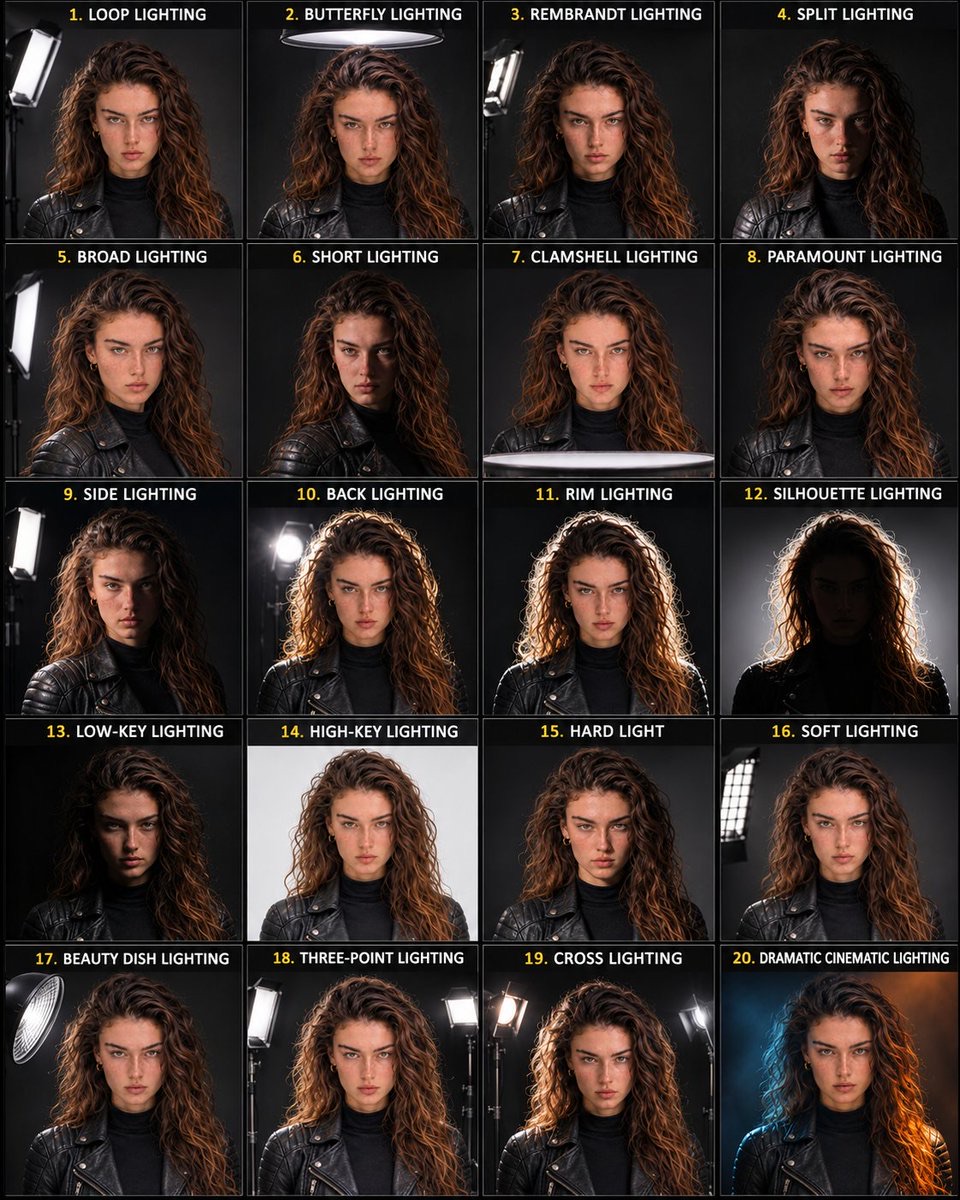
Portrait Lighting Reference Sheet
-
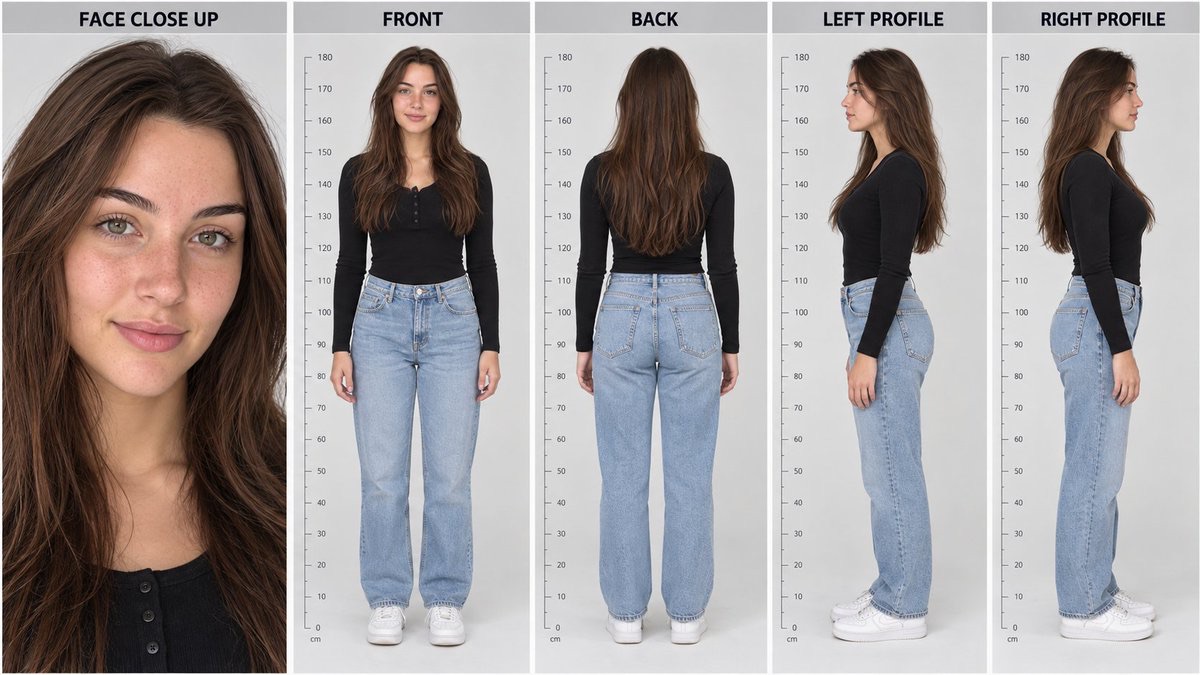
Five-View Realistic Character Reference Sheet
-
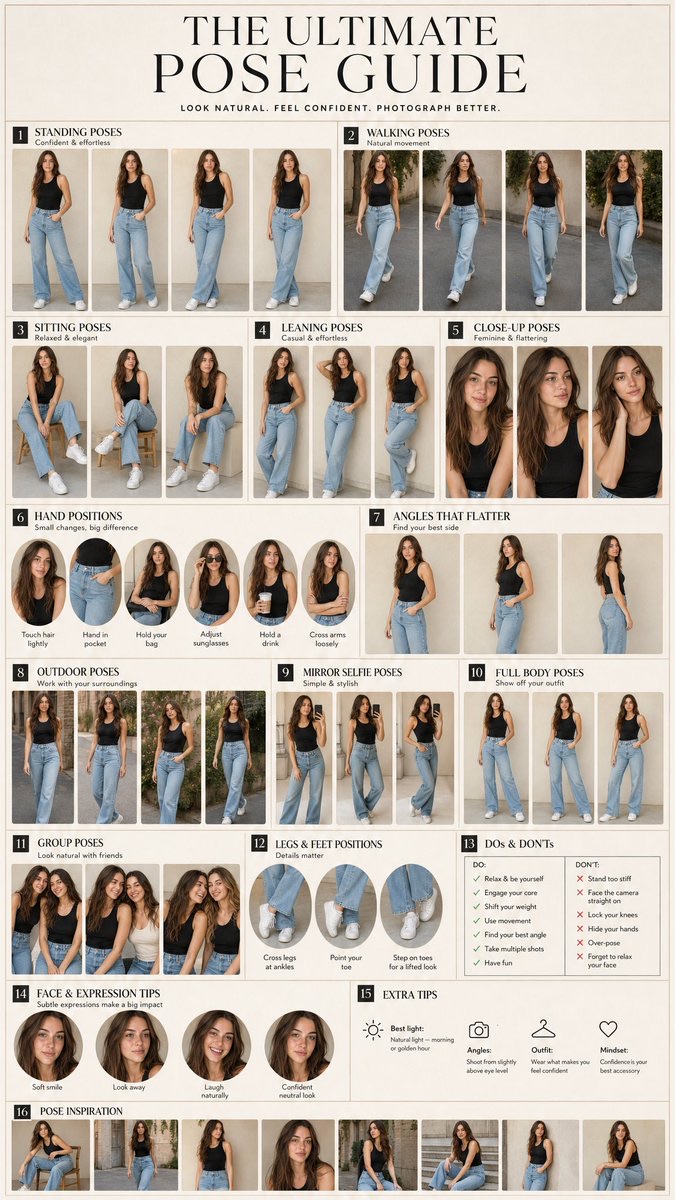
16-Panel Fashion Pose Guide of the Same Person
-
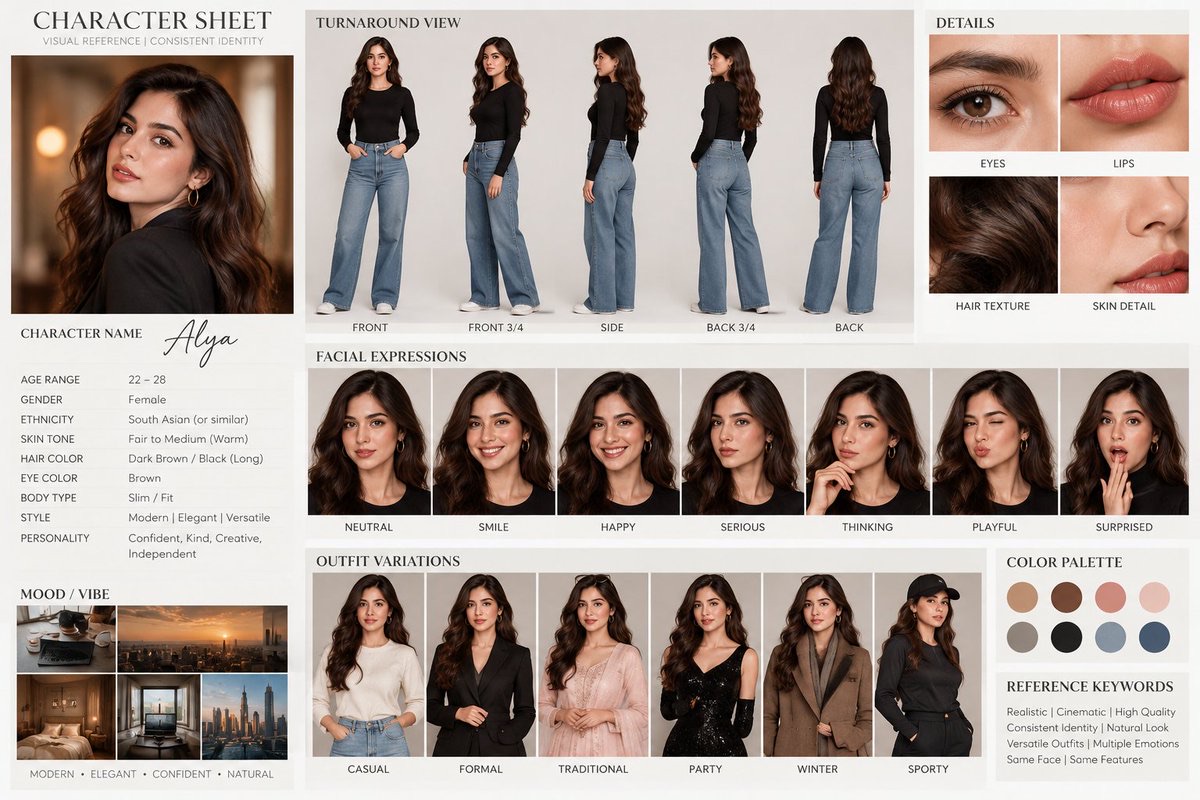
Cinematic Alya Character Design Sheet
-
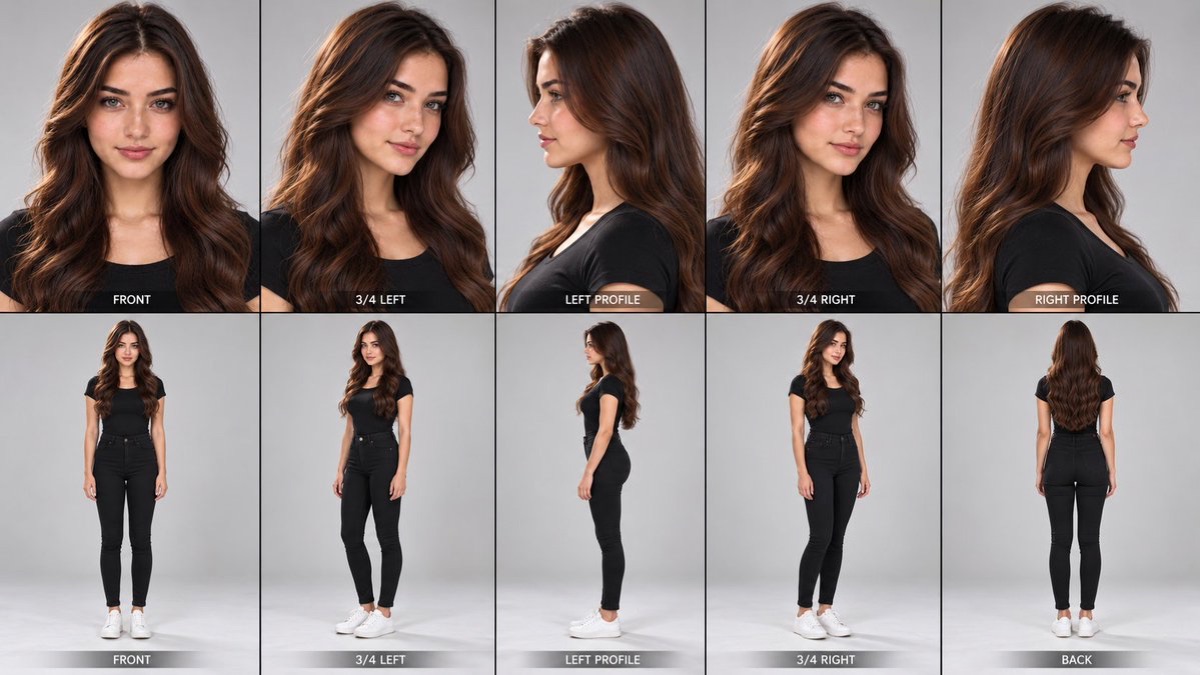
Ten-Panel Character Consistency Reference Sheet