Image
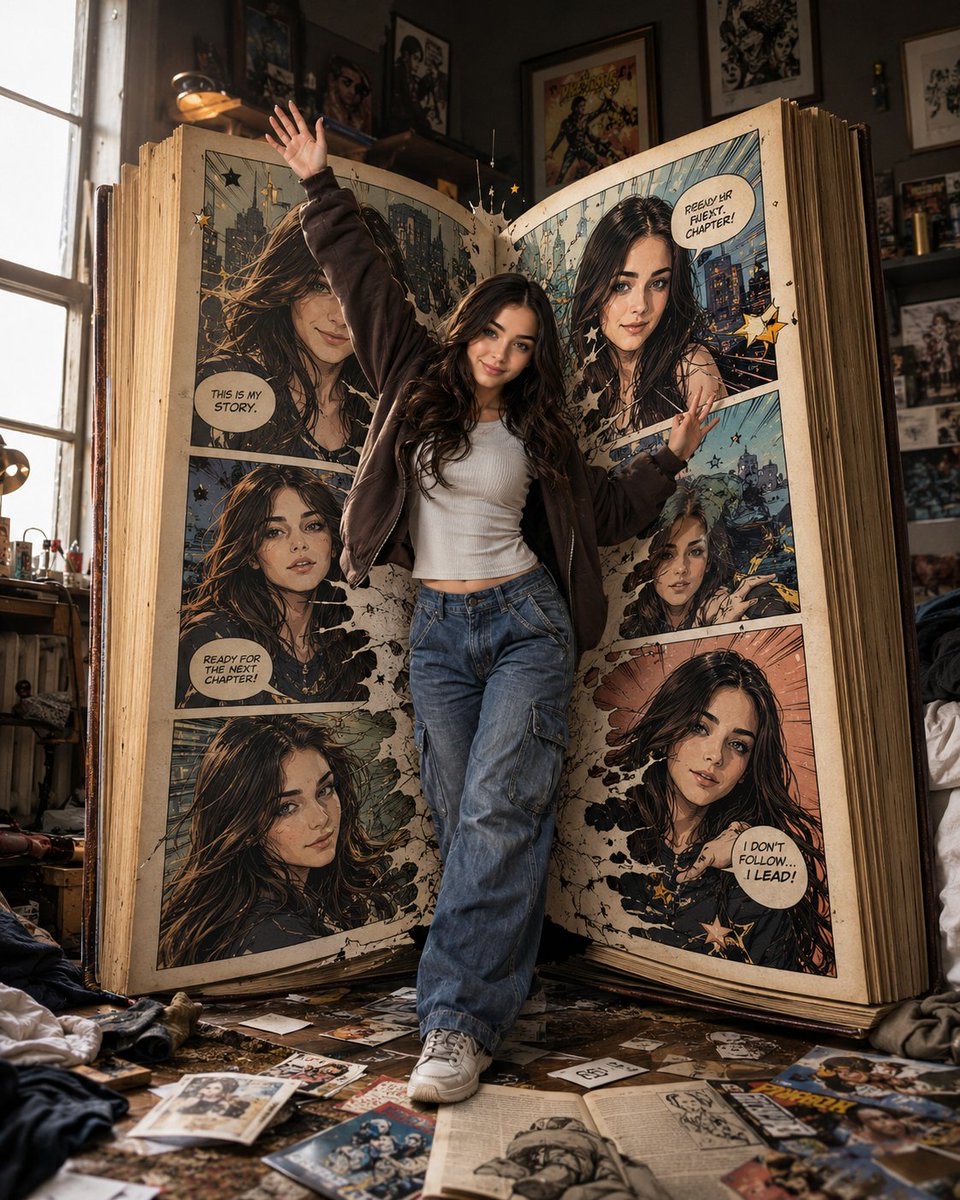
Surreal Portrait Leaping from a Comic Book Page into Reality
Place the user-uploaded portrait between a giant open comic book and a real studio, blending realistic photography, hand-drawn comic panels, and cinematic lighting to create a vertical editorial poster.
 M. Asif@meAsifAi
Prompt
Use the uploaded photo as the ONLY identity reference. Preserve the person’s exact recognizable face, facial structure, hairstyle, skin tone, age, and distinctive features. CONCEPT: Create a surreal cinematic scene where the person is physically emerging from the center of a gigantic open comic book, as if they have stepped out of its illustrated pages into the real world. Surround the subject with detailed comic panels showing different illustrated versions of the same person, creating a seamless transition between reality and comic art. POSE & COMPOSITION: Full-body central subject standing dynamically between the two giant pages, arms raised with energetic movement, surrounded by oversized illustrated panels. The comic book should feel enormous and physically present in the room, with thick aged paper edges and dimensional pages. STYLE: Photorealistic surrealism mixed with vibrant hand-drawn comic-book artwork, realistic skin and clothing, detailed ink illustrations, cinematic lighting, natural shadows, realistic paper texture, dramatic depth, subtle warm indoor atmosphere. ENVIRONMENT: Messy creative bedroom/studio, scattered comic books, papers, clothes and objects on the floor, framed comic artwork on the walls, large window with soft daylight, realistic room details and depth of field. IMPORTANT: Automatically style the person’s clothing appropriately according to their gender and appearance in the uploaded photo. Never change their gender or force inappropriate clothing. OUTPUT: Vertical 4:5, premium cinematic photography, highly detailed, realistic compositing, sharp subject, dynamic perspective, surreal editorial poster aesthetic, 8K, no watermark.
How to use
Usage suggestion: Upload a clear, front-facing or full-body portrait as the sole identity reference, and use it with a tool that supports image reference and image generation. After generation, check the face, hands, comic-page perspective, and occlusion relationships between the person and the paper.
Details
More from M. Asif
-
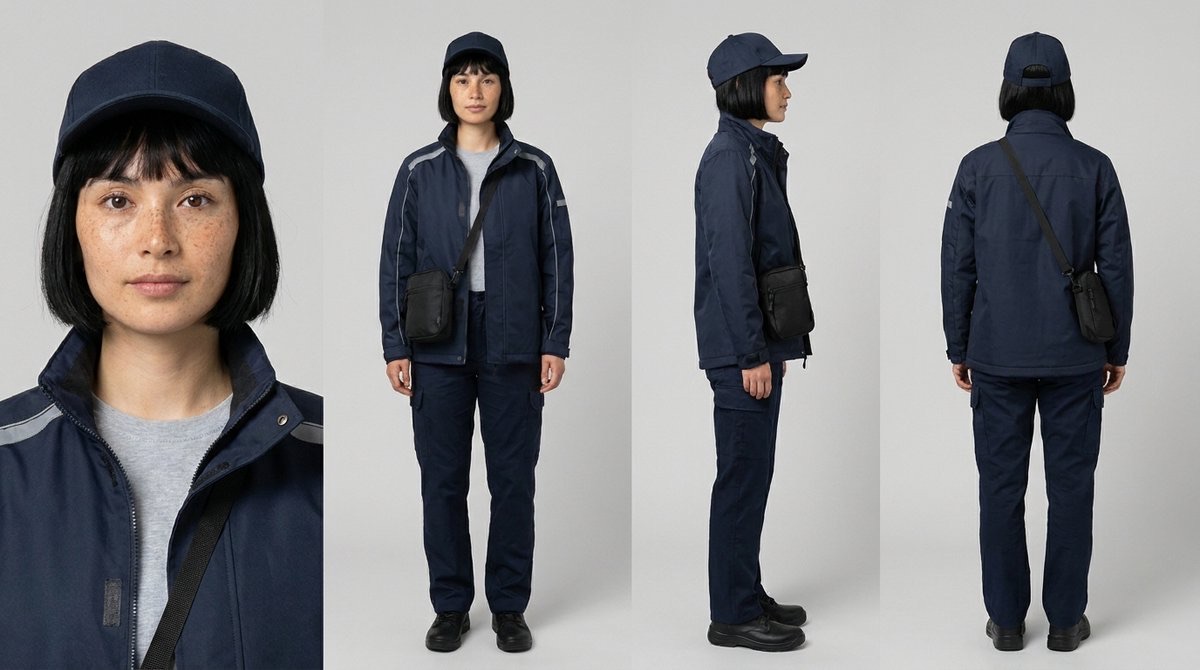
Four-View Character Reference Sheet
-
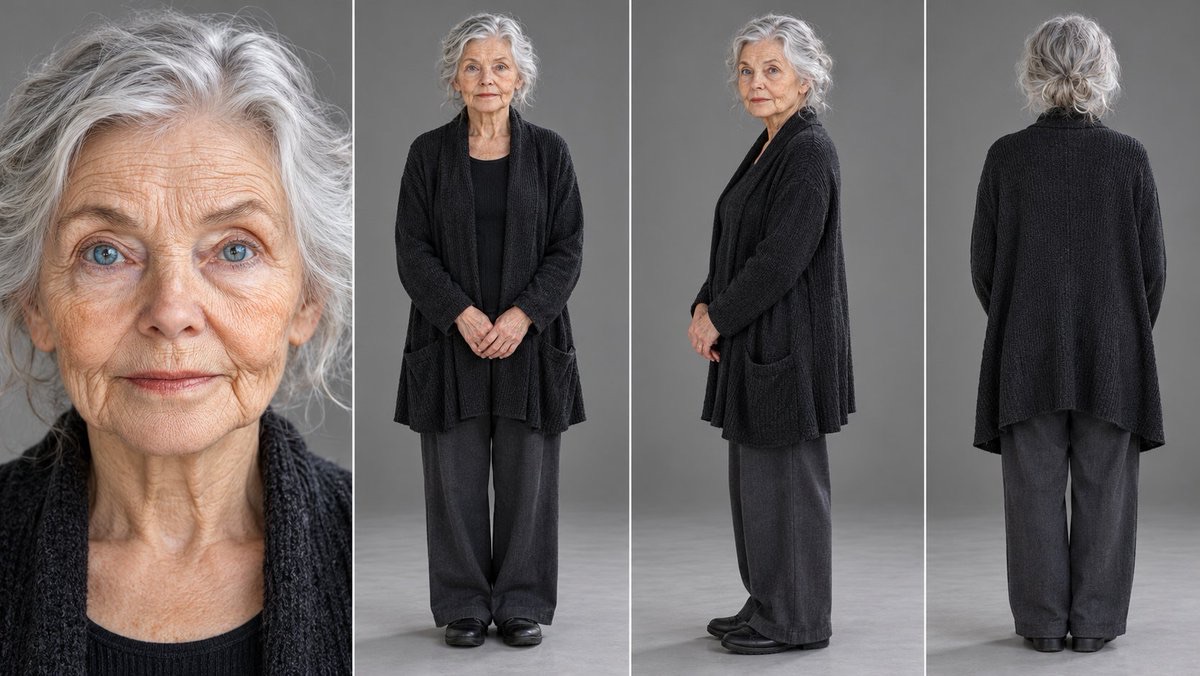
Universal Four-View Reference Sheet
-
Girl and Black Panther Film Shot
-
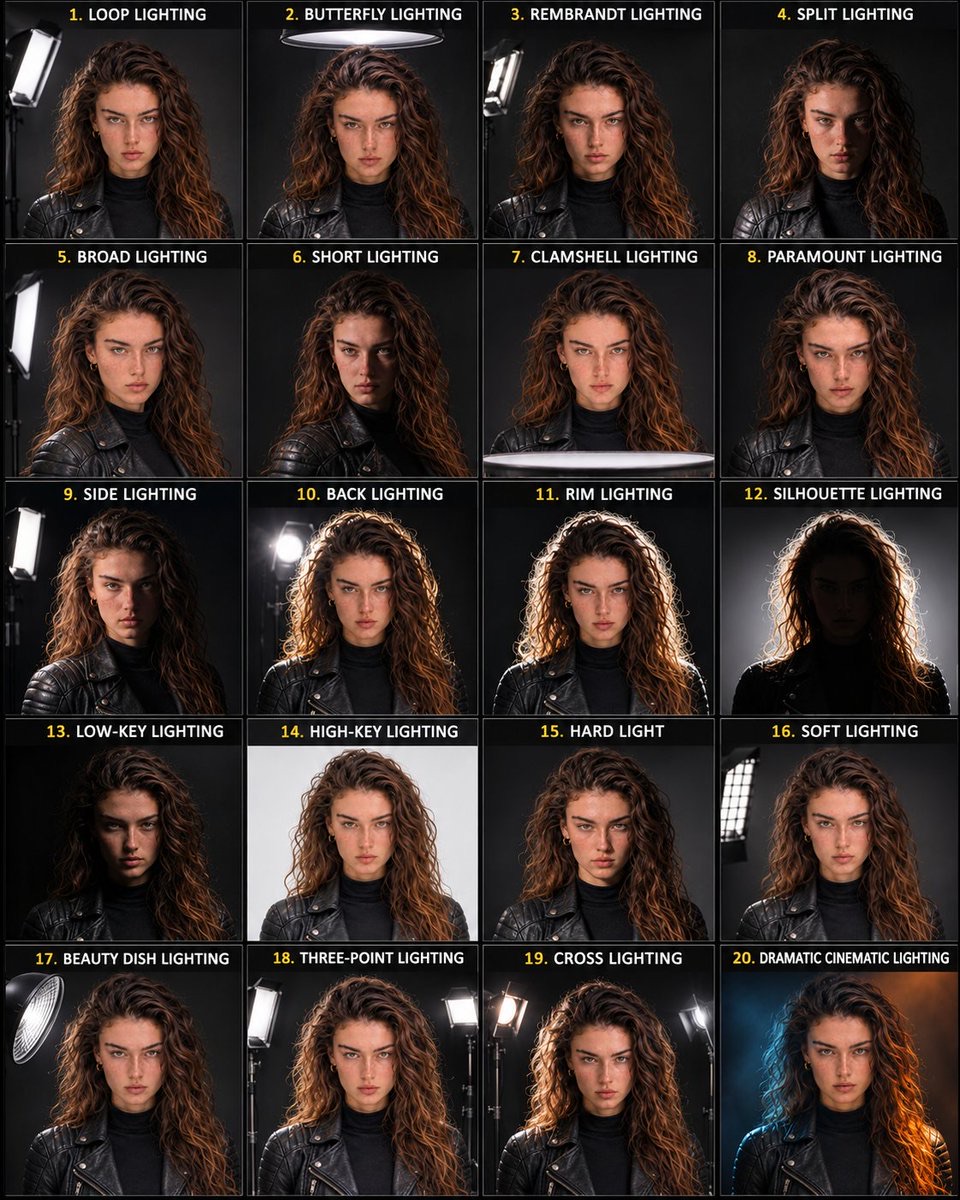
Portrait Lighting Reference Sheet
-
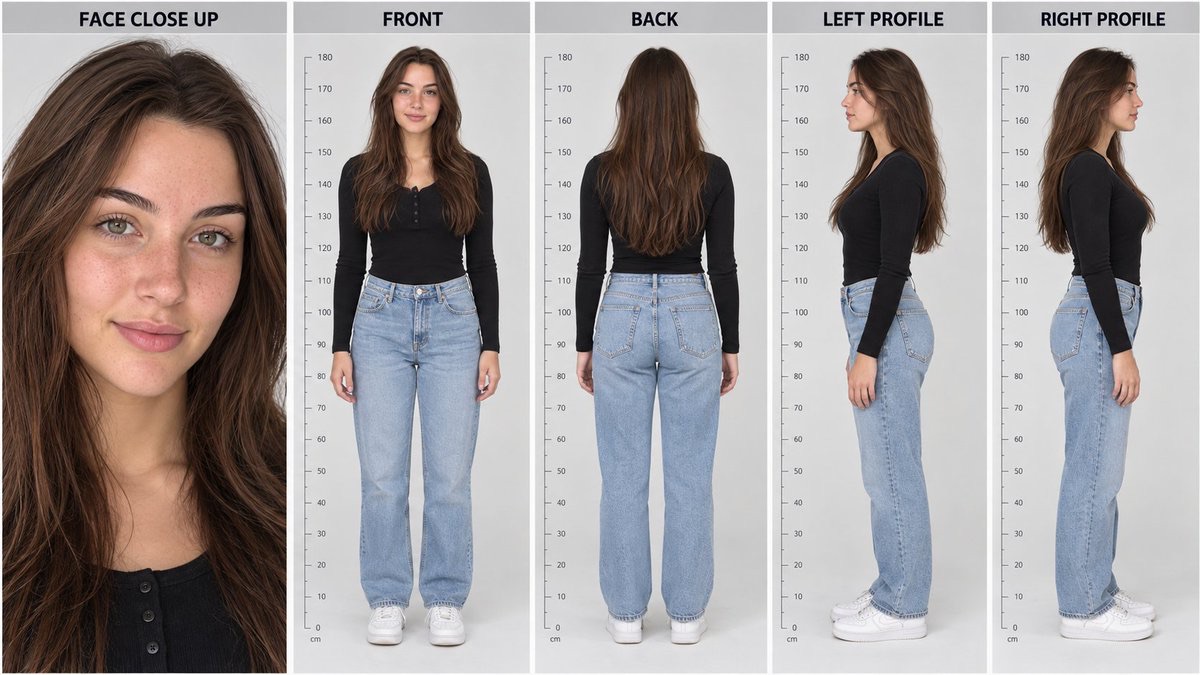
Five-View Realistic Character Reference Sheet
-
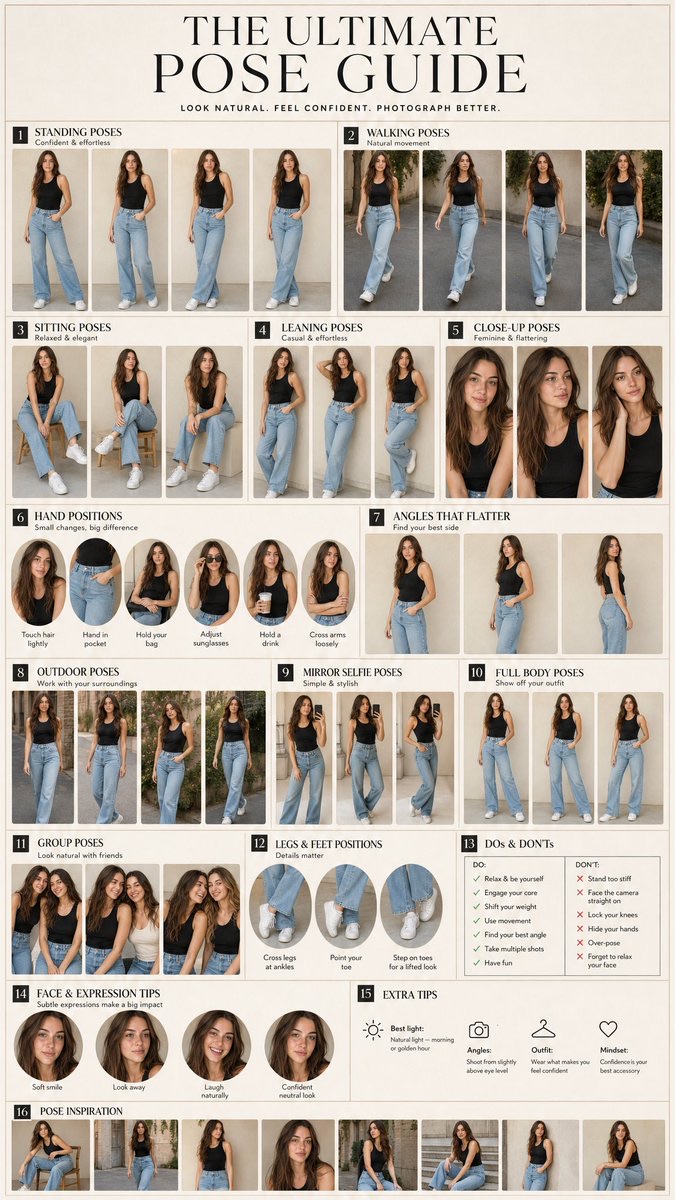
16-Panel Fashion Pose Guide of the Same Person
-
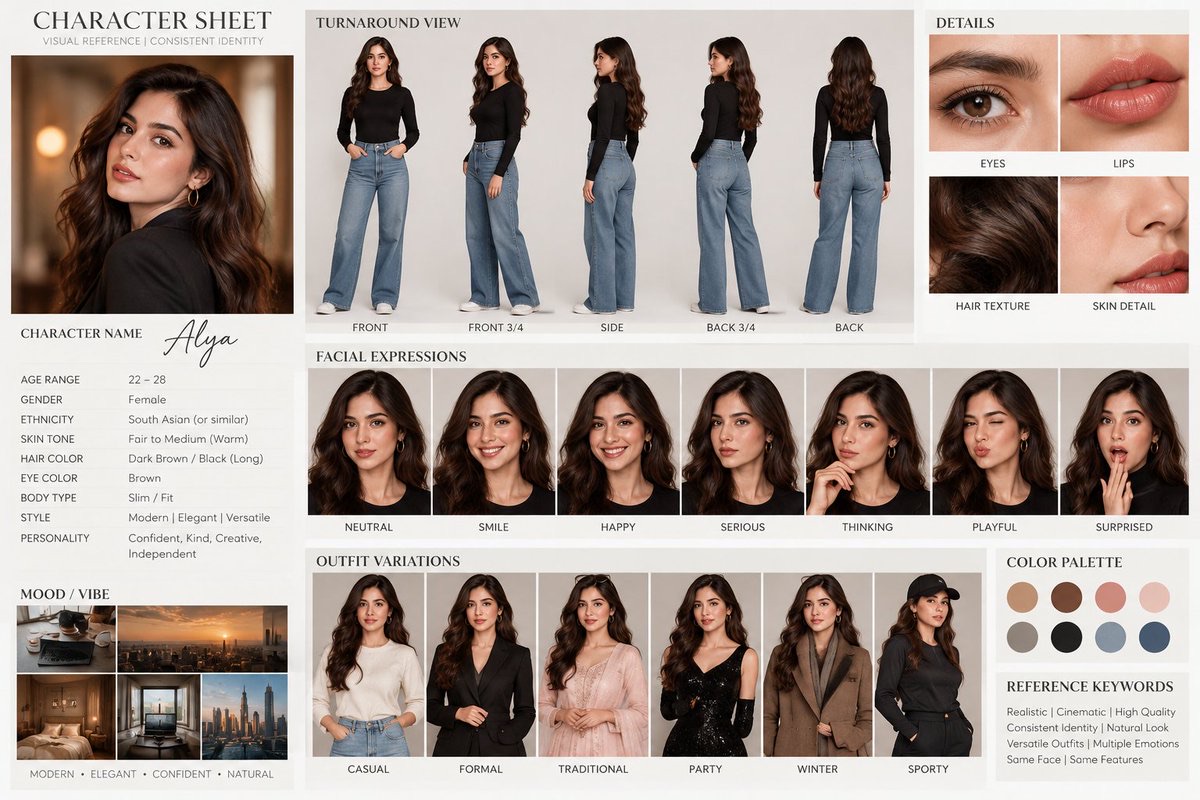
Cinematic Alya Character Design Sheet
-
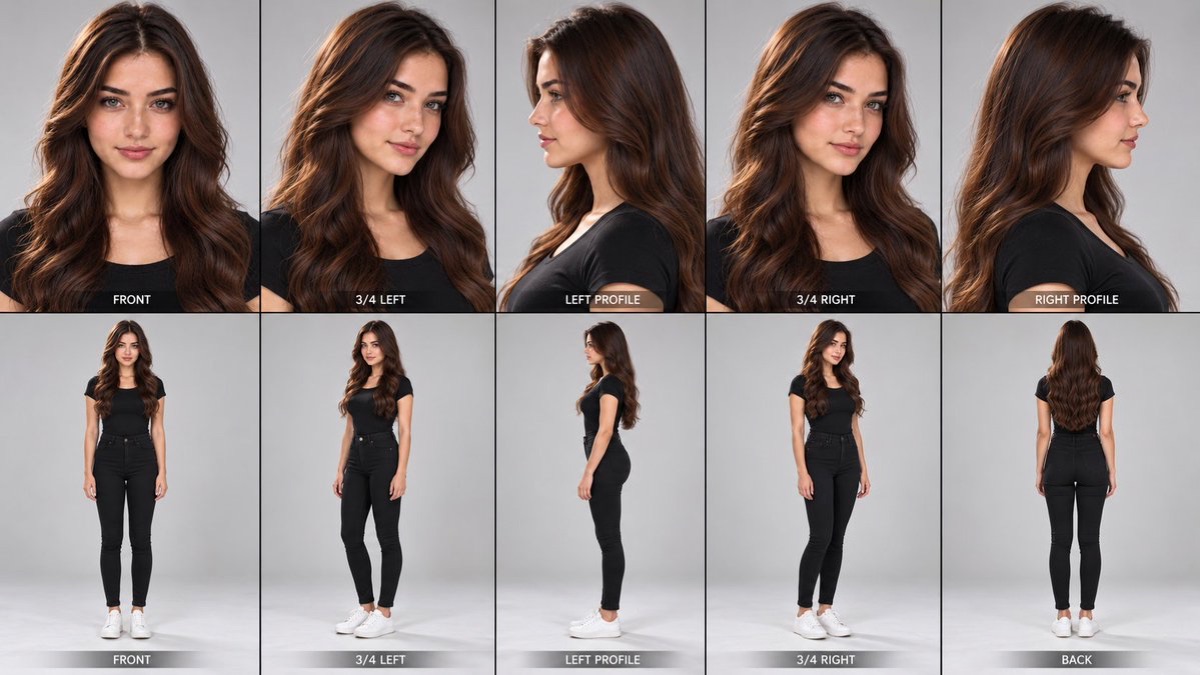
Ten-Panel Character Consistency Reference Sheet