Image
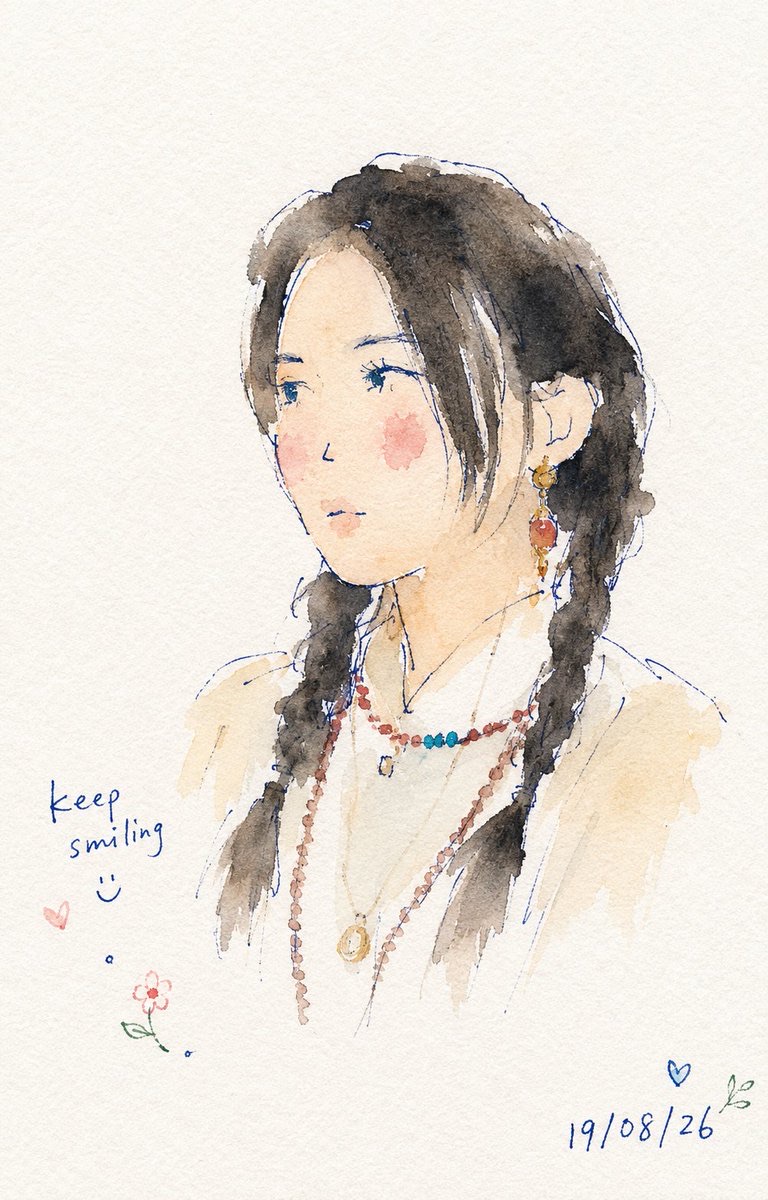
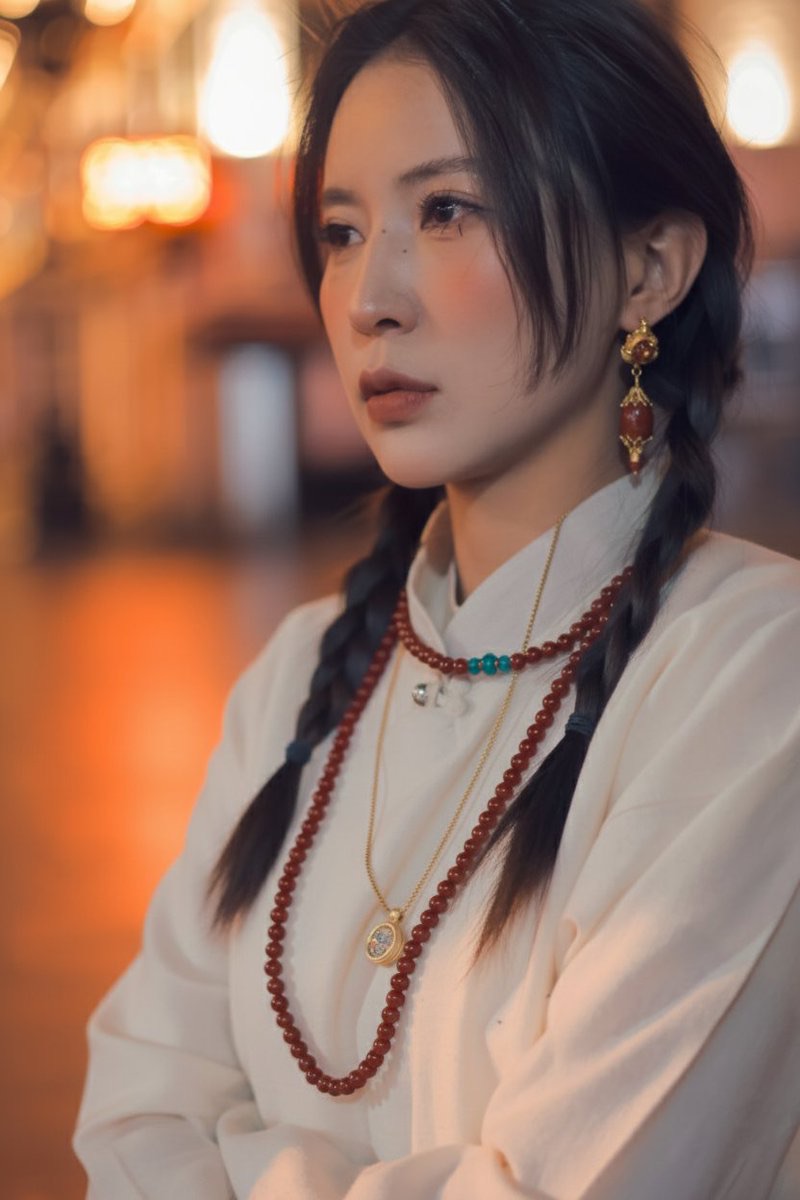
留白感记忆水彩肖像
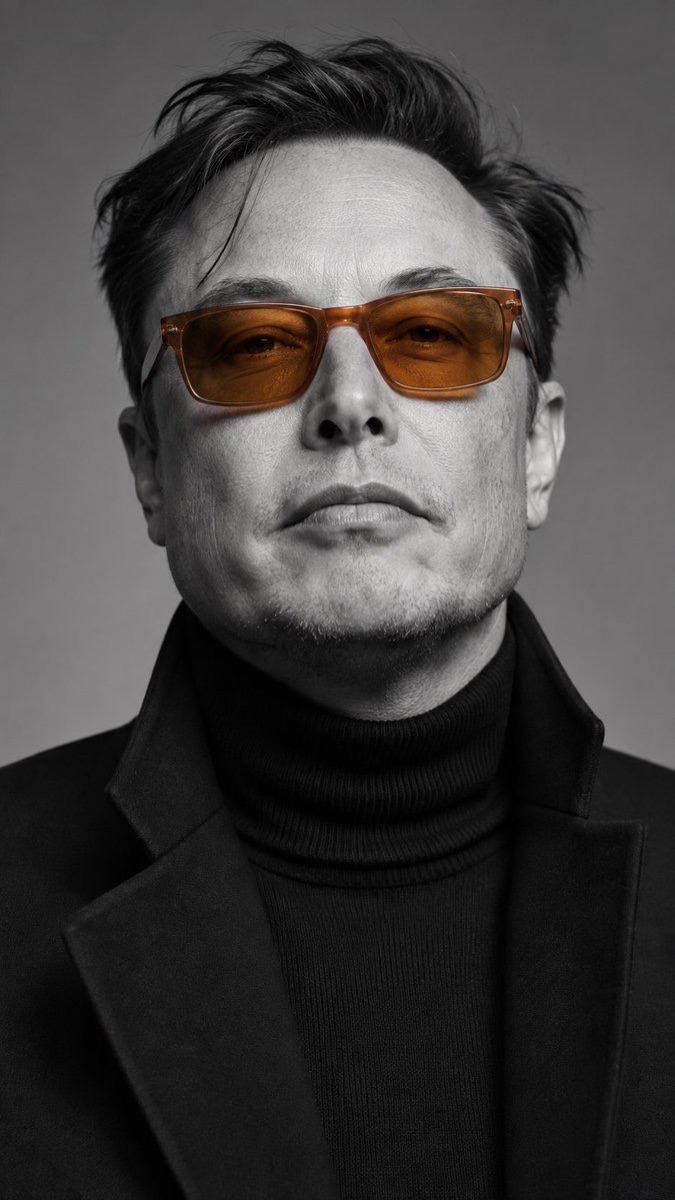
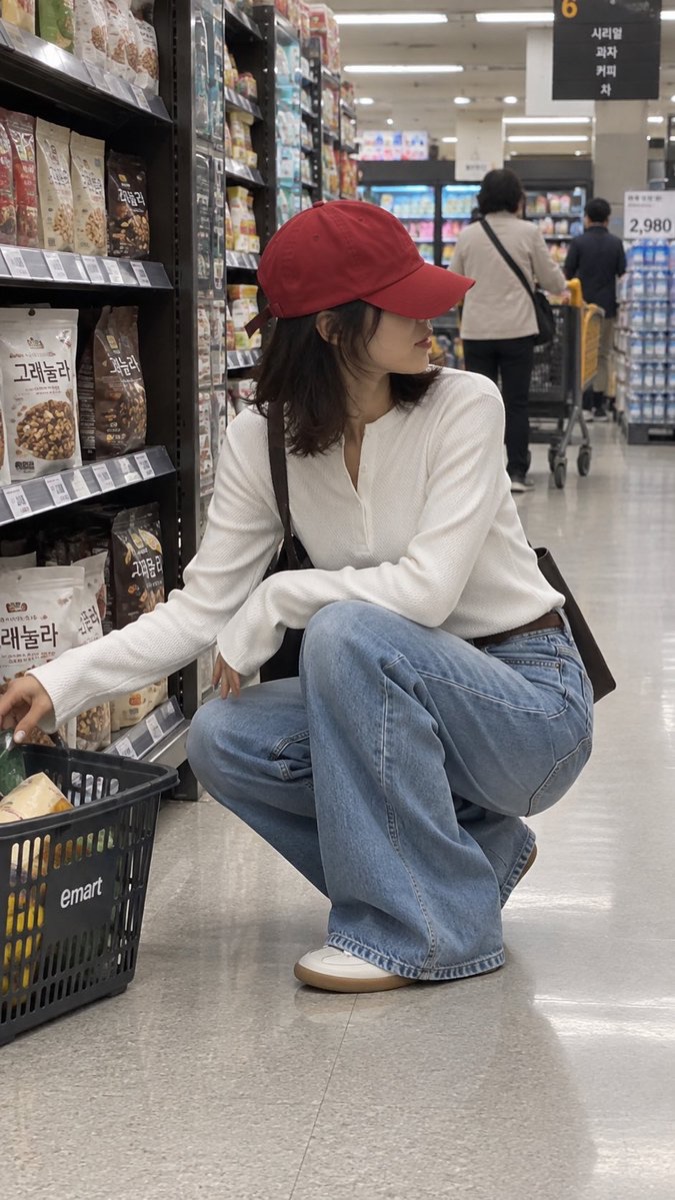
将用户上传的人像照片转化为一幅带有蓝色墨线、湿润水彩色块和大量纸张留白的朴拙记忆肖像。
 虎小象@hx831126
Prompt
# ROLE

Turn the uploaded photograph into a **small naïve watercolor memory portrait on paper**.

Imagine an independent artist looks at the person for a few moments, remembers only the most distinctive impressions, then paints them quickly from memory.

**Look once. Remember a few things. Paint quickly. Never correct. Stop early.**

# LIKENESS

Do not build likeness through accurate anatomy.

Capture the person through only a few memorable cues:

* overall hair shape
* face silhouette
* glasses or facial hair when distinctive
* one characteristic feature
* one or two important clothing colors
* one recognizable accessory when necessary

The portrait should feel **surprisingly recognizable despite containing very little information**.

Leave most information unresolved.

# DRAWING LOGIC

Draw as if every mark costs time.

Use very few marks.

One line may describe an entire eye.

One bent line may describe the nose.

One tiny stroke may describe the mouth.

A face contour may be incomplete.

An ear may be only half suggested.

Shoulders may be two loose strokes.

Clothing may disappear before reaching the bottom of the page.

Do not finish forms simply because they can be finished.

# FACE

Treat the face almost like a collection of symbols.

Eyes:
two short blue-ink marks, unequal and slightly misplaced.

Nose:
one tiny hook, angle, dash, or dot.

Mouth:
one small casual curve or two short strokes.

Cheeks:
two irregular pink watercolor dabs.

The two sides of the face do not need to match.

Features may sit slightly too high, low, close, or far apart.

This slight awkwardness is part of the charm.

# HAIR

Hair is not drawn strand by strand.

Load a soft brush with watery dark pigment and describe the hairstyle using only a few broad brush movements.

Let the pigment:

spread,
pool,
overlap,
fade,
leave dry gaps,
and form irregular edges.

A large part of the hairstyle may be created with **one or two decisive wet brush sweeps**.

Afterward, add only a few loose blue-ink lines if needed.

The hair should feel like **a memory of hair expressed through wet pigment**, not an illustration of hair.

# CLOTHING

Treat clothing the same way.

Use a few broad watercolor washes to suggest the main garment and its dominant color.

One brushstroke may become a sleeve.

One wash may become the entire torso.

Leave gaps.

Let edges dissolve into blank paper.

Only add a few blue lines where they help recognition.

Do not fully describe garment construction.

# MARK MAKING

Use thin blue or blue-violet ink with the casual feeling of a cheap pen used directly on watercolor paper.

The line may:

wobble,
stop suddenly,
overshoot,
double back,
miss the watercolor edge,
or remain unfinished.

Do not clean up mistakes.

Do not redraw a line simply because the first one was imperfect.

The first mark is often the final mark.

# WATERCOLOR

Use wet, translucent watercolor with very little control.

Paint in loose stains rather than carefully filled shapes.

Let pigment naturally create:

soft blooms,
watery edges,
uneven density,
small pools,
dry-brush interruptions,
and accidental overlaps.

Ink and watercolor should not align perfectly.

Some paint may cross the line.

Some line may sit outside the paint.

Some paper should remain visible inside the figure.

# INTENTIONAL INCOMPLETENESS

The artwork should look finished **before everything has been explained**.

Keep approximately only the information necessary to trigger recognition.

Allow:

missing contours,
unfinished shoulders,
uneven hair,
crooked facial marks,
unpainted gaps,
asymmetry,
awkward spacing,
and accidental brush behavior.

The portrait gains personality from these unresolved areas.

# PAPER & COMPOSITION

Vertical **4:5**.

Warm white watercolor paper fills the entire image.

Place the portrait loosely around the center or upper-middle area.

Leave generous untouched paper around it.

The composition should feel discovered rather than designed.

# SMALL HANDWRITTEN NOTE

In an empty area, casually scribble a short English message in blue ink.

Examples of the spirit:

“be happy”

“nice day”

“keep smiling”

“good luck”

“have fun”

“love today”

The phrase may vary.

Write it unevenly, casually, and a little awkwardly, like someone adding a personal note without thinking about typography.

A tiny heart, flower, dot, leaf, smiley, or meaningless little doodle may appear nearby.

# DATE

Casually handwrite:

**19/08/26**

near a lower corner in the same blue pen.

It should look written in a few seconds.

# ESSENCE

This is not a carefully executed watercolor portrait.

It is a **memory impression of a person**.

The artist notices only what feels memorable, paints those things immediately, and ignores everything else.

The likeness comes from **selection**, not precision.

The beauty comes from **hesitation, accident, omission, and stopping early**.

**A few wet color stains.
A few blue pen marks.
A lot of untouched paper.
Somehow, it still feels like that person.**
How to use
使用建议:上传一张人物照片;适合希望保留发型、脸型、眼镜或服装色彩等少量辨识特征,同时追求不完整手绘感的肖像创作。